
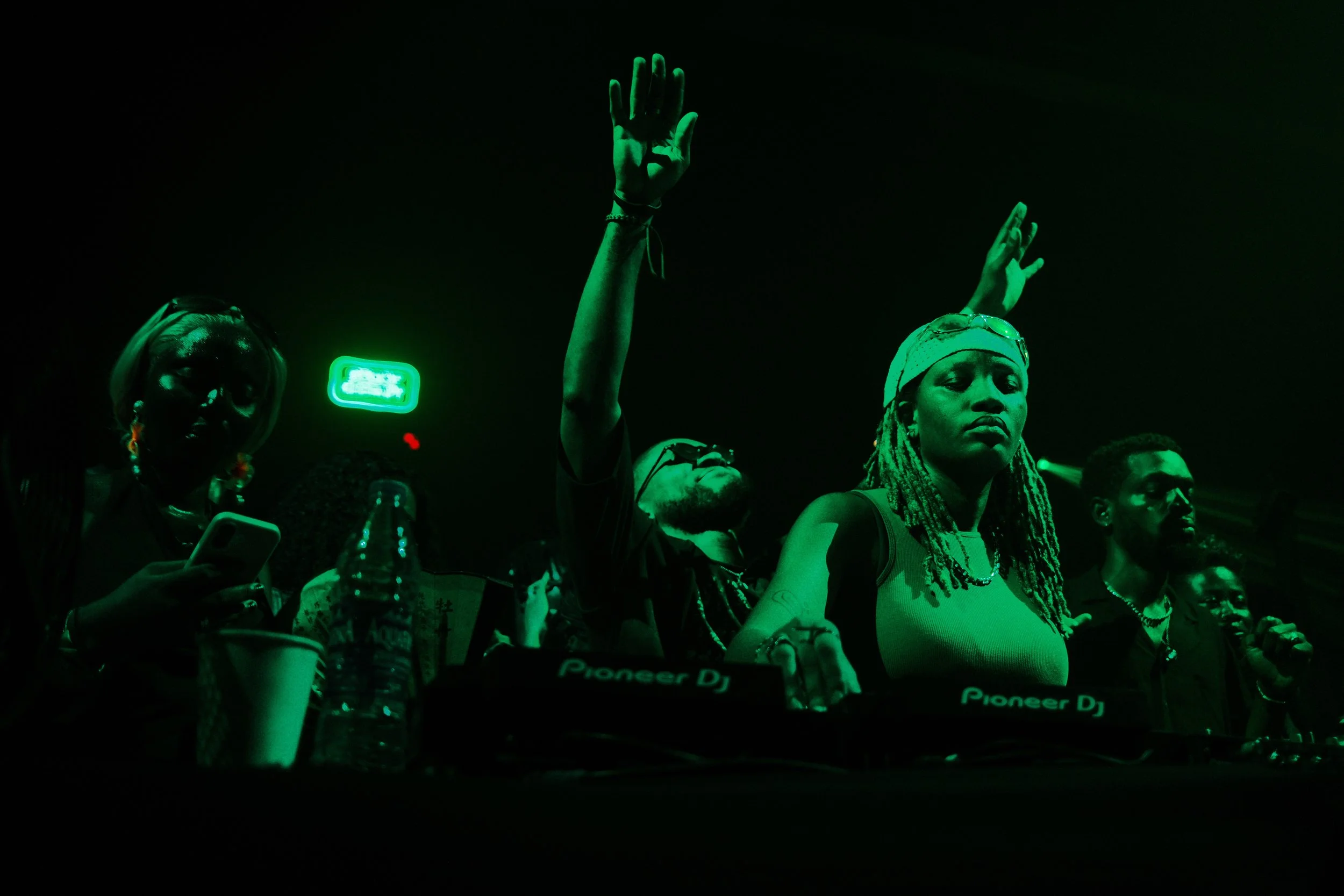
The DJ discusses the global rise of Nigerian house music, building community and Homecoming's HI-FI
Once confined to intimate potlucks at Tarkwa Bay, rooftop gatherings, and makeshift sound systems stretched across beachfronts, electronic dance music in Nigeria existed within small, self-contained communities. But in recent times, it has consolidated into a growing network of house-led events, cross-border collaborations and cultural exchanges that continue to extend the scene’s reach. DJs are now touring across the diaspora and, more importantly, being recognised within it. As the music travels, it’s also reshaping home, altering the spaces, audiences and conditions that first gave it form. Platforms like HI-FI – the electronic music event housed under Homecoming, Nigeria’s grandest cultural exchange festival – sit directly within this shift, bringing together artists and fans in ways that reflect the scene’s expanding scale and ambition.
Within this landscape, Aniko has emerged as one of its defining figures. Founder of Group Therapy, Nigeria’s foremost electronic music party series, she has helped shape how house music is experienced within and beyond Lagos, moving fluidly between genres while building a platform that reflects the breadth of the culture. And as Homecoming returns to Lagos this Easter for another year of dynamic programming, she’ll make her mark at HI-FI alongside DJ sets from Thakzin, Weareallchemicals and Lelowhatsgood. Here Aniko sets the scene.

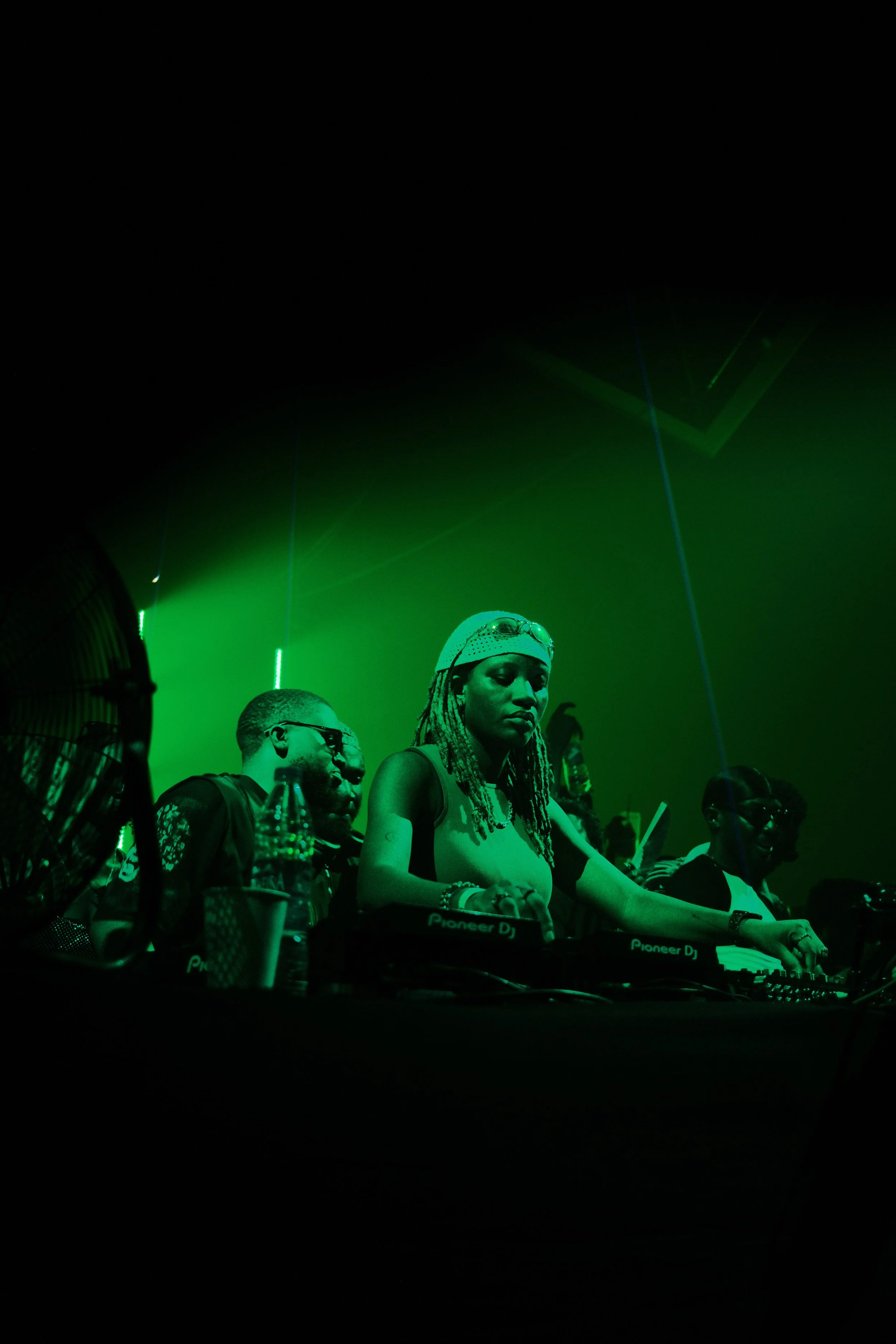
What has it felt like to witness Nigerian house music grow and blossom?
Aniko: It still feels surreal. It’s been humbling to watch something take shape from scratch and see what consistency can build over time. Back in the early days, there were only a few platforms curating house music, and they were largely centred around international DJs. It didn’t feel accessible, or like something local creatives could grow into. That’s what led many of us, myself included, to start building our own spaces, and over time, those spaces began to take on a life of their own.
Why do you think house music is starting to resonate with people differently?
Aniko: Because it has begun to adapt to Nigerian sounds. Anywhere you go, people connect more when they hear something familiar, just reimagined. It stopped being about international sounds and started reflecting us. We’ve moved from amapiano and afrobeats themed parties into something broader – afrohouse, deep house, techno, gqom – and with party goers gradually becoming more open to new sounds. There’s also the community. Being at a rave feels like you can exist without performing. It’s a more accessible form of nightlife; one that allows people to dress and move freely – particularly for women and queer communities.
Where do you think Group Therapy fits within that evolution?
Aniko: There was a clear shift once Group Therapy entered the scene [in summer 2023], particularly in how intentional things became. We introduced structure through consistent, bi-monthly sessions that allowed both DJs and audiences to grow within the culture. At the time, house music wasn’t taken seriously. DJing was seen as a hobby, with little focus on artist development or long-term growth. Starting Group Therapy came from a need to create something that could properly support talent. That thinking extended into what we built with 14 Labs, representing Nigerian house DJs like Dutty Yosa and Weareallchemicals. At the same time, Group Therapy extended into formats like SMWR, Klub Aniko and Side Quests, moving away from table culture toward something more collective.
“Homecoming has always created a space for cultural exchange and now what it’s making possible is visibility and context"
What does it mean to bring your version of house music to HI-FI?
Aniko: For me, it’s about presenting a fuller picture of what house music can be. It isn’t a monolith and HI-FI allow that range to come through, both in the curation and in the way sets are experienced. My approach has always been about blending different influences and HI-FI works because people come in open to that kind of immersion. It’s also about representation. It brings the diaspora and other creatives into direct contact with what’s happening locally, creating a real exchange. The scene is growing so being part of HI-FI feels like showing how far things have come, not just within Lagos, but in how we present ourselves within a global space.
What can we expect from your set at HI-FI this year?
Aniko: Honestly, I haven’t fully decided yet. What I tend to do is pay attention to my environment in the days leading up to it, the energy around me, the feelings that come up, and the sounds that keep repeating in my head. That becomes the foundation of the set. Like most of my sets, there’ll be an element of surprise, so come prepared to dance.
How do you see Nigerian house music positioning itself globally in 2026?
Aniko: We’re now within a wider ecosystem rather than on the margins of it. Dance music has always been international, so what we’re building here has to travel. International DJs are coming into Lagos, while our artists are moving outward. That positioning is also what makes it sustainable. The more we open up to global audiences and collaboration, the more the scene can exist beyond moments or trends.
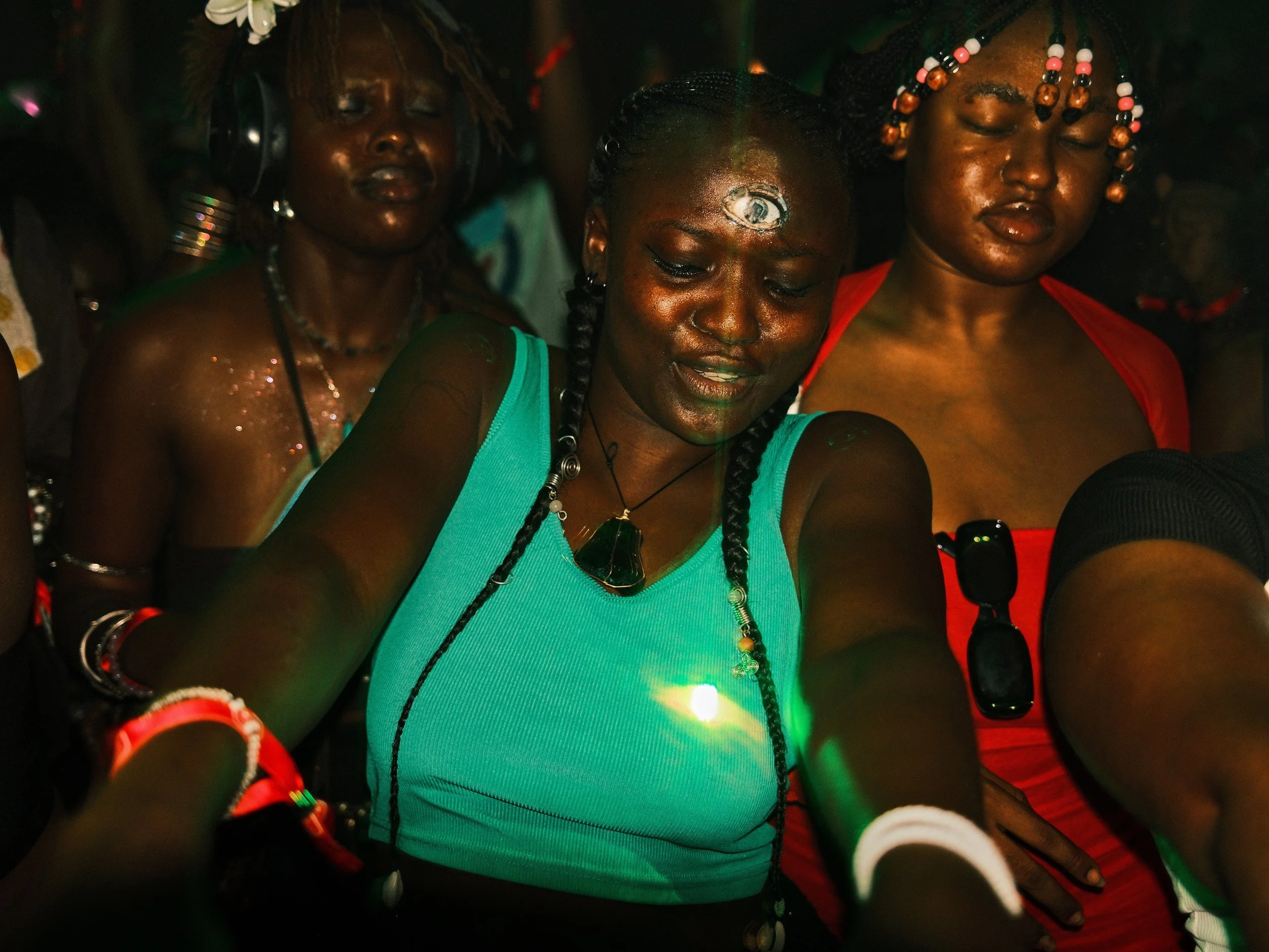
What do you think Homecoming is making possible for the scene now?
Aniko: Homecoming has always created a space for cultural exchange. It was one of the first platforms to connect what was happening in Nigeria to a wider audience and now what it’s making possible is visibility and context. They’re not just putting artists on stage, they’re creating environments where the culture can be understood more fully while setting the standard with workshops, panels and concept spaces that nurture talent. So, the fact that it consistently makes room for house music is important because it positions the sound within this broader conversation.
“Being at a Lagos rave feels like you can exist without performing"
What are some of the biggest challenges in building a house music ecosystem in Nigeria?
Aniko: Firstly, infrastructure. In Lagos, there aren’t many properly equipped venues, so you end up dry hiring everything, from sound to decks to basic things like fans & AC. It makes it expensive and it makes consistency difficult. Funding is also a major factor. For a long time, Group Therapy wasn’t profitable; in fact, we’ve only broken even once. But more recently we’ve started building smaller events and partnerships that can support the larger ones and that structure has begun to attract the confidence of investors. This also explains why touring has become more important to us. What we do outside feeds back into what we’re building at home. The scene might be growing, but we still need to build the systems around it – artist development, representation, collaborations and long-term support.
When you think about the future, what does a fully developed house music scene in Nigeria look like to you?
Aniko: For me, it’s a scene that’s connected, locally and globally. A Lagos where you can move through different spaces in one night, experiencing completely different sounds but still within the same culture. We’re beginning to see that already. A mature scene will also have moved past limitations – of sound, of audience, of what we consider “worthy.” Our indigenous sounds shouldn’t be treated as local or secondary. Beyond the parties, I want to see structure. Artist development, representation, systems that can sustain DJs long-term. The energy is there but ultimately what matters is longevity. Can the house we have built outlive us?
Visit Aniko
Visit Homecoming
Visit HI-FI
Words Oluwatoyosi Adebusuyi
Photography Tobi Oluwarotimi
Published on 02/04/2026