
State of Fashion 2026 goes beneath the veneer of the global fashion industry to rewire its entangled systems
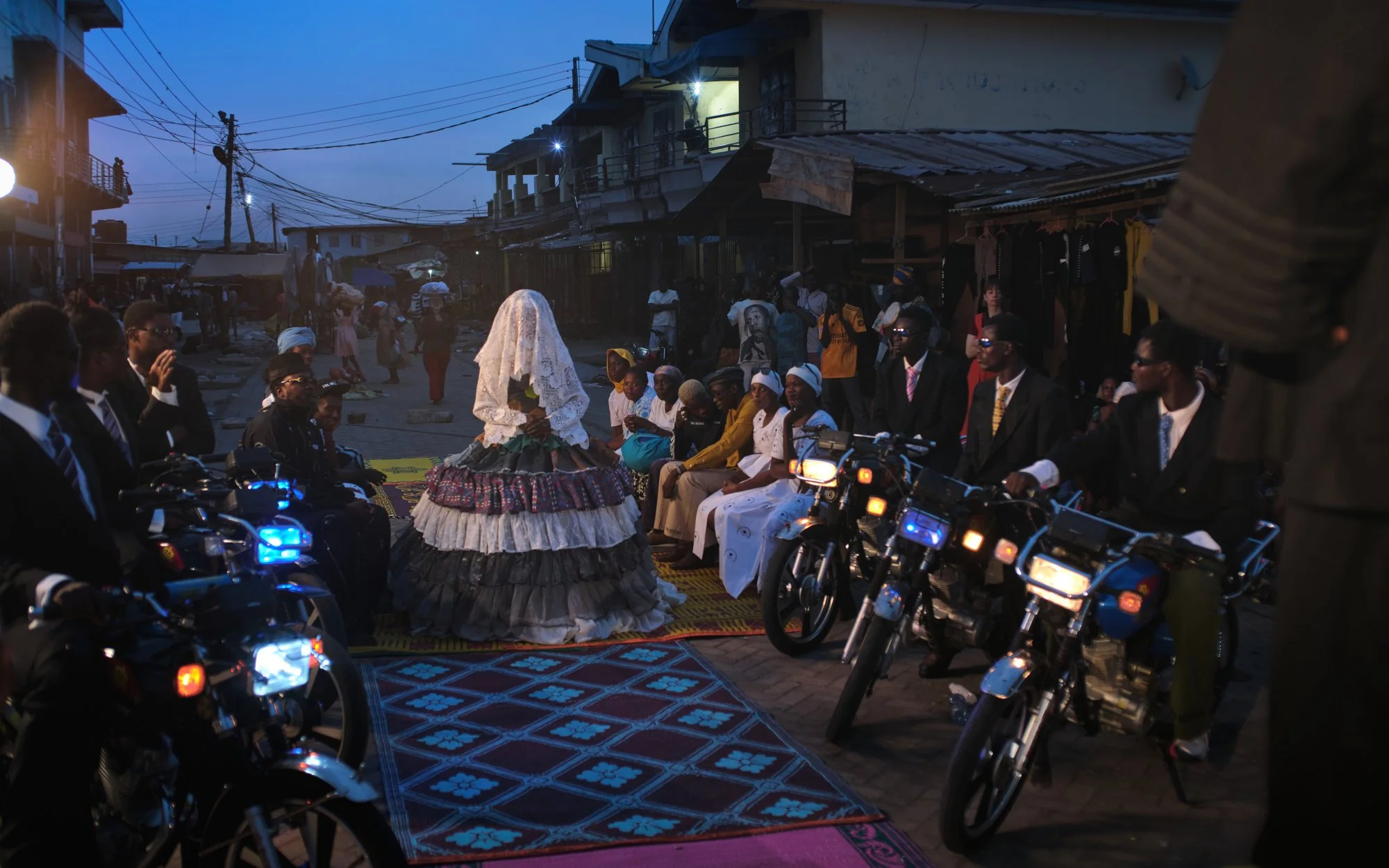
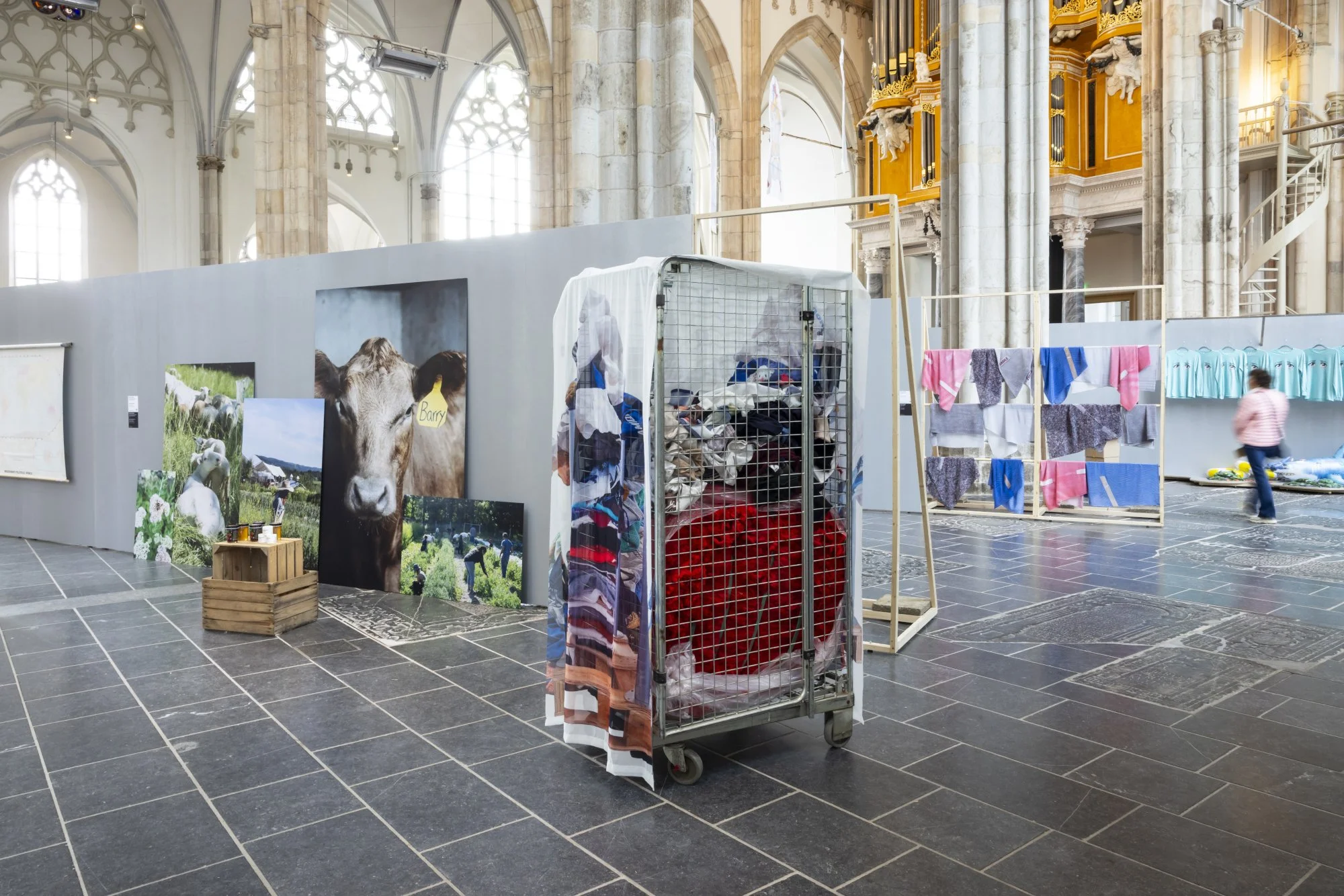
As you head into Arnhem’s Eusebius Church, a towering bride beckons you to the nave. This striking figure reaches up to the vaults, her head veiled, as her extravagant gown (an ingenious patchwork of table cloths, leathers and bedsheets) billows down upon a bed of clothing bales. Who is this mysterious beauty? Meet the embodiment of ‘Tl ni lahi me li’ (We make it again), The Revival’s ode to Kantamanto Market at State of Fashion 2026. Accompanied by a short film that presents Africa’s largest secondhand clothing market as a joyous and endlessly inventive space, we’re asked not to see it as the dumping ground for the world’s fashion overspill – 15 million items of which lands here each week – and instead as an resilient model for large-scale circularity.
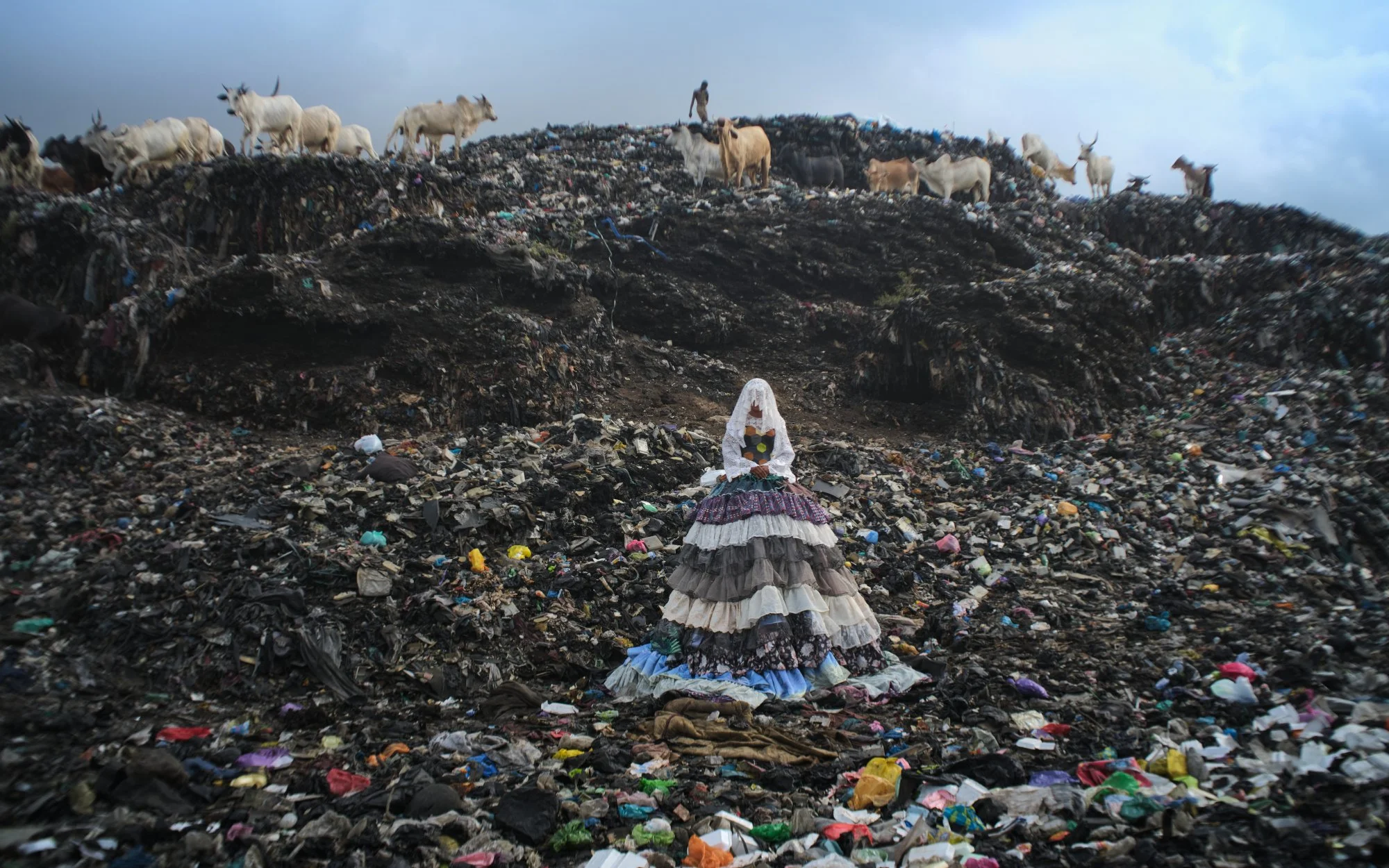
“In Ghana, young women migrate from rural areas to Accra to work as kayayos – head porters who move heavy loads throughout the market. In this way they are literally carrying the burden of the broken global fashion system,” explains The Revival’s Yayra Agbofah, whose initiative works alongside Kantamanto’s 30,000 traders (the majority of whom are women) to tackle textile waste through upcycling and education. “We wish to reposition our community as our heroes, as symbols of strength and ambition. Because beneath every load carried, a dream is carried too.”
One of three international research projects developed with State of Fashion 2026 (the other two interlocutors residing in Sri Lanka and China) and among 118 collaborations from 20 countries, this edition of the esteemed biennale continues to investigate alternative propositions for the global apparel sector. With its theme ‘Available to Promise: Hidden Systems, Shared Futures’, curators Anne Zhou, Anouchka van Driel and Shanu Walpita ask us to look beyond the glossy front put up by the industry to consider what it really takes to maintain the infrastructures, supply chains, resources and technologies that lie beneath.
“We’re mapping a complex, lived system that works through open questions and invites audiences into a layered encounter"
Anne Zhou, Anouchka van Driel & Shanu Walpita
“Fashion is in constant movement across borders, platforms, ecologies and bodies. So, what happens if we stop looking at the final product and start looking at the systems that hold it in place?,” the curators propose. These systems aren’t linear. They’re uneven, entangled and recurrent. Therefore, the biennale becomes an equally interwoven and exploratory journey through experimental, co-created works that dismantle and reimagine the values and desires that drive fashion. “At a time marked by geopolitical fractures and ongoing conflict, we recognise the urgency of creating spaces where multiple voices come together to foster deeper understanding ourselves and others, and open up pathways toward different futures,” they add.
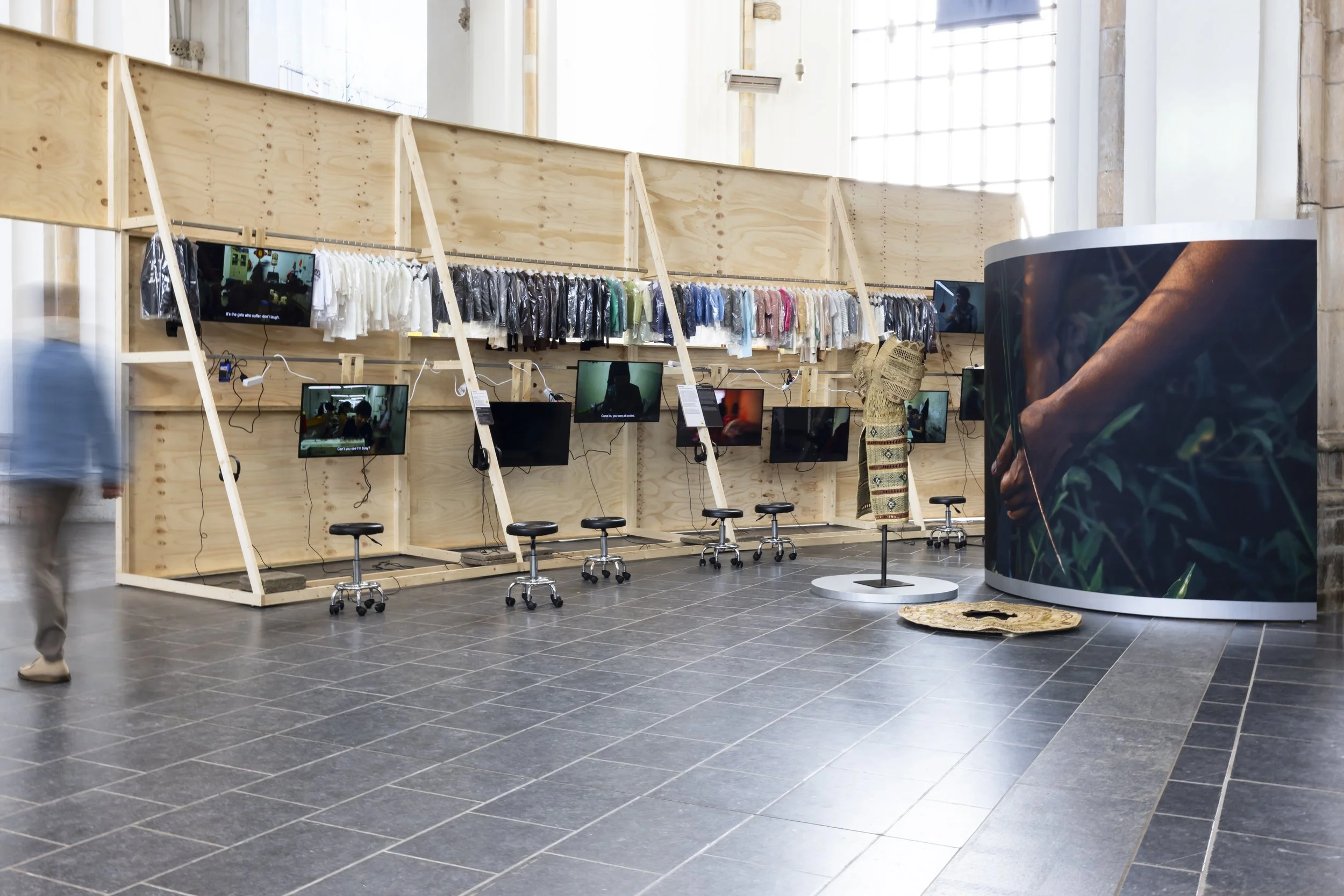
In sites cross the city, five thematic pillars – Develop, Distribute, Hype, Experience, Transform – reveal themselves through co-collaborations, experiences and interventions. We dive in with Wang Bing’s durational film ‘Youth (Spring)’ (2025), which speaks to Develop’s exploration of making – the human touch that can so quickly unravel from care to cruelty. The Chinese artist’s nine-hour, nine-channel work was shot over five years in a children’s clothing factory in Zhili, a town outside of Shanghai where young migrant workers live, love and toil.
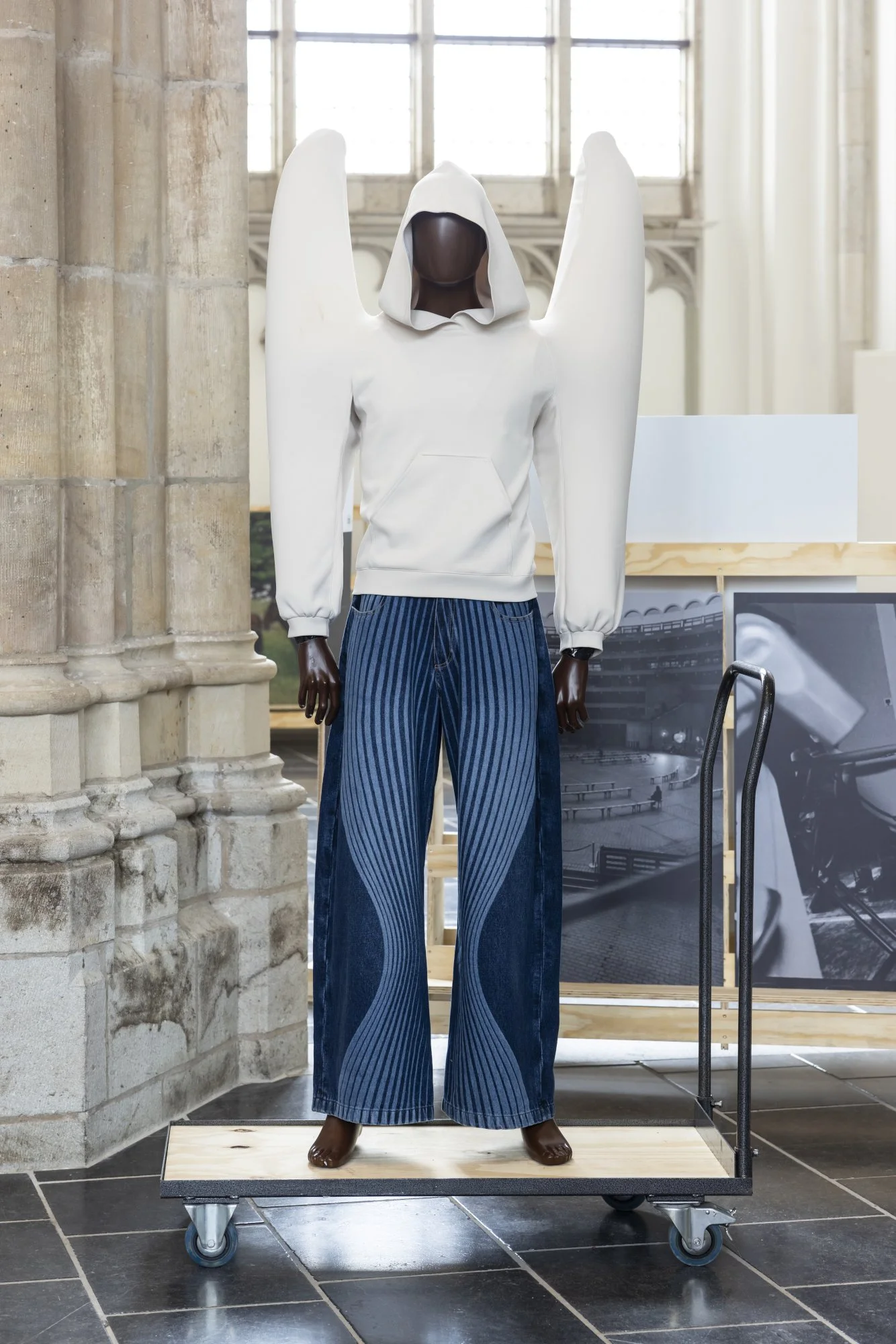
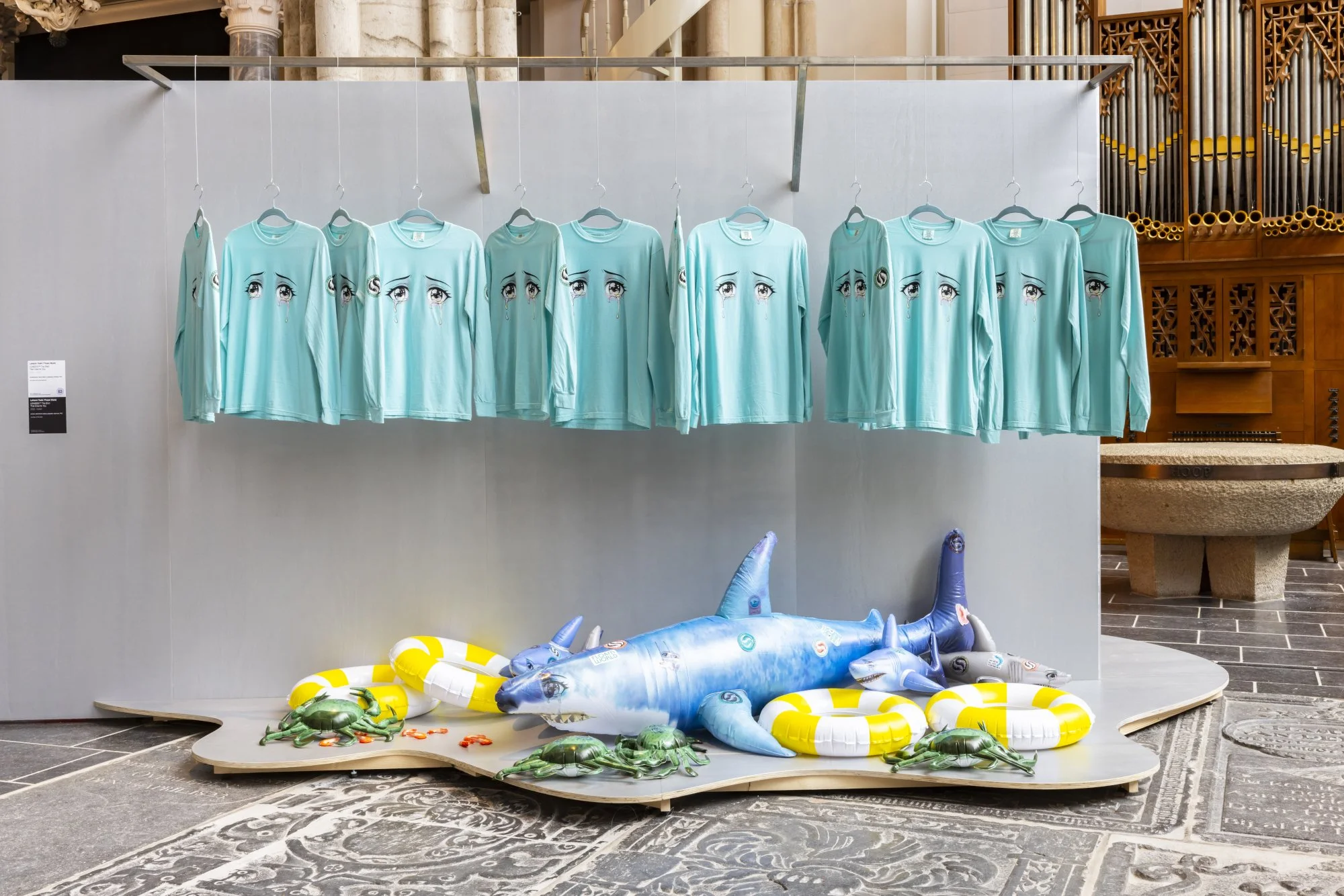
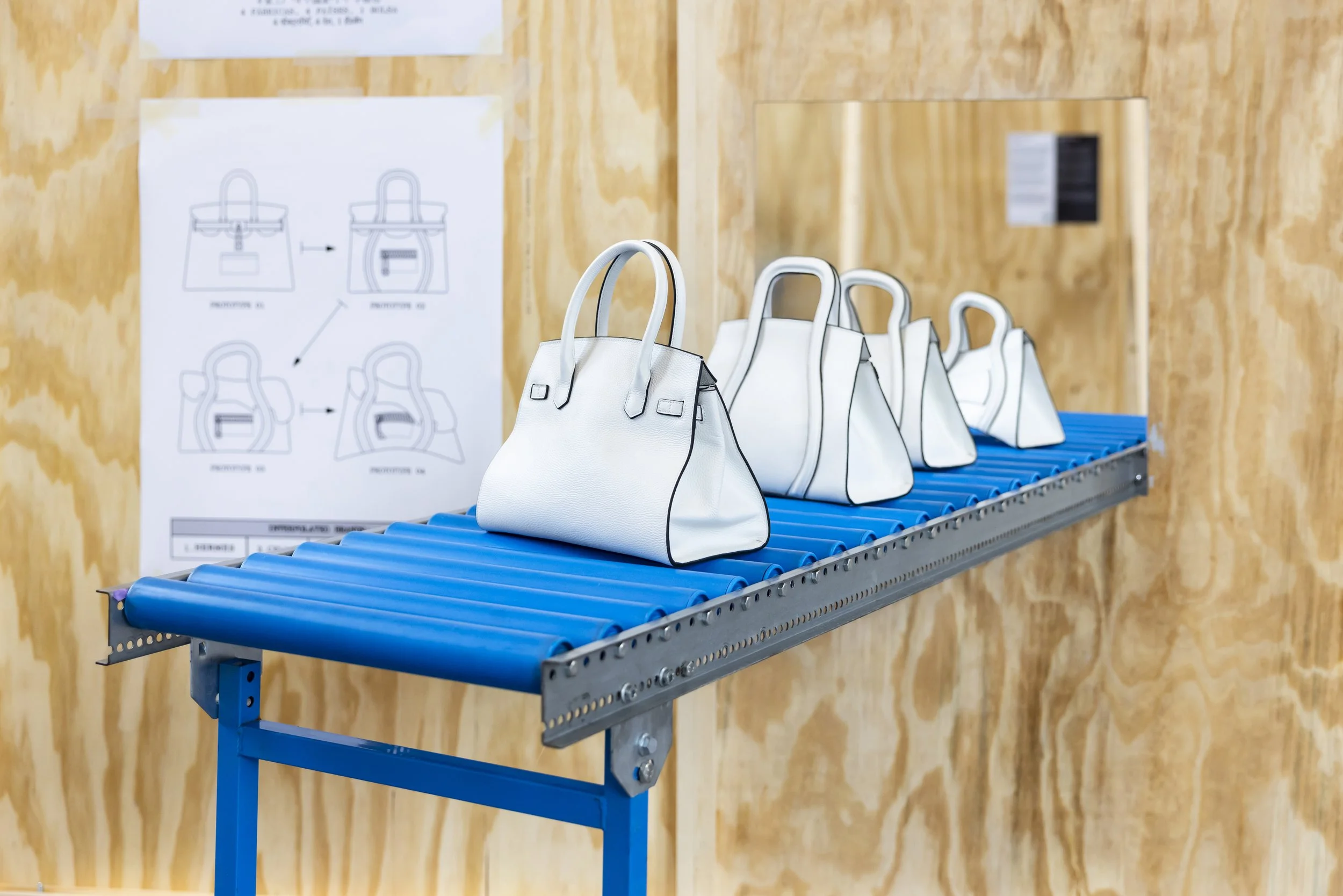
MSCHF’s ‘Global Supply Chain Telephone’ (2024) epotomises Distribute’s focus on the routes fashion moves through, from port to port via supply and insatiable demand. For this piece, the US collective commissioned a factory in Peru to create a knock-off Birkin bag, which they then sent to Portugal to mash up with a Celine, onto India with a Dior and finally China for a Balenciaga. The tongue-in-cheek results is a warped and wobbly response to fashion’s viral culture.
“Let’s see ourselves as changemakers who take care of this planet in our own small ways"
Yayra Agbofah
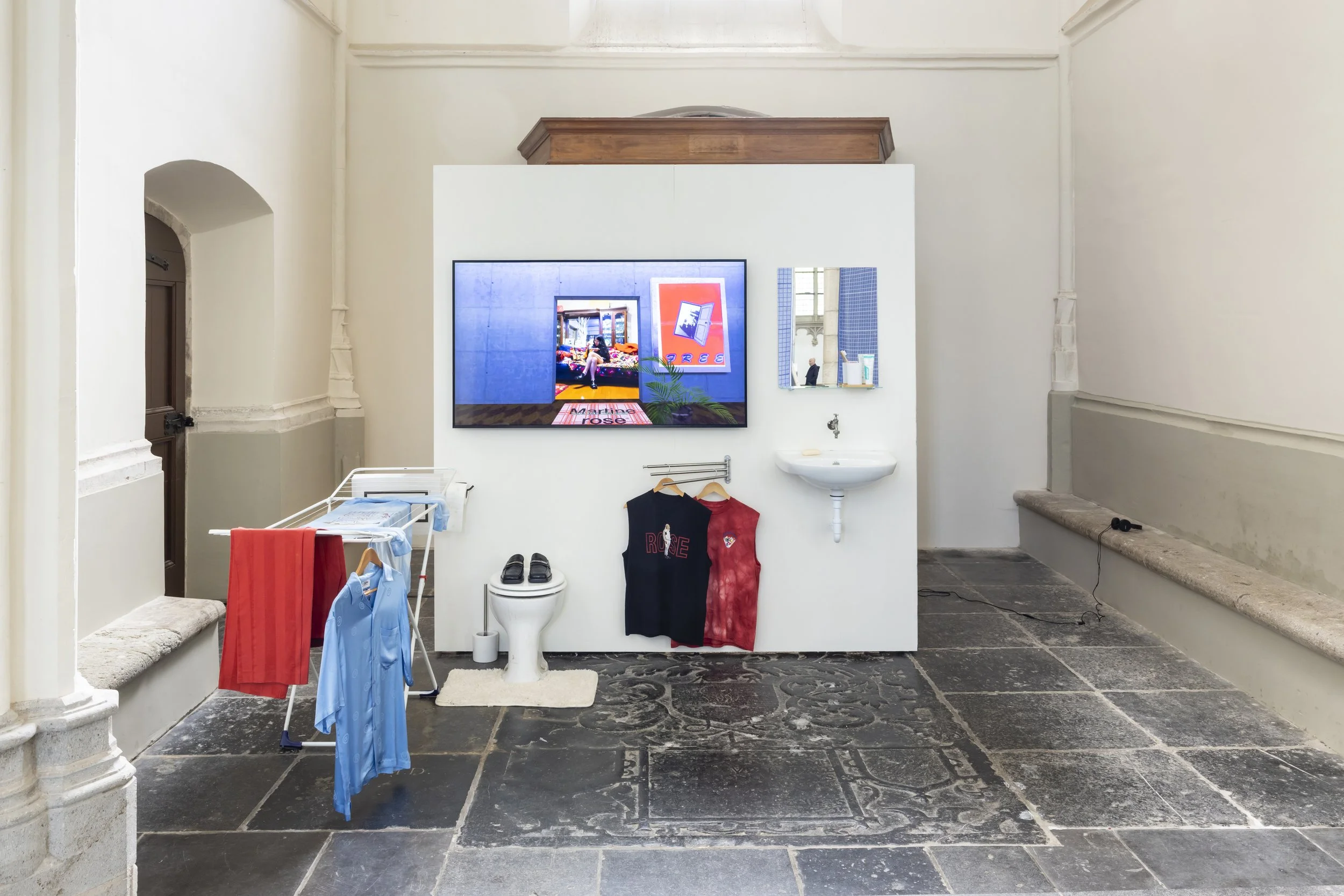
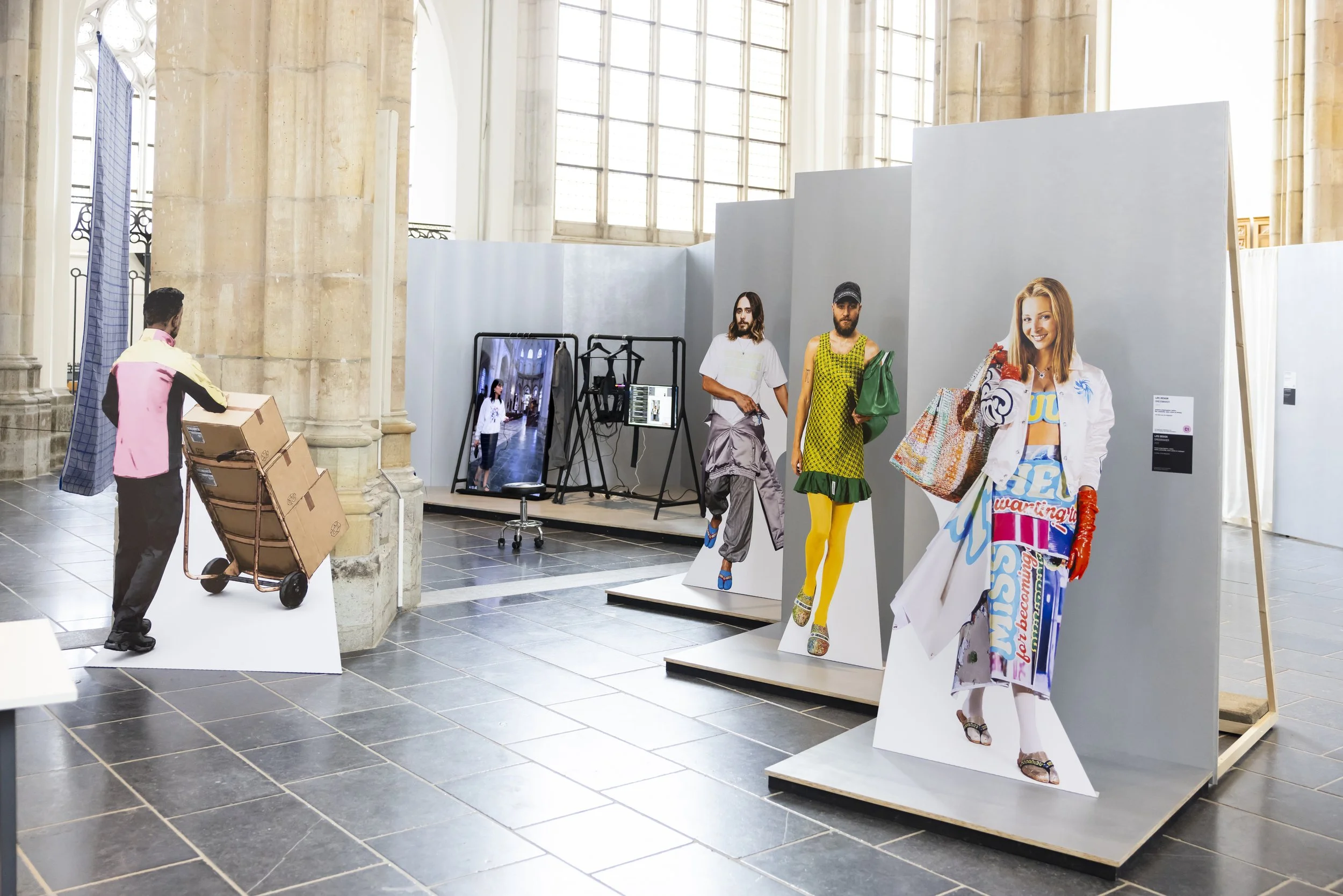
This work leads us to Hype. Media and marketing build the spectacle of fashion and fills our feeds with an aspirational and unquenchable thirst for more. Yet that desire can also be channelled into true belonging. Martine Rose has always leant into the latter as one of the most sought-after tastemakers in menswear who side-steps the noise to nurture her community. During lockdown, she collaborated with design studio International Magic (who also created this biennale’s visual identity) on ‘What We Do All Day’, her real-time digital fashion show for SS21. In it, a diverse cast of characters around the globe go about their daily isolation in the most mundane and magical ways. The curators comment: “It offers a case study of sophisticated world-building and remains a celebration of what makes us all the same.”
He Jing’s ‘Livestreaming – Rest’ (2026) keeps us in a virtual hinterland by playing with the growing trend for AI-generated livestreaming hosts in China. Based on a 2018 work the artist made with living breathing host Qiong Ye Chuan Zi, this new commission transports her AI persona to Arnhem where instead of frenetically promoting products, she takes time for relaxation. This not only signals a refusal of substitution but a break from the relentless data stream of e-commerce. “This technology is replacing human labour. But in my experiment, the host is doing everything besides work. She’s taking a nap, she’s resting, and that’s the anthesis of hype,” Jing explains.
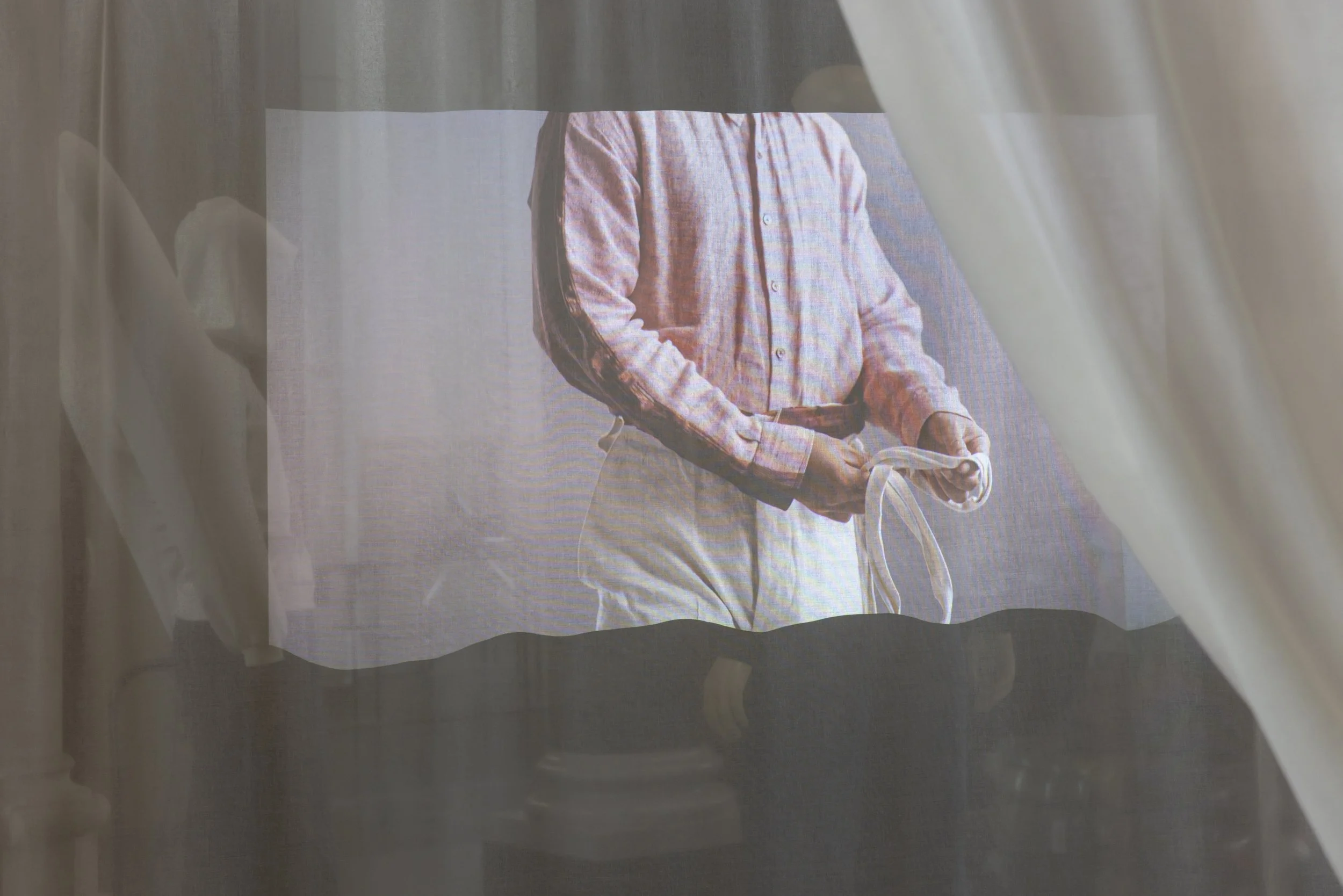
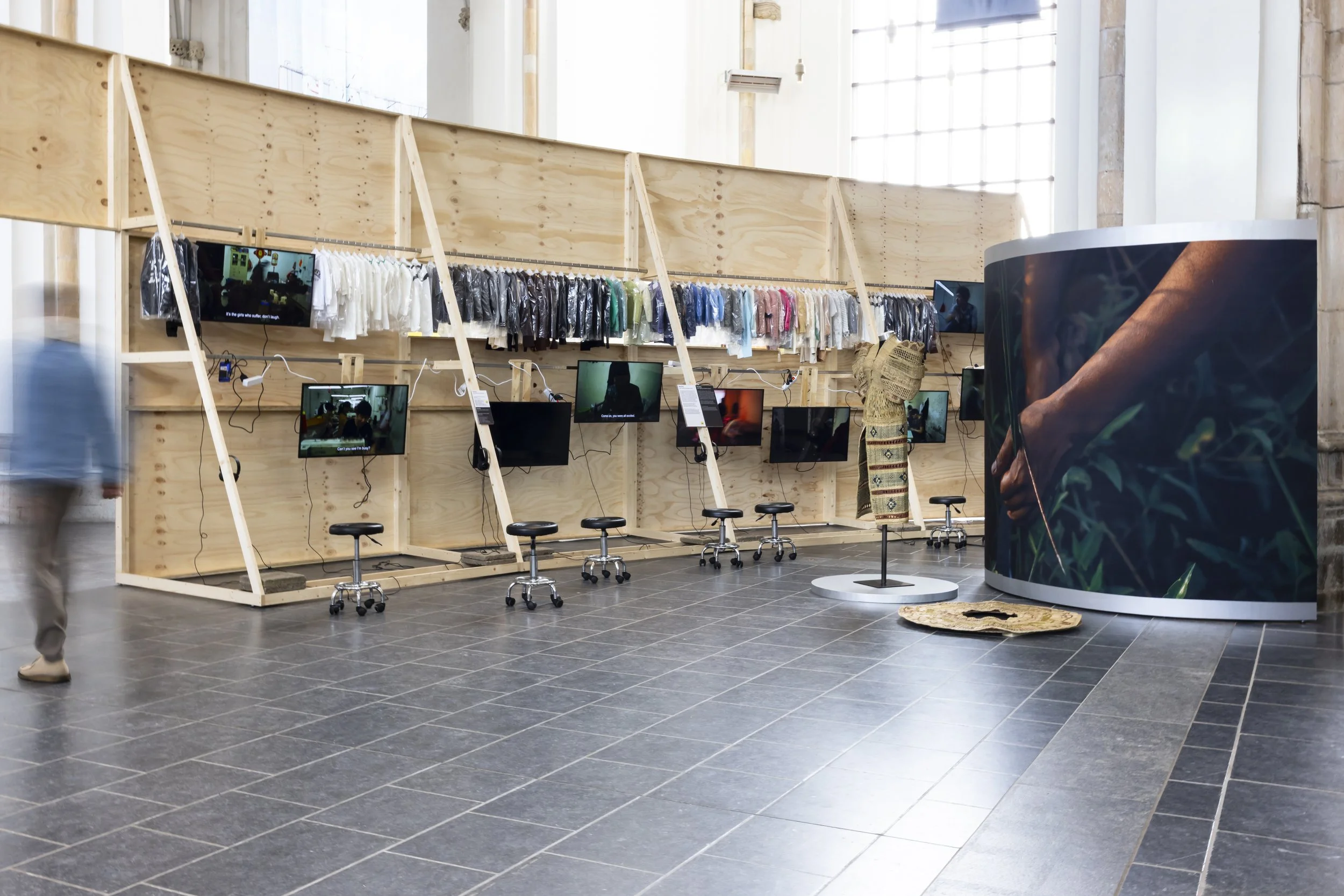
By contrast, ‘When the Body Arrives’ (2026) by Daniel Caulfield-Sriklad reminds us of the visceral interrelationship between body and garment. Sitting within the Experience pillar unleashing the stories held and felt in clothing, the Thai-Irish artist’s installation slows us down to appreciate the intimacy of adorning oneself. “I call it an embodied encounter because I’m trying to create a meditative and comforting piece,” Caulfield-Sriklad says. “We’re often stuck in thinking fashion, rather than feeling it, so this simply asks you to experience the sensual pleasure of dressing and undressing the body. I see it as an iterative process of belonging.”
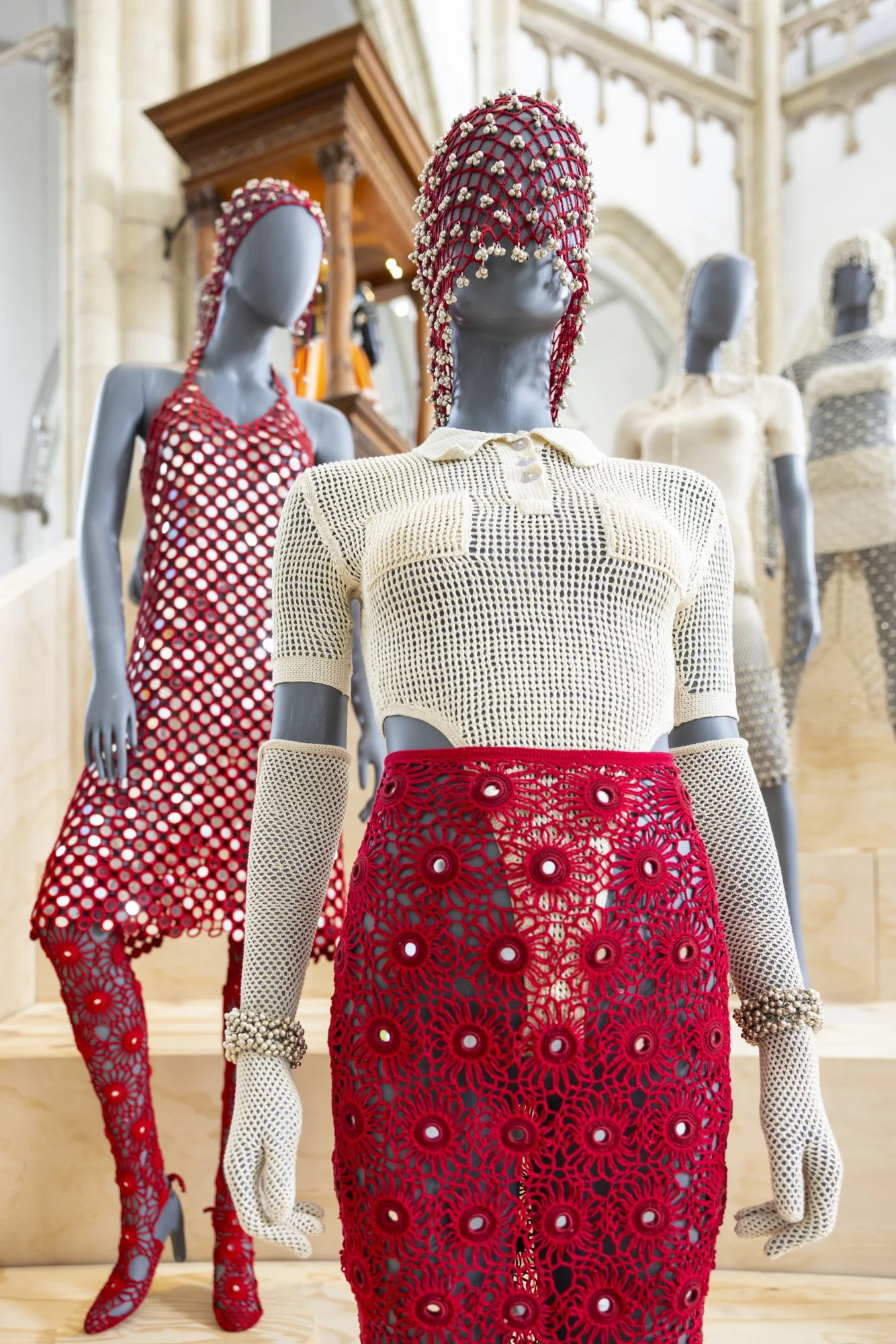
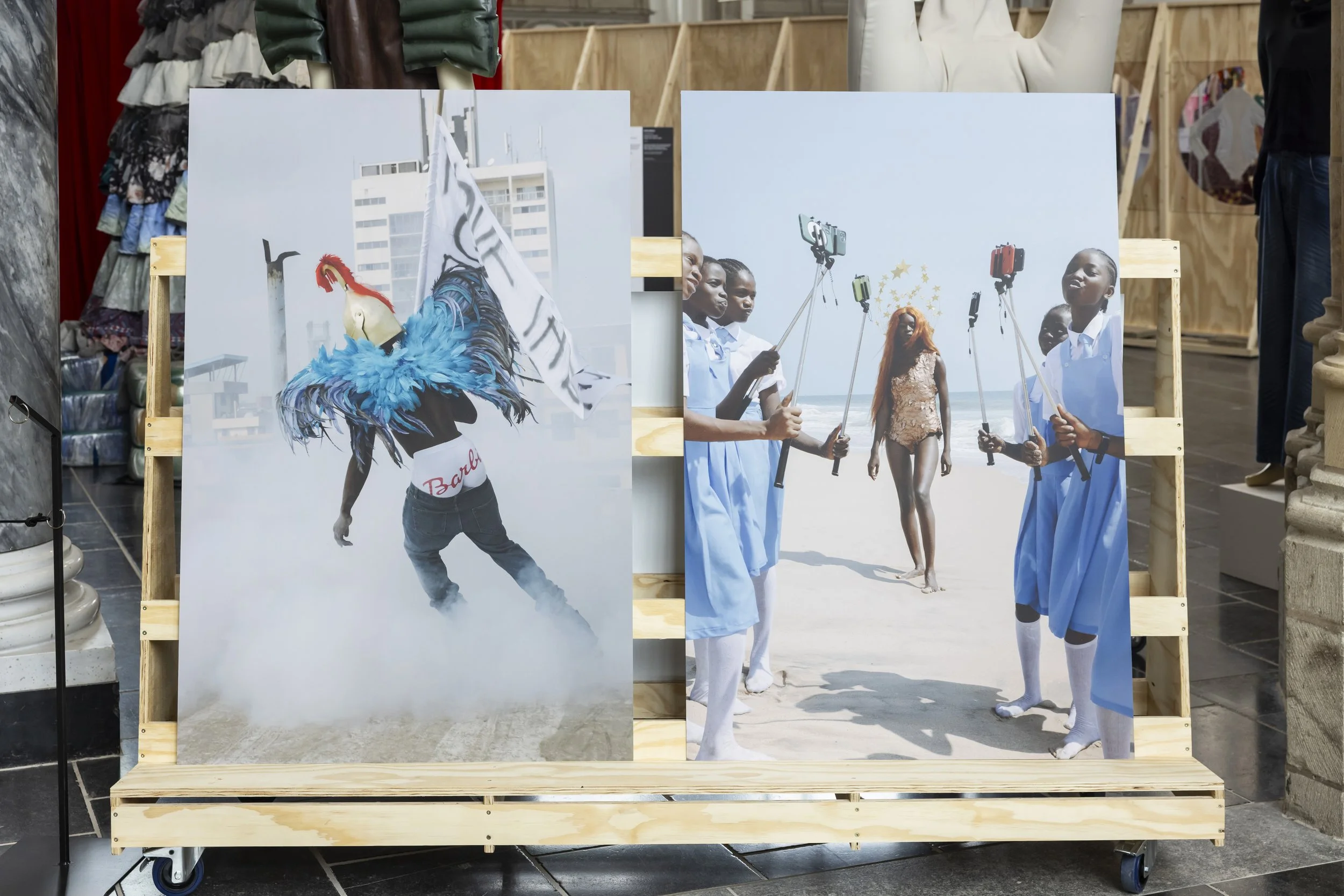
Similarly emotive notes chime within Yoshita 1967’s ‘Temple Road’ (2025) collection. NATAAL favourite and LVMH Prize nominee Anil Padia explores the myths and rituals of his Indo-Kenyan heritage through the handcrafted works of his team of crochet artisans in Nairobi. Each miniature bell, mirror motif and woven thread that make up the designer’s body-loving pieces expresses the time and care he pours into his enriching craft. Meanwhile fellow NATAAL collaborator Daniel Obasi lifts the seal on a wild ride through Lagos in ‘Beautiful Resistance’ (2022). This fantastical photographical series is steeped in the daring extravagance of Nigeria’s queer community while tackling the political corruption and oppressive social structures that bare down upon the country’s youth.
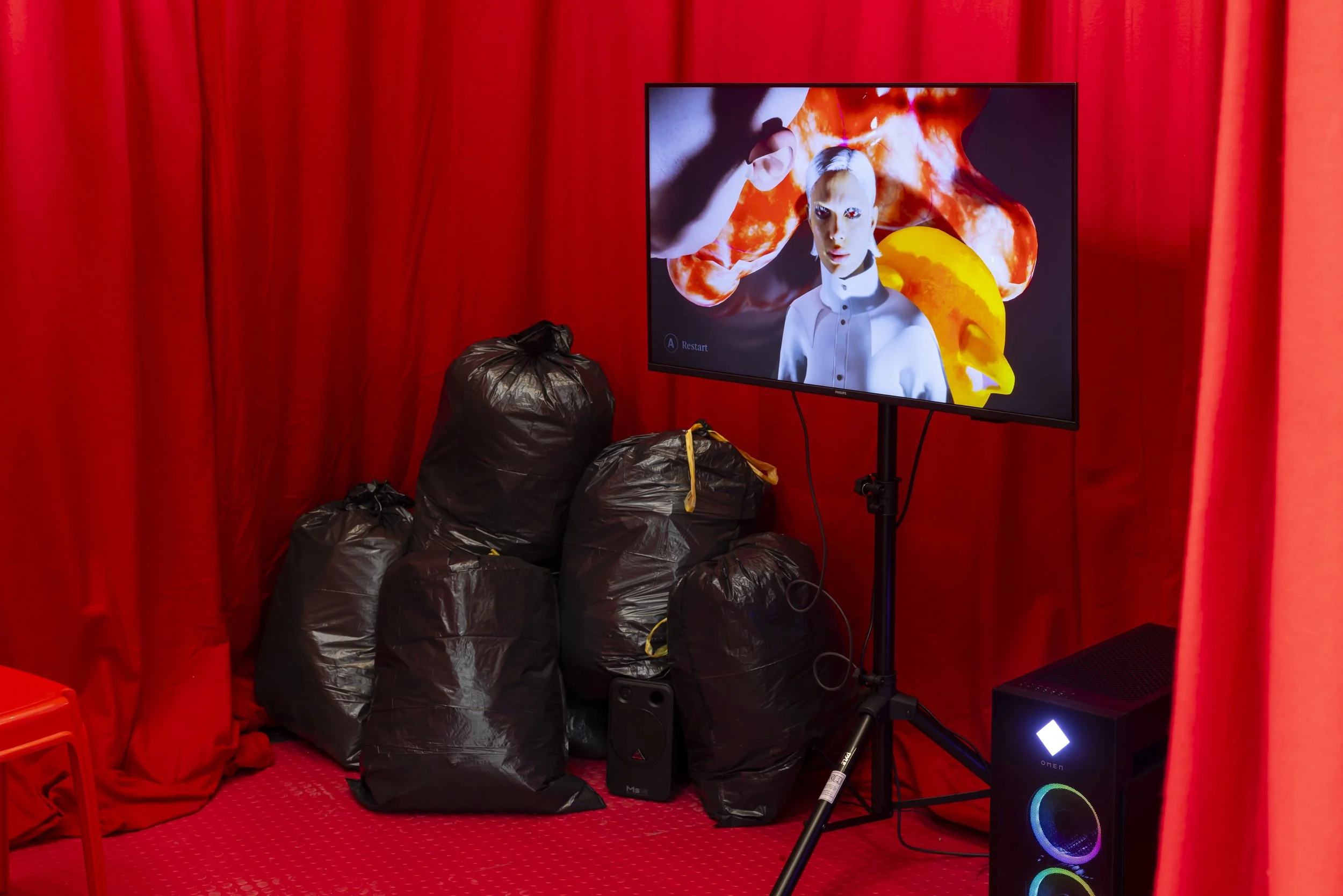
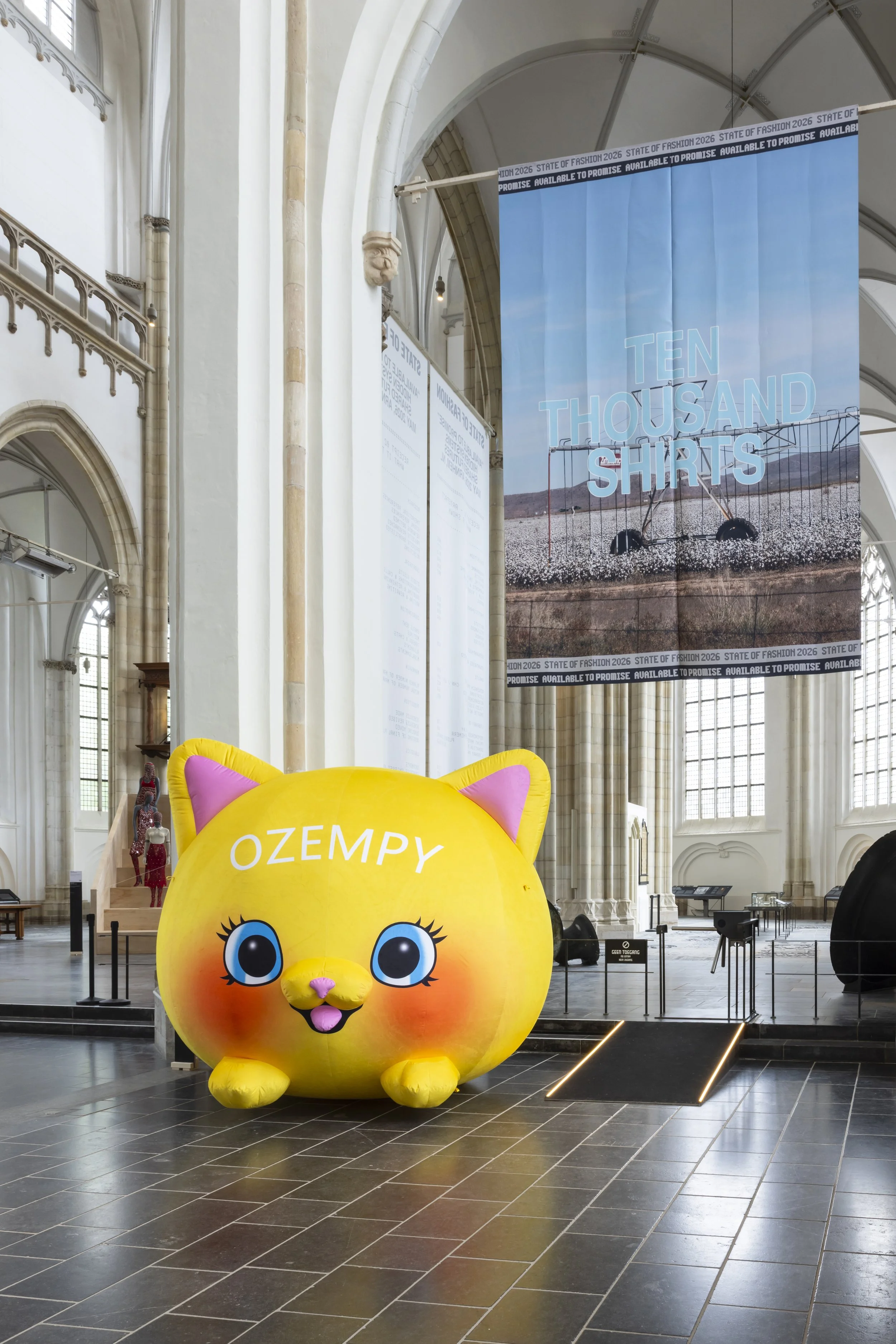
Finally Transform takes us to the far reaches of speculative practice to discover new constellations of revolution and repair. And that lands us in ‘Jankspace: Residues of the Stack’, a third-person, open-world game by Daniel Felstead and Jenn Leung. Our provocation is to navigate the disconnect between big tech, the influencer-fuelled glamour of fashion and “the janky-ass reality”, trudging through trippy “AI slop” and meeting everyone’s favourite slimming pal, Ozempy, along the way. Neither delivering us to a dystopia nor a nirvana, we’re trapped in a modern purgatory where the algorithmic is forever out to get us.
Back in the ‘real’ world, where the price tag on a garment rarely relates to its true cost, and those who benefit most are far from those whose labour and lands birthed it, ‘Available to Promise’ doesn’t pretend to give us all the answers. Instead, it provokes thought, raises spirits and opens up pathways to redemption. “I see the optimism and entrepreneurship of the youth every day, so I do still have hope,” reflects Agbofah. “What we’re doing here in Arnhem is a call to action. Let’s see ourselves as changemakers who take care of this planet in our own small ways. If we are conscious, responsible and collective, then that creates a ripple effect to where this world can become a better place for future generations.”
Visit State of Fashion
Words Helen Jennings
Exhibition photography Eva Broekema
Published on 11/06/2026