
Ahead of her Cross the Tracks 2026 show, Bel Cobain opens up about letting go
Bel Cobain’s happy place is being in the wilderness, feeding the birds. While her song-writing often stems from the personal and societal traumas of city life, her music finds flight by channelling the spiritual forces found in nature. “Don’t ask me about London’s nightlife. You’ll find me in the park,” the Hackney native says with a smile.
Cobain has been quietly dazzling us with her meditative sounds since 2018’s woozy debut single ‘Mint’. Dropping more folksy gems such as ‘Introverted Stoner’ and ‘At the Bay’ along the way, she now offers up ‘Kizzy’, her most raw and revelatory work to date. The EP’s six songs travel through loss, loneliness and letting go, from anger to nihilistic acceptance and finally delivering us into a freeing, psychedelic bliss. “‘Kizzy’ marks a point of humility in my journey,” she says. “I’ve learnt the beauty of boundaries and the boundless, and I’m ready to see what these lessons bring.” As Cobain prepares to unleash this new music onto the green fields of South London for Cross The Tracks 2026 – the stalwart festival for jazz, funk, soul and sunshine – we took a moment to dig into thick of it.
NATAAL: What was your road into music?
BEL COBAIN: It wasn’t always my path. I studied animal management and horticulture, which was grounding and much needed. And then I started to make music in a little jazzy band. But it’s only been recently that I’m starting to be like, okay, I’ve had headline shows, I’ve played Glastonbury, I’ve got a vinyl record… maybe I’m a musician.
N: Congratulations for signing to Giles Peterson’s Brownswood Recordings. That’s awesome.
B: Yeah, thanks. Giles has often played my music and over time, we just collided. It’s been good. The label is a real tastemaker.
“I’ve been playing shows with a full band and the songs are sounding big and juicy and proper"
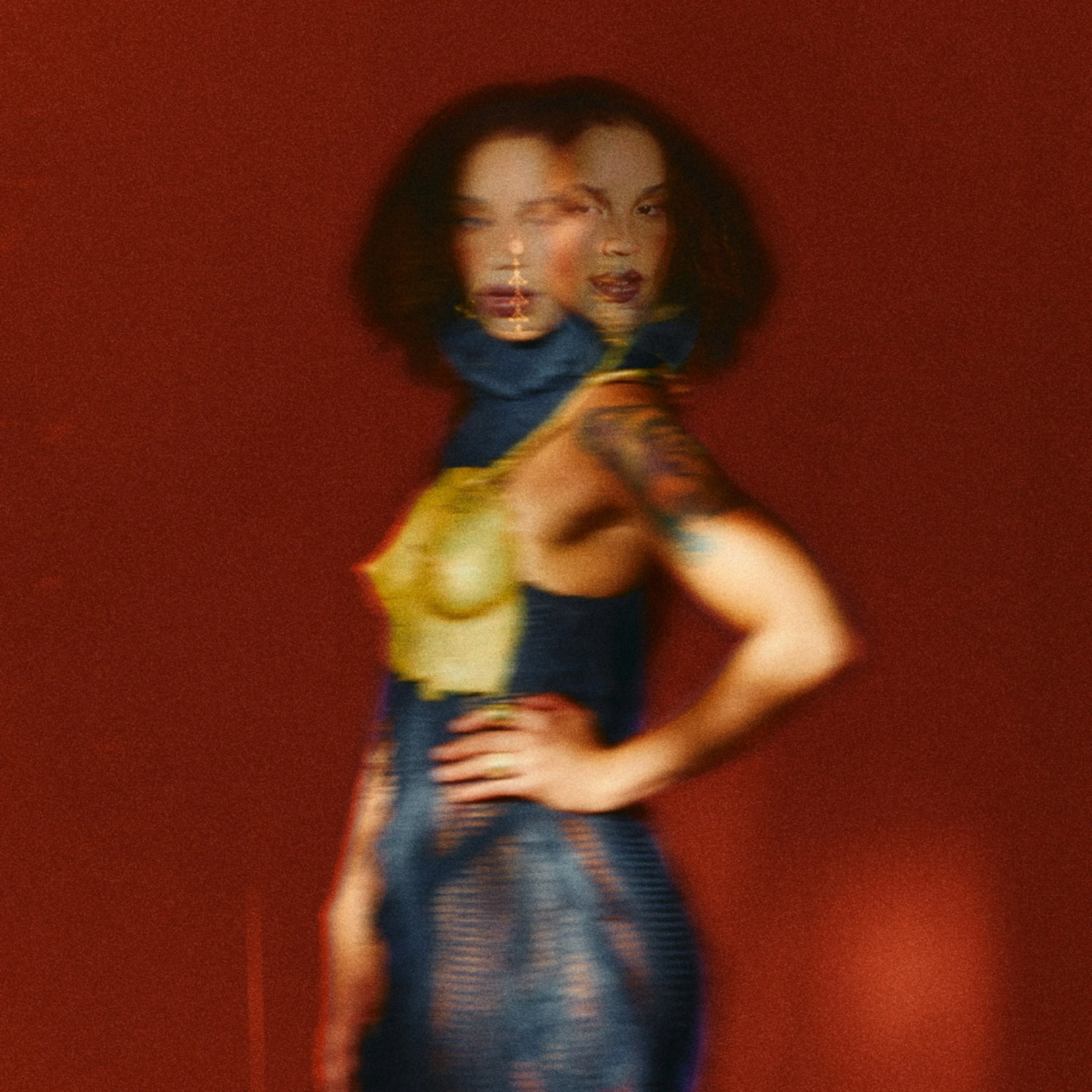
N: Let's talk ‘Kizzy’ – what an incredible and yet trippy cover. Tell us more.
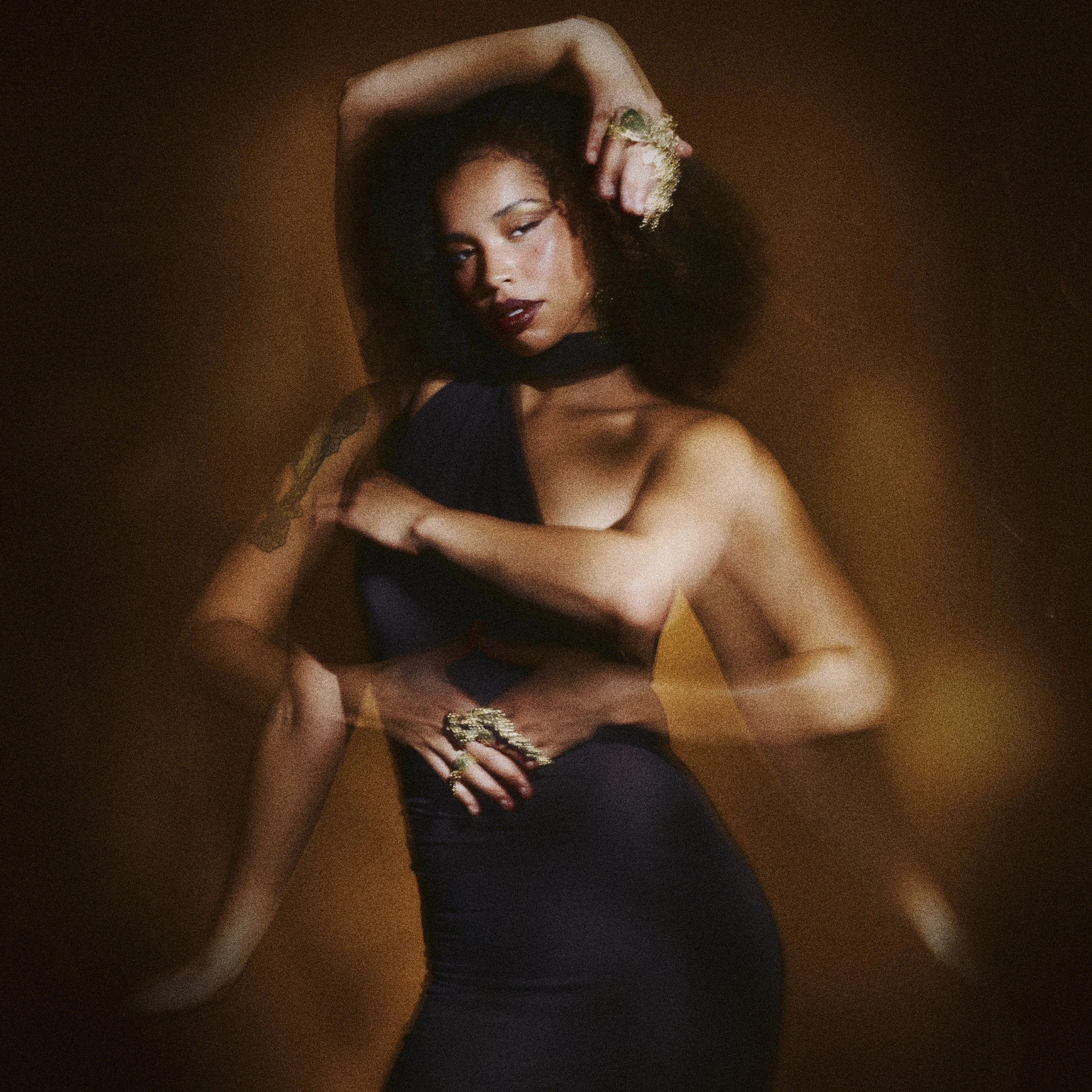
B: I’ve never wanted my face on artwork before. But this time it felt right to have something abstract that also reflects the music. All the photos were taken in the same moment on a slow shutter speed so it looks fucked up, but pretty as well. And that’s what ‘Kizzy’ is giving.
N: How did the music first take shape?
B: I just write as I go along so this music spans four years of my life. And then when I started to sequence it, the story that I wanted to follow is the stages of grief. Every song really has a massive part of me in it.
N: What was happening in the rooms when you were recording?
B: Each session was different but I was mainly locking it in with [musician and producer] Fred Cox who just has a way of holding space. He knew how to support me in a way that let me create my own revelations and find a vulnerability to write some of the hardest songs in the project. So yeah, Fred was a G. I also worked with Duke who are these brilliant musical nerds.
N: What revelations and reflections have landed in the songs?
B: The first track ‘Hard to Leave’ is about this reluctance to change while also starting to comment on the more intricate themes that are peppered throughout. I’m talking about interrelationships – between man and woman, mother and son, and woman to woman. And I’m commenting on our society and patriarchy and where the matriarchy falls within it. Then as the songs go on, the truth of the philosophy of change sinks in. it’s like, okay, shit’s done. This is a new chapter. By the end, it resolves with ‘Mind Is A Dancer’, which is my personal fave because it’s where I want my next body of work to move to. I want to feel less analytical and in the details, and be more expansive and connected.
N: It's a very open and honest work, which is the hardest place to be.
B: I agree. Especially because when you make music and you share it, it stays with you forever. But the more you just do it, the braver and stronger you become.
N: Was releasing the work a cathartic experience?
B: Definitely. And when I perform the songs and I see other people reacting and taking it, that feels like a transmutation of energy as well. I’ve been playing shows with a full band – guitar, drums, bass and horn – and the songs are sounding big and juicy and proper.
N: You have a summer of festival performances ahead. Are you a festival veteran?
B: I wouldn’t say I was a veteran but I go to them every year. I’m not after bougie-ness though. I prefer the little countryside festivals where there’s just some weird little bands with a banjo and a harmonica. That's the ideal.
N: What can we expect from your set at Cross the Tracks 2026?
B: I'm going to play some classics, and some new stuff off the new project. And I’ll sneak a little cover in there, too.
N: Are you telling what it’ll be?
B: Nope!
N: Fair. And in the autumn you head out on a full European tour. What are your survival mechanisms for when you’re on the road?
B: It's nicely planned so I'll have some breaks of sanity. I guess it’s about not getting fucked up every night and just enjoying myself. Performing on stage is a lot of energy. You get a lot of energy. You give a lot of energy. So afterwards I always feel a bit magical.
Bel Cobain plays Cross The Tracks 2026 atBrockwell Park, London on Sunday 24 May. Find out more here.
‘Kizzy’ is out now on Brownswood Recordings.