
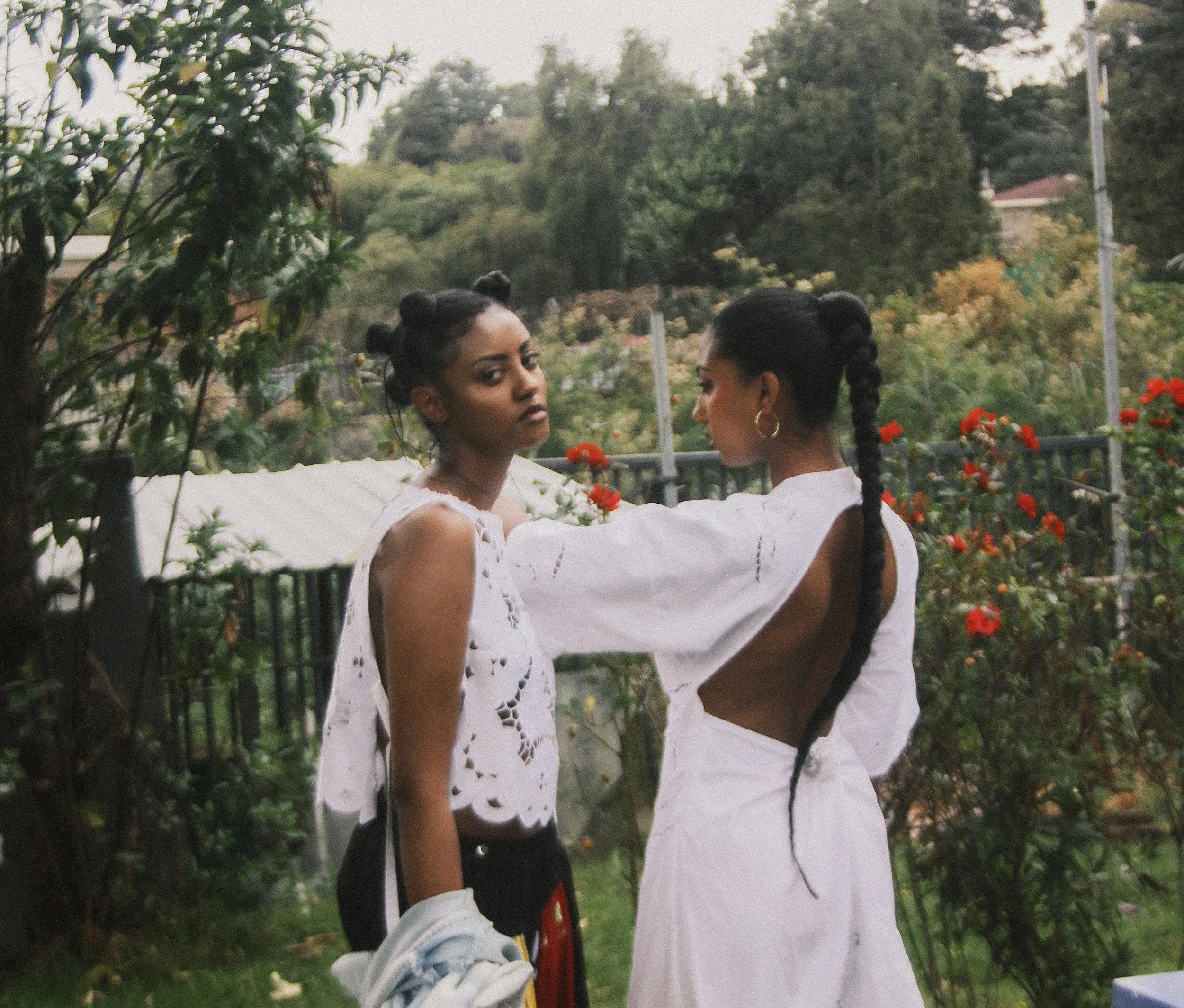
Nataal joins Creative DNA for week of wonder and learning in Addis Ababa
“Before coming to Ethiopia, I thought of it as the land of origins. So, I knew we would dive into the past,” reflects Renata Brenha. “But what I’ve discovered is that Addis Ababa is also informing the future.” Nataal has joined this designer for the British Council’s Creative DNA Ethiopia Residency alongside her fellow London-based cohorts Karoline Vitto and Yaku Stapleton, Nairobi’s Bettydora Odhiambo, Harare’s Chido Kaseke and local Solome Asfaw. And what these sustainable fashion advocates have appreciated most about their week-long immersion into the city’s creative scene is the joy gained from cross cultural togetherness.
This first part of the 2026 CDNA programme kicks off a year-long exchange between the British Council, Paul Smith’s Foundation and workspace provider Projekt. What started out in 2020 as an East Africa Arts’ fashion incubator for Kenya has since expanded across Sub-Saharan Africa and the UK and this year’s edition is shaping up to be its most ambitious yet. Our touchdown in Addis Ababa is expertly delivered in partnership with Markos Lemma and his team at IceAddis, who lead us through studio visits, workshops and conversations fostering shared dialogue and learning. With days spent exploring and making, and evenings filled with Ethio-jazz and hearty beyaynetu platters, we are nourished from head to soul.
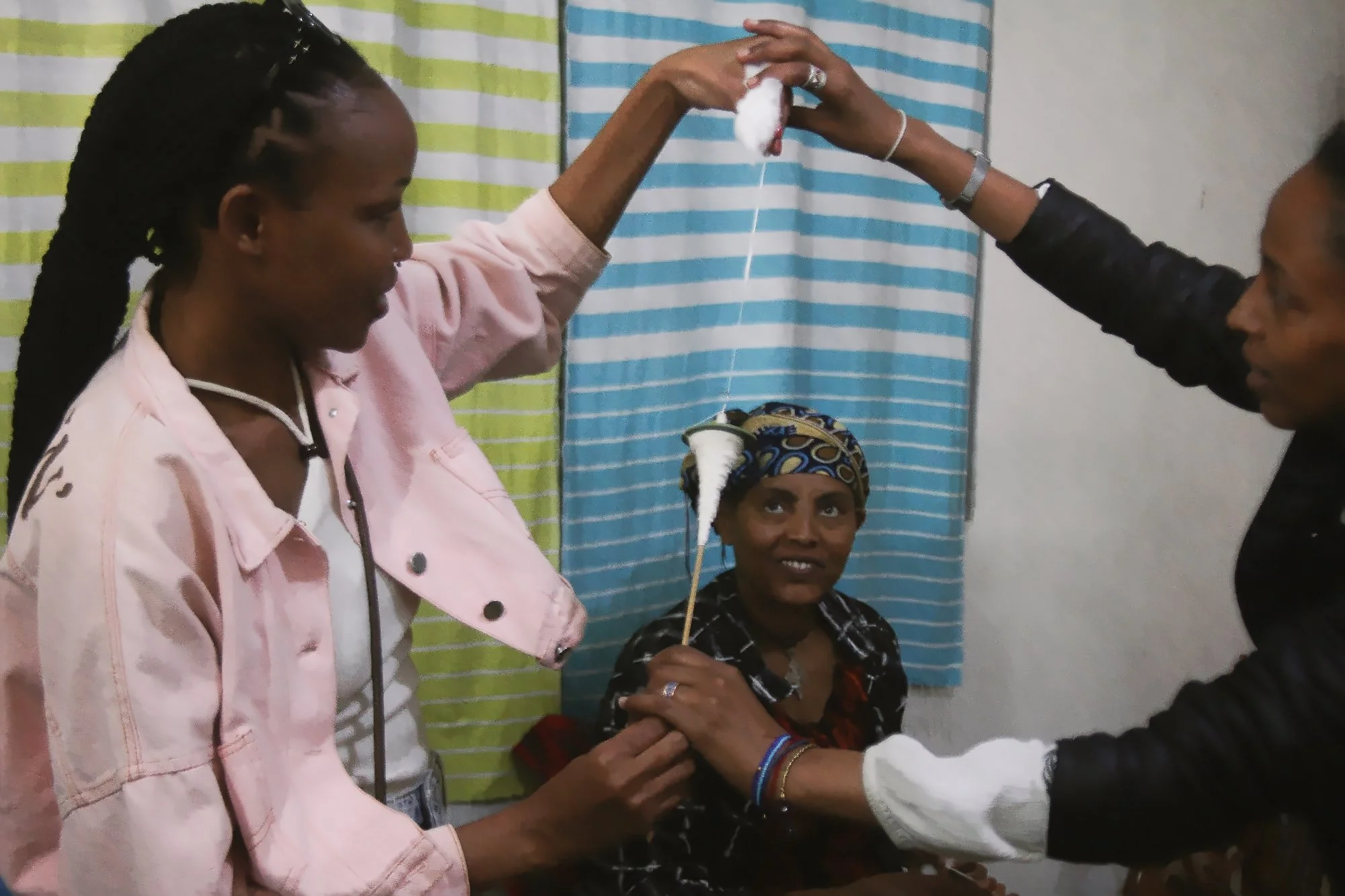
Bettydora Odhiambo at Sabahar
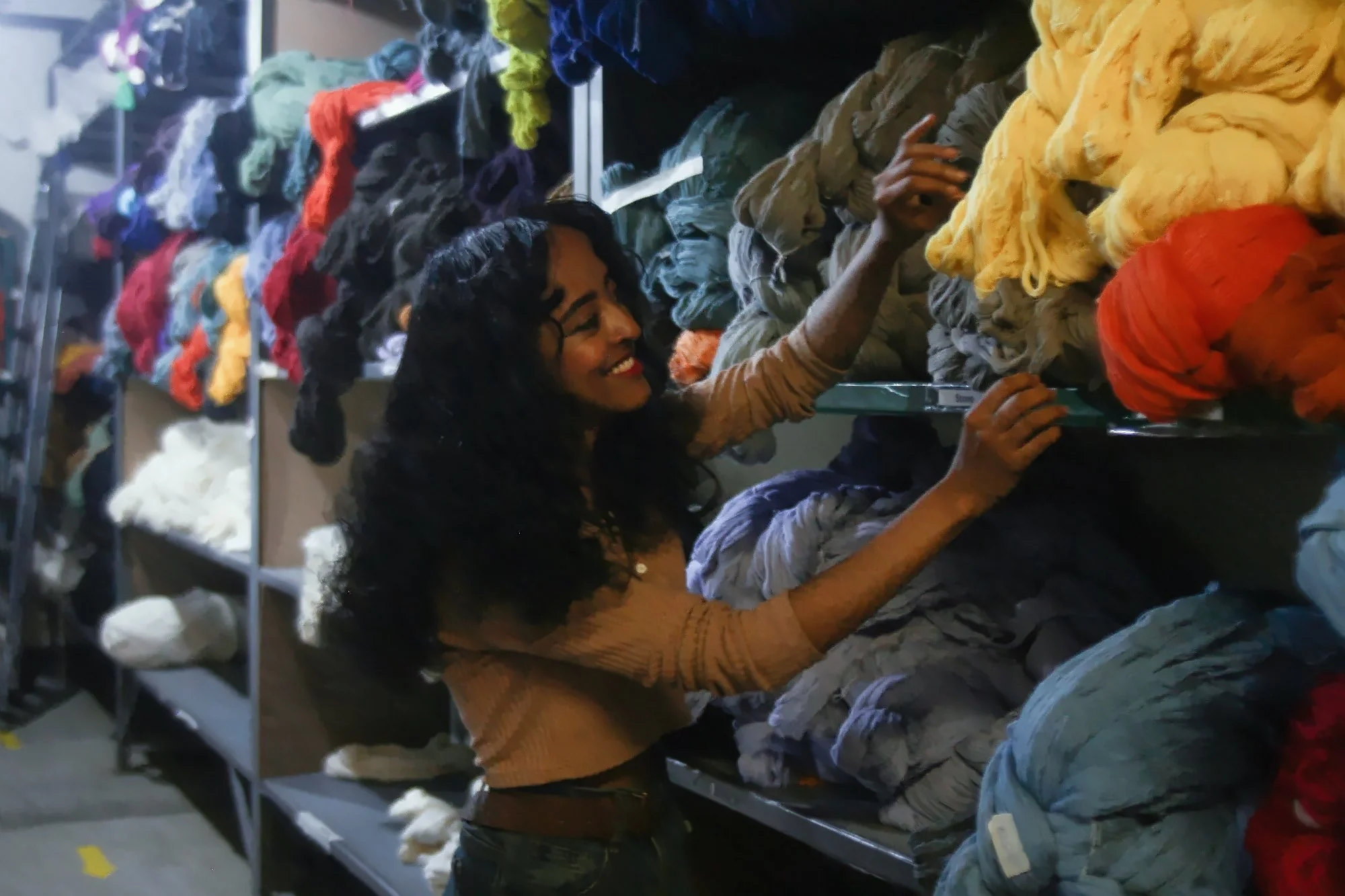
Solome Asfaw at Sabahar
“Ethiopian fashion is full of culture and full of adventure. My generation of designers all have different visions but we support each other” Solome Asfaw
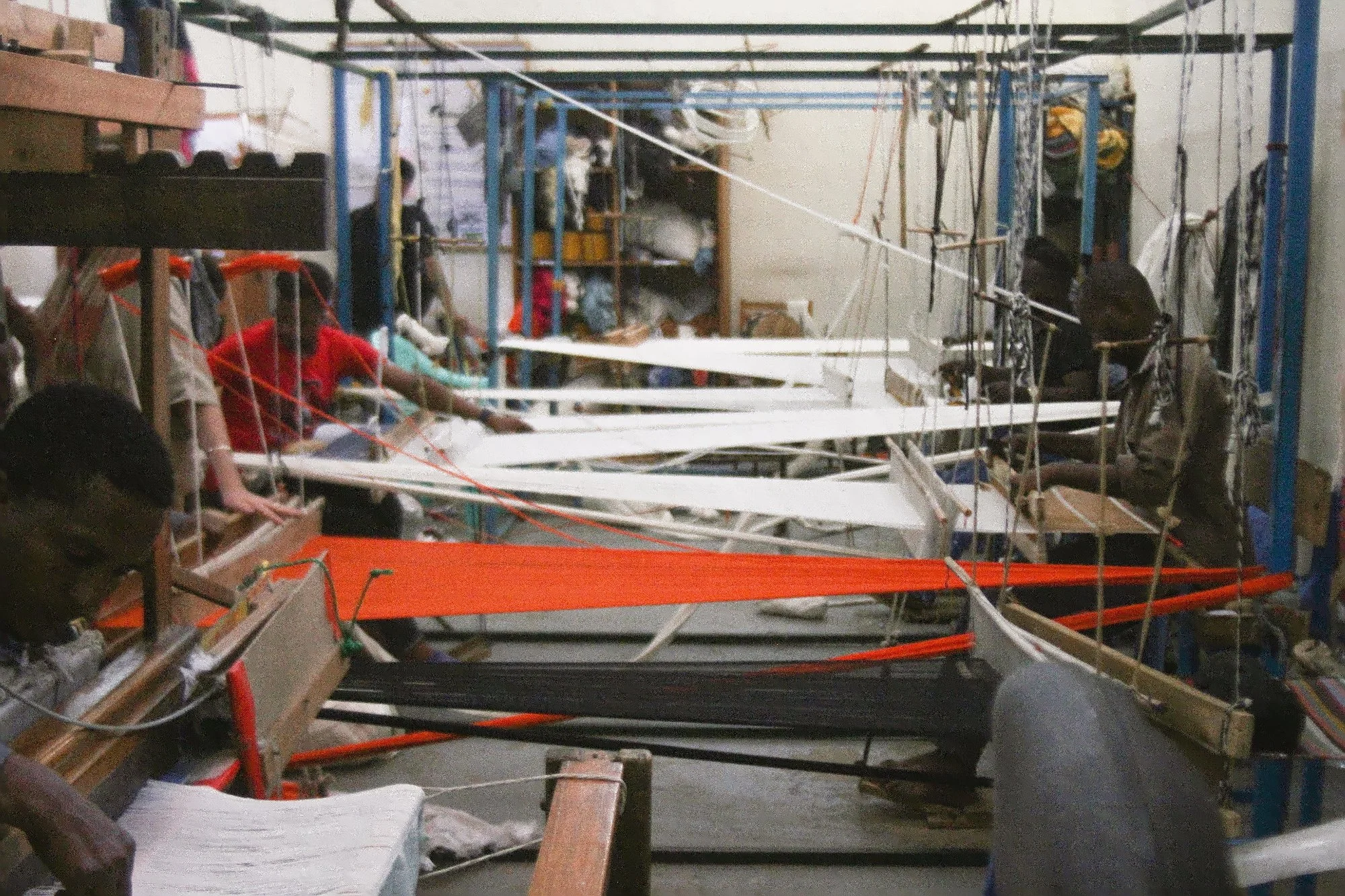
Weavers at Sabahar
Why Addis Ababa? Although lesser known on the African fashion map, this quiet giant is rising. As Africa’s fastest growing capital, skyscrapers are popping up across the skyline at an increasing rate. Meanwhile the country has long been blessed with abundant cotton cultivation, a lively tradition of handweaving and a strong connection to its cultural dress practices. Hub of Africa is one of the most long-standing fashion weeks on the continent with 15 years under its belt. And globally recognised brands such as African Mosaique, LemLem and Mafi Mafi have paved the way for emerging designers like Dagmawit and Mastewal Alemu. And yet fashion education and media are still lacking, as is a local customer base ready to invest in contemporary Ethiopian design. Many designers report that they rely on the expat and diaspora communities for sales, and that they struggle with bureaucratic red tape. So as inspiration, talent and handcraftsmanship abound, access and infrastructure remain a work in progress.
Mafi Mafi founder Mahlet Afework is addressing some of these gaps with MFAL (Mafi Fashion Academy and Lab), Ethiopia’s first formal fashion college, which she opened in 2024. “Doing business here is tough. We have a good foundation but finding the right people to help you grow your team is difficult. So, with MFAL we’re building the industry on our own terms,” Mahlet explains. The curriculum aims to get students to an international standard while preparing them for local opportunities. “We offer one year foundation and advanced programmes but my ambition is to reach degree level and to introduce other creative courses so that we can build out the entire ecosystem. And then our graduates can create their own businesses and compete across the continent.”
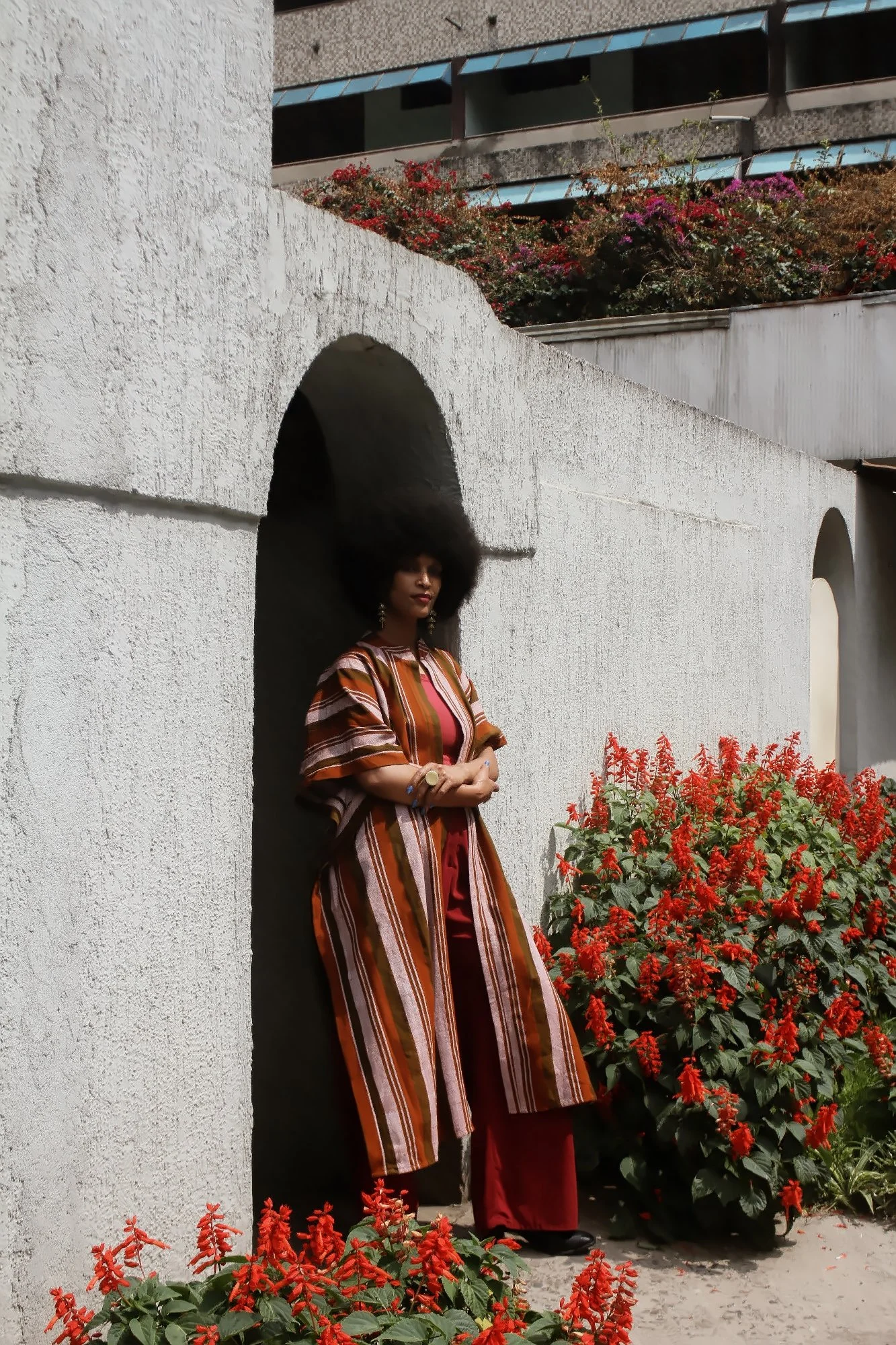
Haymanot Honelgn at Hanu Bet
“Joining CDNA taught me what it takes to be a global brand” Betselot Zewge
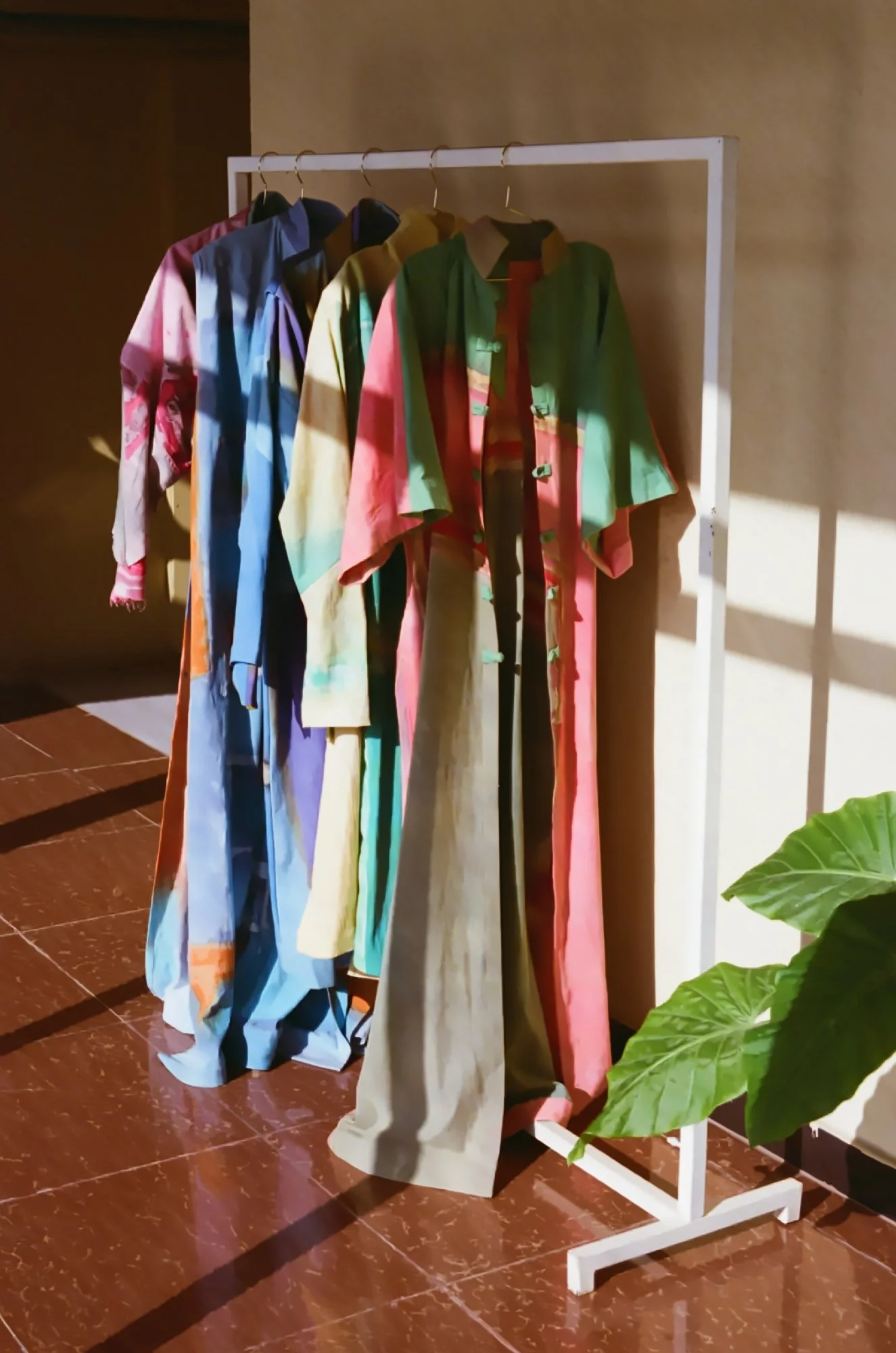
Yonael Marga studio
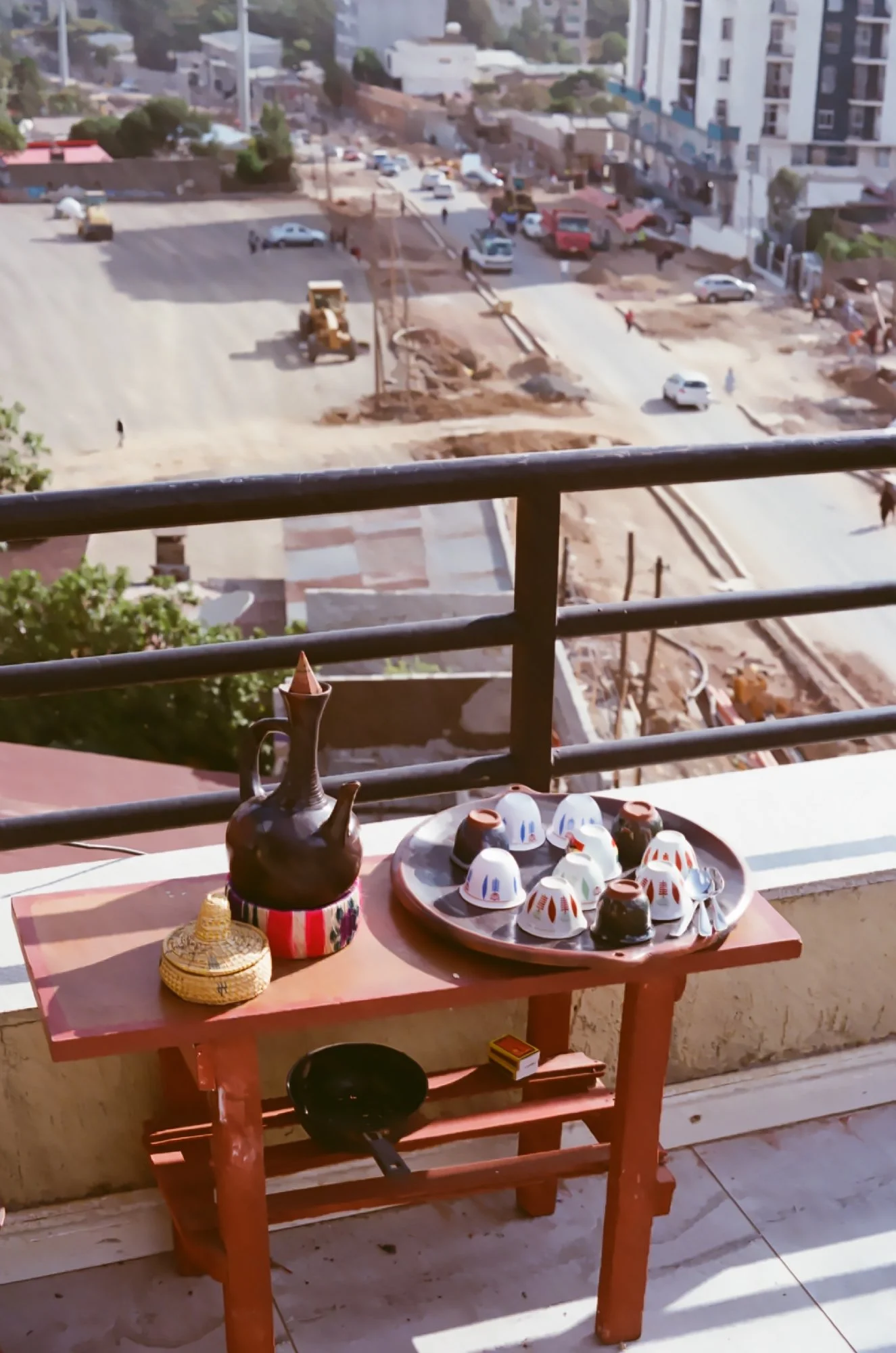
Yonael Marga studio
On our visit to MFAL, the designers undertake a pattern cutting workshop. Yaku makes a bag inspired by the architecture of the Kidist Selassie Cathedral and Solome completes a fully pleated bustier and skirt. Looking on proudly is Betselot Zewge, CDNA facilitator and founder of size-inclusive brand Zemenay. An alumnus of the first CDNA Ethiopia programme, which has seen three editions to date, the entrepreneur knows the difference it makes. “Joining CDNA taught me what it takes to be a global brand. We also got to showcase at Hub of Africa and Canex Summit in Cairo. I felt seen and it showed me that fashion really can have impact for my community,” she says. “This year’s global group are all learning from each other and I can’t wait to see what they can make together.”
Another highlight of the programme was a day spent at two of the most established handmade textile operations in the country. Sabahar employs over 200 people in the creation of eri silk and cotton products, each one touched by 12 sets of hands from spinning and dying through to weaving, sewing and fringing. While at Muya, a team of over 400 supply homewares and garments to an international clientele. Walking under lines of colourful yarns drying in the sunshine, and through weaving rooms alive with the rattle and hum of busy looms, the atmosphere here feels serene. We enjoy a coffee ritual, the intoxicating smell roasted beans and incense wafting through the air, while Bettydora tries her hand at drop spindle spinning and Renata starts the groundwork for a future textile order.

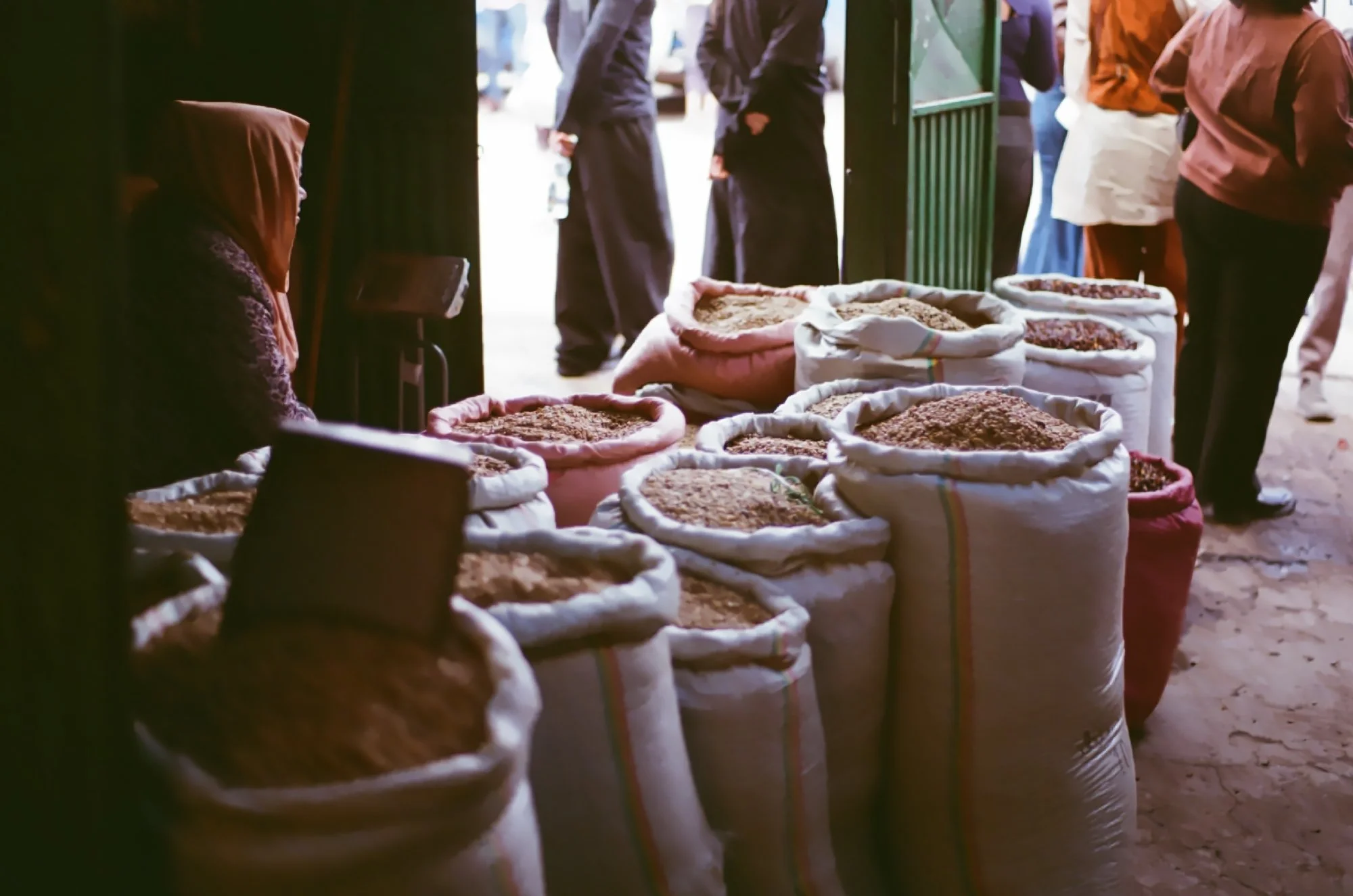
Merkato in Addis Ababa
“We’ve always fostered a culture of sharing in Africa so let’s use human-centred design as a communal act” Dagmawi Bedilu Degefe
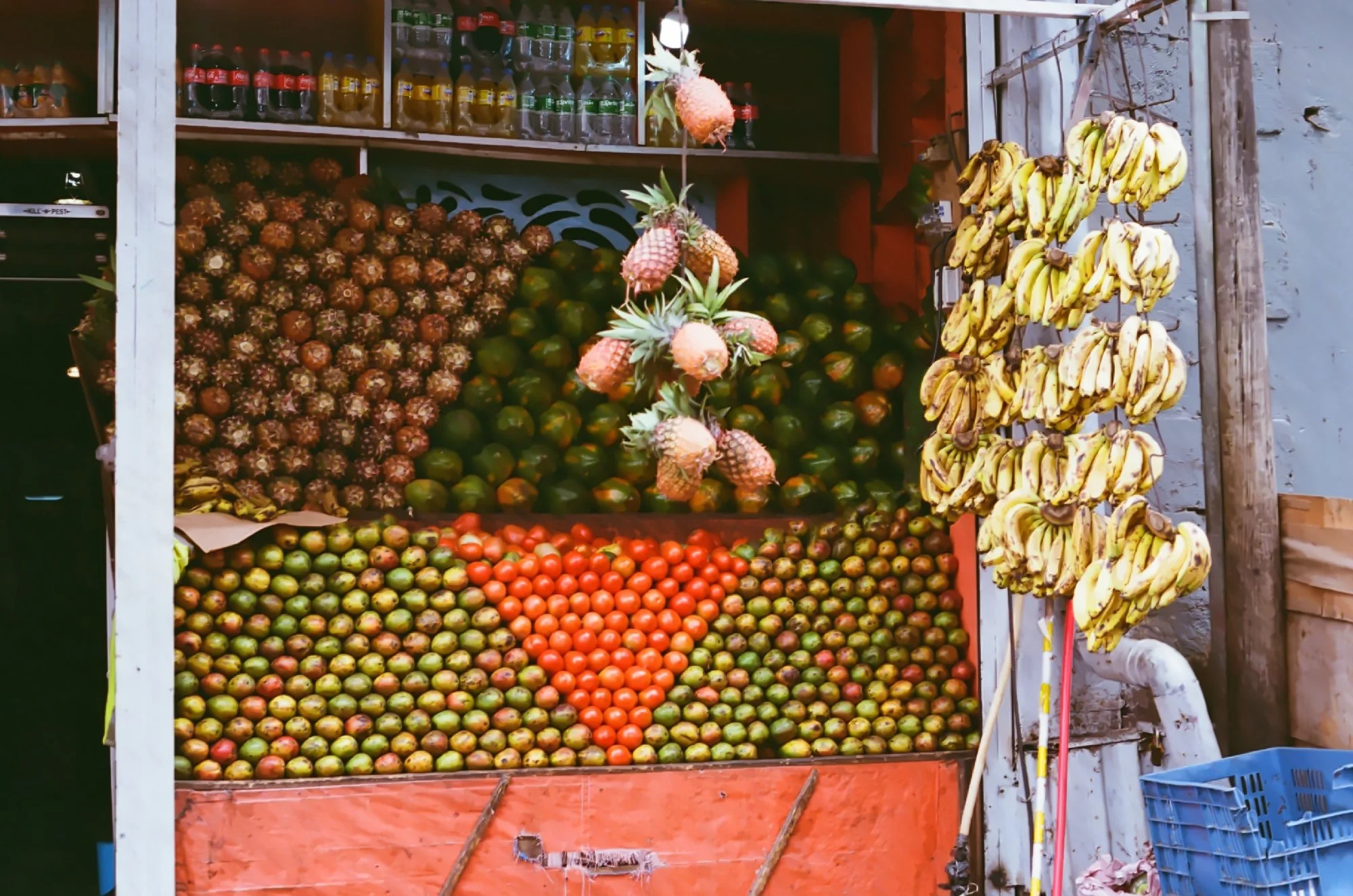
Haymanot Honelgn turns Ethiopia’s storied textiles into modern tailoring for her brand, Hamek. She also heads up the Hanu Bet concept store that doubles up as a community hub for pop-ups, workshops and more. “As an industry, we haven’t sufficiently told the world about the potential of our organic cotton artisanship. There’s more to Ethiopian fashion than traditional white dresses, so here we sell brands that use these textiles to create wearable, accessible designs,” she says. For CDNA, Hanu Bet hosts a weaving masterclass. “I’m so impressed by the young designers coming through this programme. It’s proof of what we can do when we have the platform and the support.”
From ancient skills to the latest technology, we move to the Habesha Creative Lab at Alliance Francaise for a session on digital innovation. Speaker Dagmawi Bedilu Degefe likens African gaming to Mancala, the oldest known board game. “We’ve always fostered a culture of sharing in Africa. The digital space creates scale, craft keeps us together, so let’s use human-centred design as a communal act,” he asserts. In the fashion space, he advocates for playing between physical and virtual spaces, whether that’s VR and AI runways – as developed by CDNA Ethiopia graduate Daniel Guzo of Guzo Technologies – through to interactive clothing made from adaptive textiles. Solome and Yaku listen eagerly, making notes that resonate with the Afrofuturist leanings of their respective brands.
Perhaps the most moving session of all though is a storytelling workshop at Gallery 11 led by musician and ceramicist Abi Tsigie. Likening the designer’s path to that of a griot who passes on wisdoms, he presents a tool kit built on African story modes including the Ghanaian Sankofa bird (looking back informs our futures) and Ethiopia’s Sem-enna Werq / Wax and Gold (wax representing surface meanings that melt away to expose valuable truths). “Your garment is not a product. It is a spoken word woven into form,” Abi asserts. “Why not imagine each collection is an oath to authenticity, a praise song or a cautionary tale for the community you are close to?” We then each pick a proverb and mode and cast our own one-sentence fashion spells.
“Your garment is not a product. It is a spoken word woven into form” Abi Tsigie
The week culminates in a networking day at the British Council Ethiopia HQ during which the designers join panels discussing new approaches to collaboration across borders. It’s this spirit they’ll take forward to their London residency this summer where the Africa-based designers will showcase at Africa Fashion Week London. They’ll also undertake a six-week stint at Studio Smithfield – Paul Smith’s Foundation’s mentorship scheme for early career creatives where Renata is currently in residence and from which Yaku and Vitto have graduated.
“With the Ethiopia residency we wanted to show that tradition and innovation are all part of the conversation on the continent, and to provoke the power of harnessing our own stories,” reflects Rasheeda Nalumoso, Head of Arts and Regional Lead, Creative Economy, for the British Council’s Sub-Saharan Africa Arts programme. “In London they’ll have time to consolidate their ideas together, plus the African designers will benefit from bespoke training and access to this new market.” Joining well over 200 designers who have passed through and prospered from CDNA, Rasheeda is excited for what comes next. “We’re at the point with CDNA that we’re seeing its impact on a whole new generation of designers, which just shows what concerted, long-term engagement can do.”
Meet the CDNA 2026 coterie:
Bettydora Odhiambo – Atieno Yarns
This Nairobi native honours the generational knowledge passed down through the matriarchs of her family with her fledging crochet brand Atieno Yarns.
Tell us about the birth of your brand.
Crochet is a skill my mother taught me when I was ten years old and it’s become my safe space ever since because it’s so relaxing and it teaches patience. During university, making crochet clothing became my side hustle. Then two years ago I joined CDNA Kenya, which introduced me to the industry and taught me how to shape a brand. I’ve been focussed fully on my business ever since.
How as your mission evolved?
Crochet has always been seen as a domestic craft in Kenya but I want to add value to this artform by giving voice to those women artisans I crochet with. I’m very happy to be able to showcase their work and to present crochet as a skill rooted in cultural memory and community. Crochet, for us, isn’t just a technique, it’s a language of bonding and heritage.
What’s the look?
Most pieces are for summer so they’re playful, daring and feminine. The aesthetic echoes the energy and spirit of the Kenyan coast where I grew up with many of the motifs, stitches and colour palettes drawn from my childhood home. Lately I’ve also been trying out some more casual daily wear and I’d like to progress from using cotton, which comes from Uganda, to exploring other materials like cashmere and silk.
What are your reflections on the Addis Ababa residency?
I’ve loved seeing how they do traditional weaving in Ethiopia. It reminds me that I need to speak up more about sustainability in my own work. And I’ve learnt so much from my cohorts, like how you work with a showroom in London. When I head to Studio Smithfield I hope to create a new collaborative collection with them.
Chido Kaseke - PatCh
Zimbabwean designer Chido Kaseke has fine-tuned the art of making desirable accessories from handwoven hessian and leather.
Tell us about the birth of your brand.
The slow practice of hand crafting is in my blood. I grew up seeing family members carving stone and wood and weaving mats. So PatCh is an extension of that legacy. I started playing with hessian and upcycled leather in 2014 to realise my designs and have since trained a small team.
What makes these materials special?
Hessian is usually seen as utilitarian material but with our hand weaving and hand stitching techniques, we are reinventing its unique textures to create handbags that women can use and cherish every day. We also work with local tanneries to source leather that has a lot of character, and with a group of rural artisans who use Baobab fibre.
What are your reflections on the Addis Ababa residency?
It’s been a powerful experience meeting designers from other parts of the world and thinking more deeply about how I view myself as a designer. The marketing workshop highlighted how your message should speak to your context, your city, your language – something that would help Zimbabwean fashion to define its identity. And learning about how weaving is creating employment and preserving cultures in Ethiopia is something I want to explore more back home as well. It’s an amazing feeling seeing the how the lives of the women I work with have changed because of the crafts they’ve learnt. So, if I put in the work, I can grow that impact even more because sustainability is really all about community.
Karoline Vitto
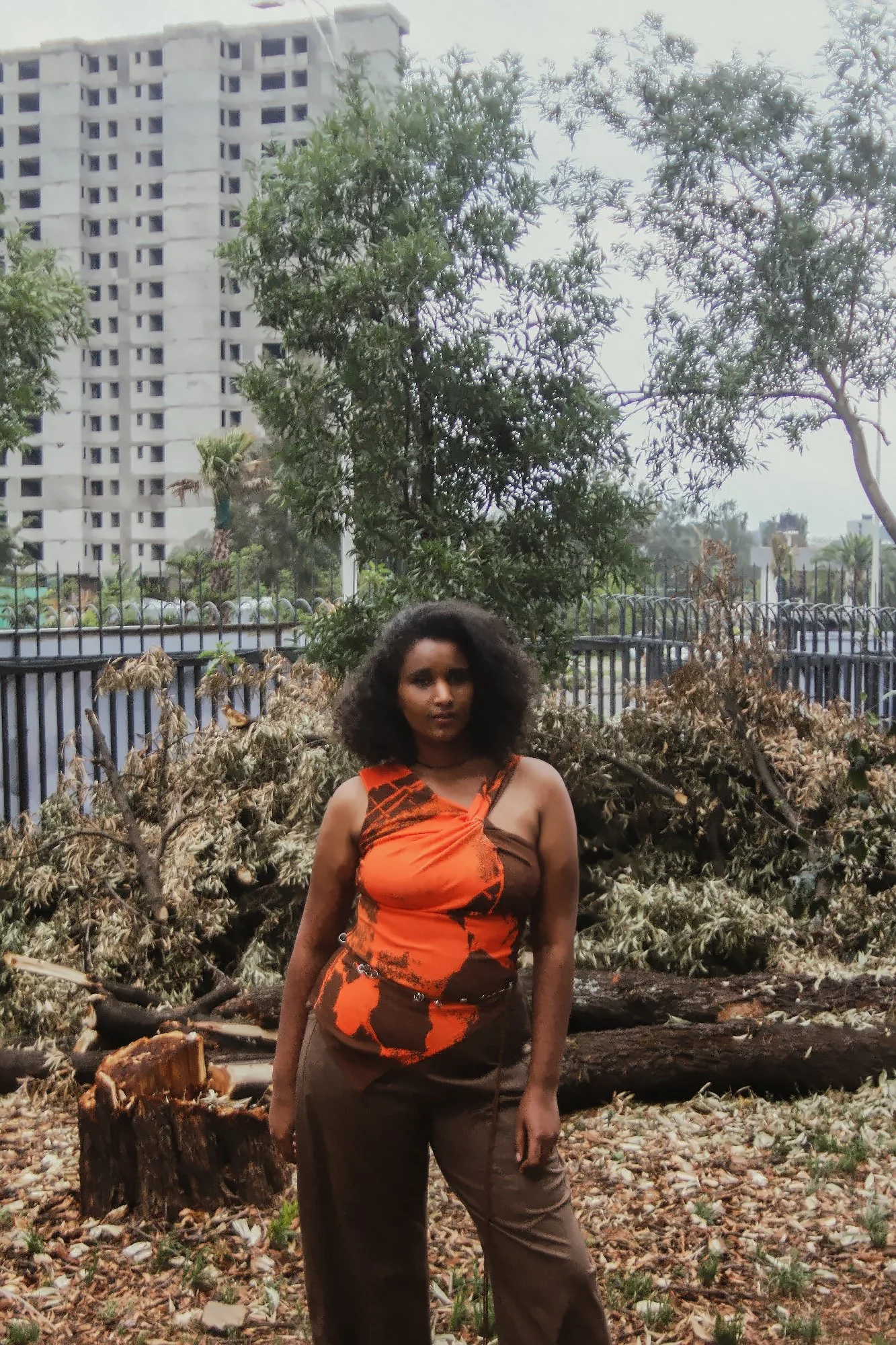
Model wears Karoline Vitto
This Brazil-born designer’s collections celebrate womanly forms. A recipient of BFC New Gen and Fashion East support, Karoline Vitto’s shows have become a refreshing display of body diversity to London Fashion Week.
Tell us about the birth of your brand.
It was an evolution of a project on my Masters at the Royal College of Art looking at body image, and became a fully formed brand playing with the intersection of jersey and metal and how they can highlight the body. We’ve since expanded into more every day pieces using fabrics like denim. In London our customer is someone who is fashion forward and wants to wear rare items, and in the US and Australia it’s curvy customers looking for mid-sizes.
You’ve completed the Studio Smithfield residency. How was it for you?
It wasn’t about a proscribed outcome. It was about meeting me where I’m at and helping me to grow. The support came on so many levels – studio space, mentorship, a Paris showroom – and now they’ve found us a follow-on space to keep some of us designers together. It’s great to be with people you can share your struggles and your wins. So, it’ll be exciting for the African designers to access that same help, and for us to connect them to new people. That exchange is really important.
What are your reflections on your residency in Addis Ababa?
When I travel I’m always interested to see the craft, how things are made, what people buy and wear. My brand was born by making – for the first two years I personally made every garment – so I’ve enjoyed understanding different forms of making and speaking to the other designers about how they produce. For example, Bettydora has her crochet artisans working in her studio, which is amazing to hear. I also want to say just how welcoming and caring everyone has been on this trip!
Renata Brenha
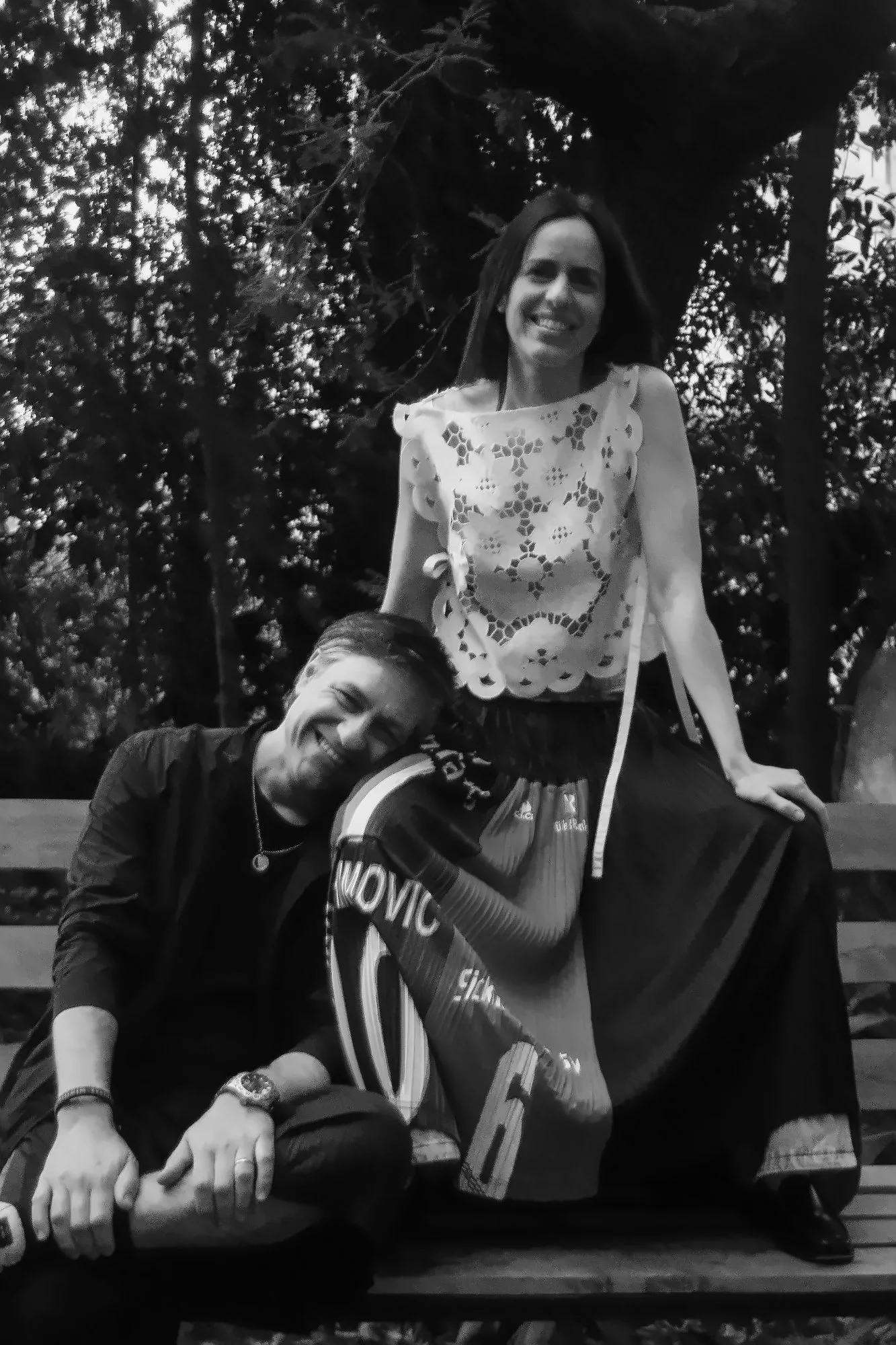
Hernán De Majo and Renata Brenha
Built on the Brazilian idea of Gambiarra, “the art of making do through ingenuity”, Renata Brenha’s collections re-imagine discarded materials into spirited forms. She has been an artist-in-residence at the Sarabande Foundation and is co-founder of plant-based food concept Cocina with husband Hernán De Majo.
Tell us about the birth of your brand.
I’d studied advertising in Brazil but always wanted to work with my hands and so did my Masters at the Royal College of Art to better understand what my practice could be about. And during the course, I went to Mexico to visit indigenous communities and saw how they work in harmony with their environment. When I came back to London, what I found in our environment was waste. So, I began elevating it to make work that was sustainable and relvant. My designs became very tactile, very real. I wanted to create pieces that have a second life and that people actually want to wear.
How has your aesthetic evolved?
I’m always trying to be a bit provocative with the idea of what’s old-what’s new, what’s traditional-what’s contemporary, what’s mundane-what’s spiritual. Each season looks at different elements of folklore or ritual from Latin America. Over time we’ve upcycled all kinds of fabrics, tablecloths, curtains, beach towels, but for AW26 we’ve come back to our staple pleated football jerseys so it’s a nice full circle moment.
What are your reflections on the Addis Ababa residency?
It’s been exciting to see how textile weavers work, and hearing from gamers about the digital space. There’s so much drive, skill and energy here. Everyone has shared ideas around community, which is so inspiring and will inform what we will do next. And coming from Latin America, culturally it feels familiar, so we feel right at home.
What are your hopes for the African designers’ time with you at Studio Smithfield?
It’ll be an opportunity to experience each other’s practice. We’re already imagining collaborations with them all.
Solome Asfaw – Xufan
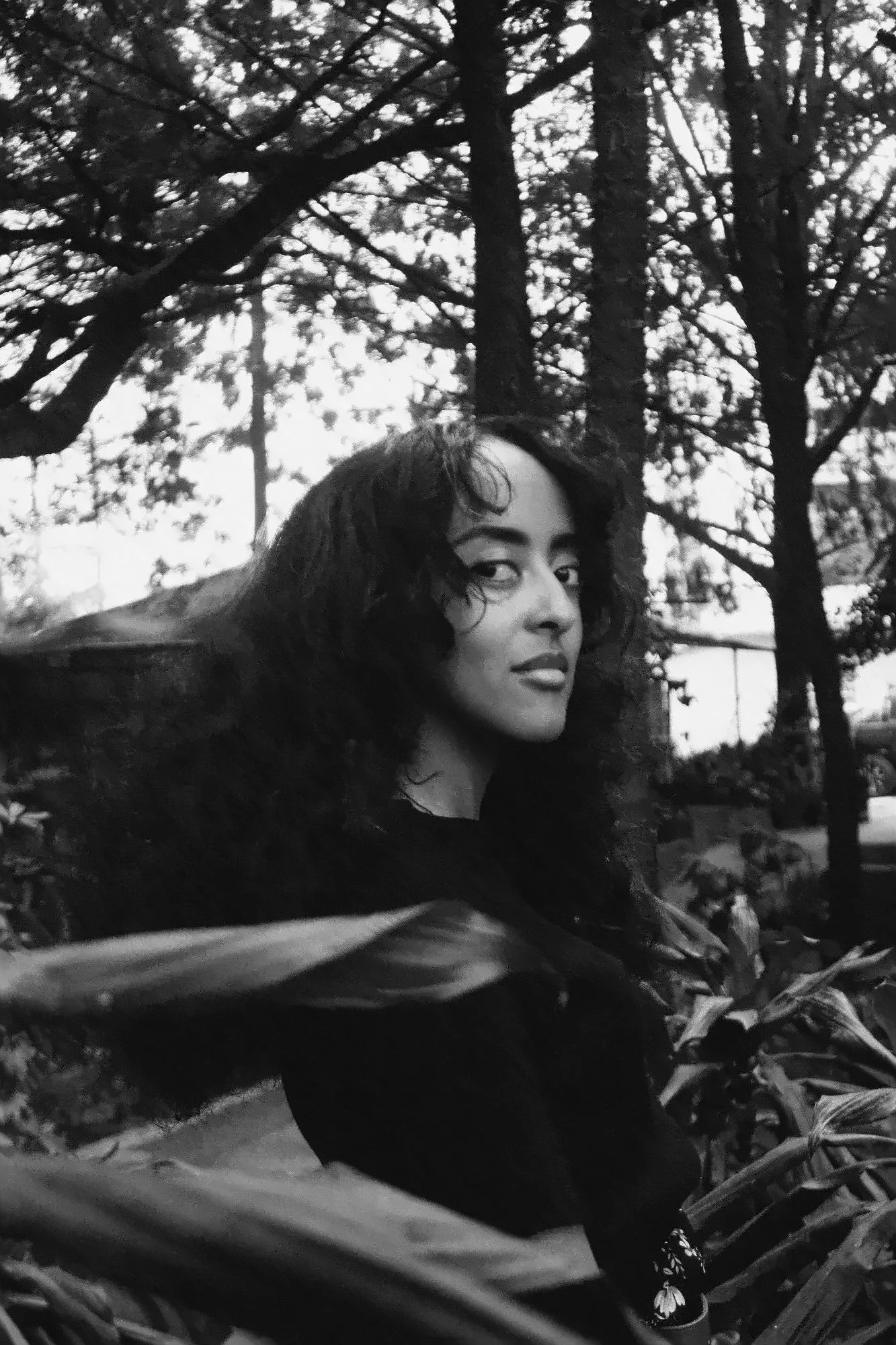
Solome Asfaw

Model wears Xufan
Solome Asfaw studied fashion in Addis Ababa and worked at African Mosaique before launching her afrofuturist brand. Xufan, meaning “throne” in Amharic, is wedded to the idea of owning who you are without apology.
Tell us about the birth of your brand.
Xufan was born from the feeling of being different and searching for identity. Growing up between cultures and creative worlds, I felt a gap between who I was and how I could express it. Xufan filled that gap for me, creating a world where culture, futurism and emotion meet. Really, the brand is about clothing that promotes mental well-being and self-discovery.
What’s your aesthetic vision?
I’m inspired by gaming, sci-fi and fantasy and anything that is immersive and bold. The current collection is looking at how energy frequencies effect our experiences and how emotions are associated with colours and shapes.
How has your CDNA experience been so far?
I learnt so much from the Ethiopia programme, working with my fellow designers and having the time to find my touch, especially in terms of visual storytelling. It helped me to be more confident talking about my brand. And now welcoming designers from different countries to my city has been very bonding. It’s reassuring to know that we all face similar struggles and that we’re going to solve them together.
What do you want the other designers to take away about Ethiopia’s fashion scene?
It’s full of culture, and full of adventure. My generation of designers are a community. We all have different visions but we support each other. But I wish we had more exposure and more opportunities.
What are your hopes for the Studio Smithfield residency in London?
I want to meet as many people as I can and to educate myself so that I can interpret my skills in this new context. It’s about building friends and memories.
Yaku Stapleton – Yaku
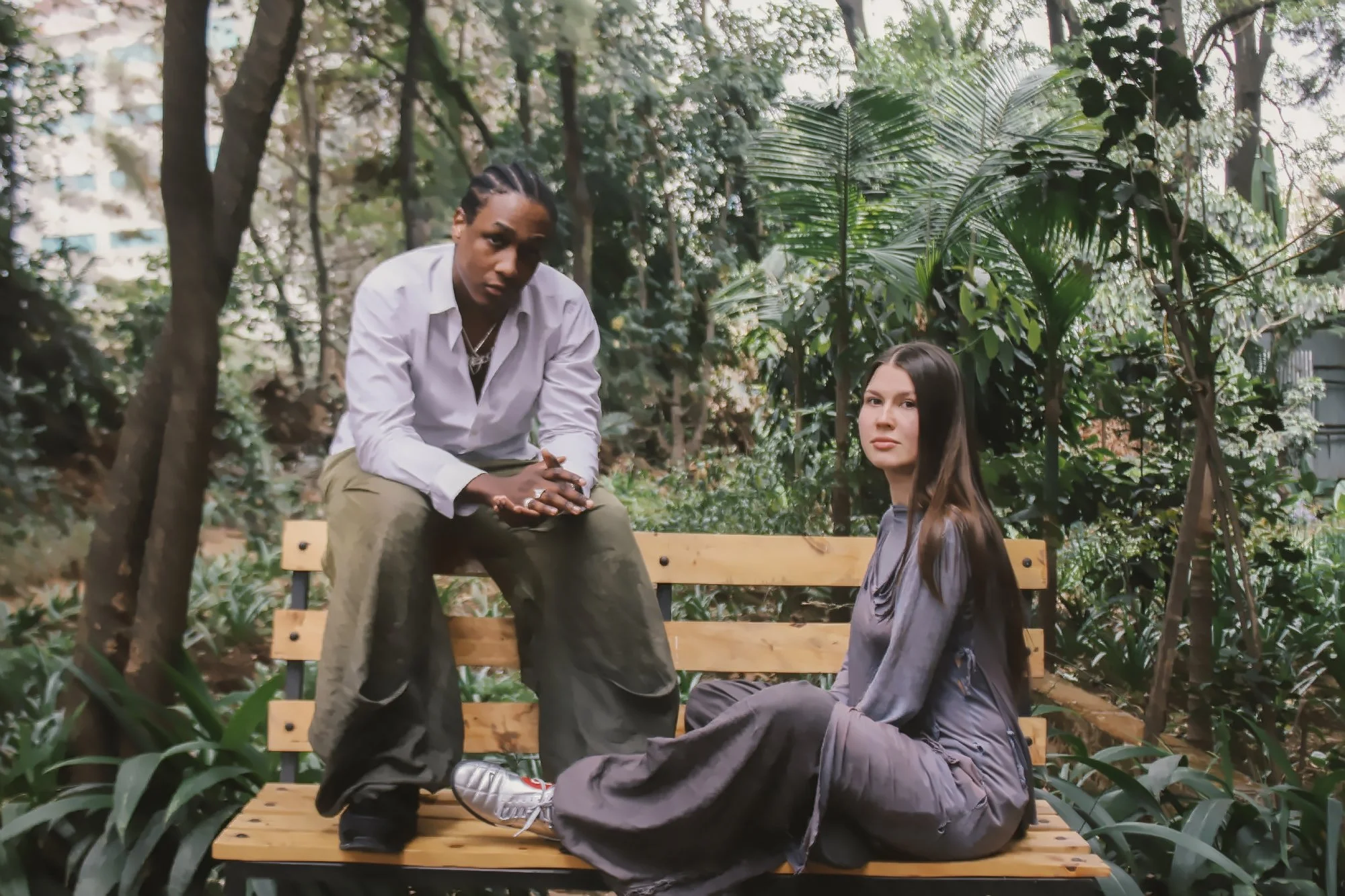
Yaku Stapleton and Nas Kuzmich
Yaku Stapleton won the L’Oréal Creative Award 2023 during his Masters at Central Saint Martins and now his New Gen presentations at London Fashion Week bring his mythical tales into humanoid reality. He co-directs with partner Nas Kuzmich and has a soon-come collaboration with Nike.
Tell us about the birth of your brand.
Ever since my graduate collection, I’ve been evolving a group of characters who are based on my family in a limitless world. It stems from learning about the Afrofuturism movement and telling stories that allow people to redefine their own reality. So, we write the story first and then that guides our design choices. And over time, these architypes have come into their own and everyone in our team gets involved. We have shapeshifters, animal whisperers, warriors, defenders, caregivers. It’s a mixture of things that feel very real and tangible with the super fantastical.
What are your reflections on the Addis Ababa residency?
The storytelling workshop was so soothing and healing. Each season we come up with the next chapter of our fairy tale, so to have these new tools for something Yaku has been doing intuitively, is just so beautiful. The experience has also made us think more about sustainability on a human level. Going beyond materiality, how do we sustain a community that can fulfil itself? We make space by hosting upcycling workshops and inviting people to contribute, but what else could that space become?
You’ve completed the Studio Smithfield residency. How was it for you?
It was like receiving another degree with sessions on everything from HR and law to creative direction. At times it was overwhelming but we’ve come out as completely different designers and business people, which is a gift. When we join the African designers at Studio Smithfield we hope to show them what it’s really as designers in London; to feel the energy and the diversity of the city and while getting behind the façade of the industry.
Words Helen Jennings
Portrait photography Lakin Ogunbanwo
Additional reportage Hernán De Majo
Visit Bettydora Odhiambo
Visit Chido Kaseke
Visit Karoline Vitto
Visit Renata Brenha
Visit Solome Asfaw
Visit Yaku Stapleton
Visit British Council Creative DNA
Visit British Council East Africa Arts Instagram
Visit Paul Smith’s Foundation
Visit IceAddis
Visit Projekt
Published on 13/04/2026