
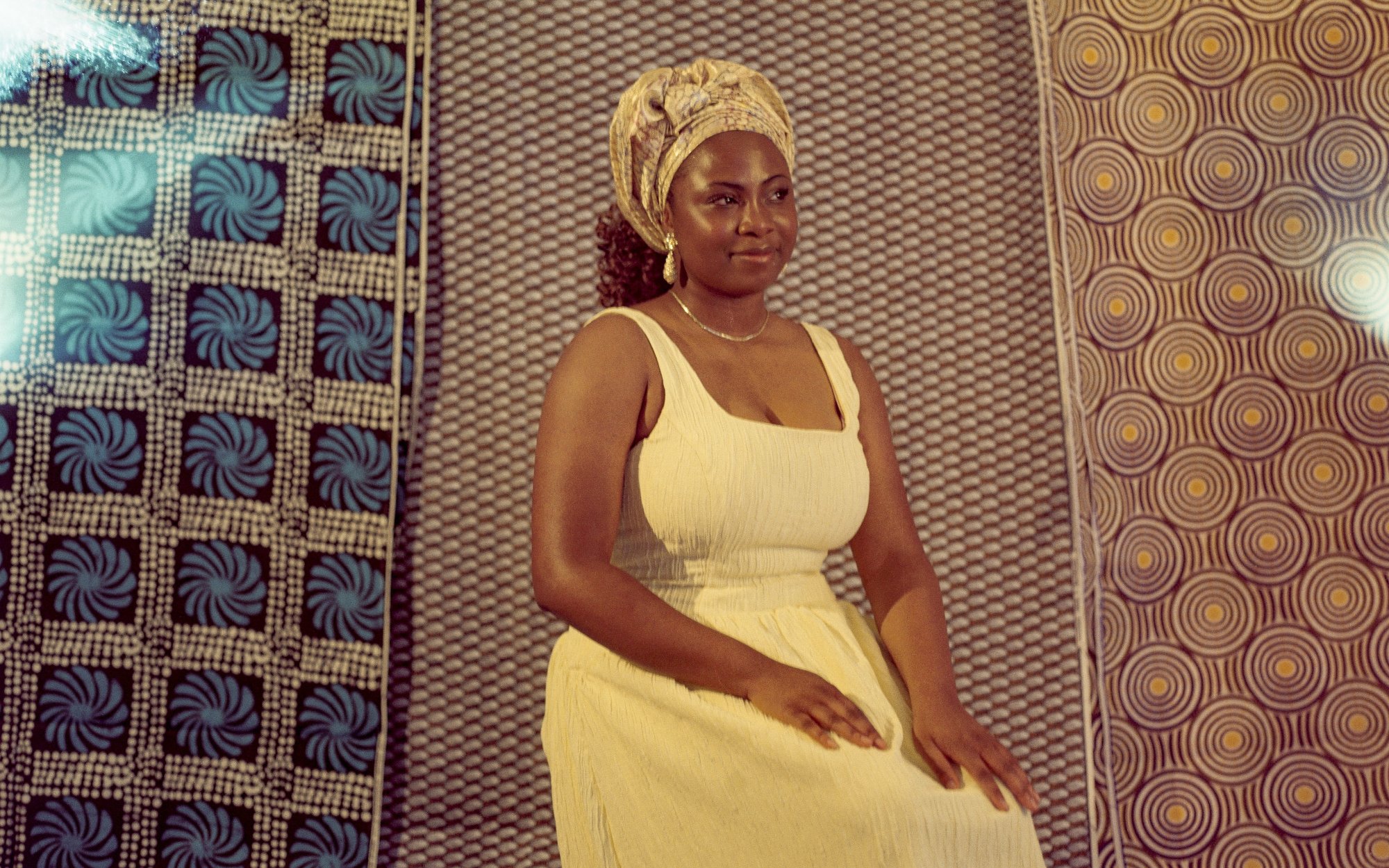
Chiemeka Offor and Awa Bousso in conversation about Bousso’s matriarchal memory project
BODY
I first met Awa Bousso at a going-away party for a dear friend. Like me, Awa is a first-generation daughter of African descent in NYC. We instantly bonded as we danced to the rhythm of noughties afrobeats and talked about our work – hers as a multidisciplinary artist, mine as a photographer – and a few weeks later she sent me a flyer for her Den Muso Beauty Café. I instantly lit up and knew that I had to document it.
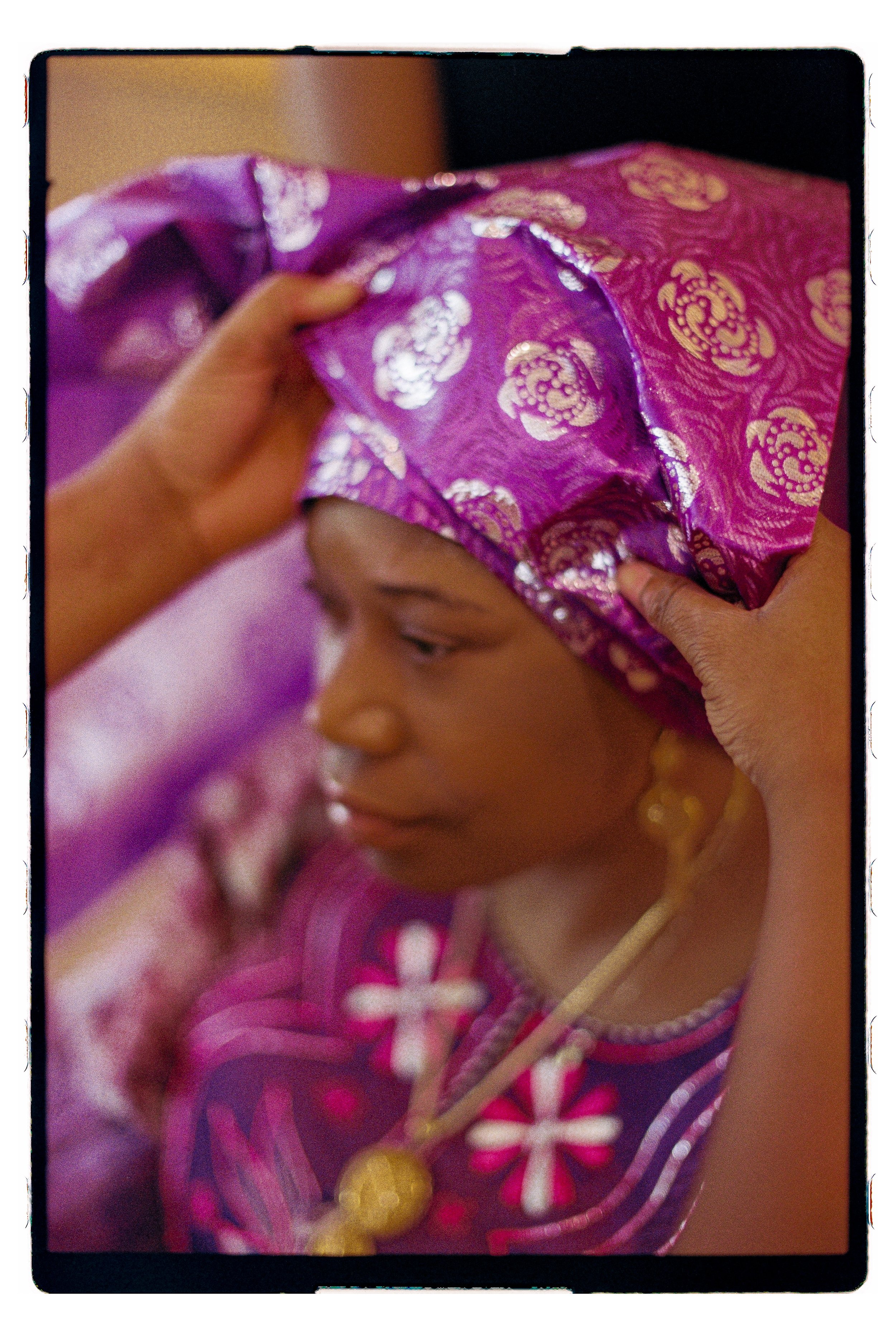
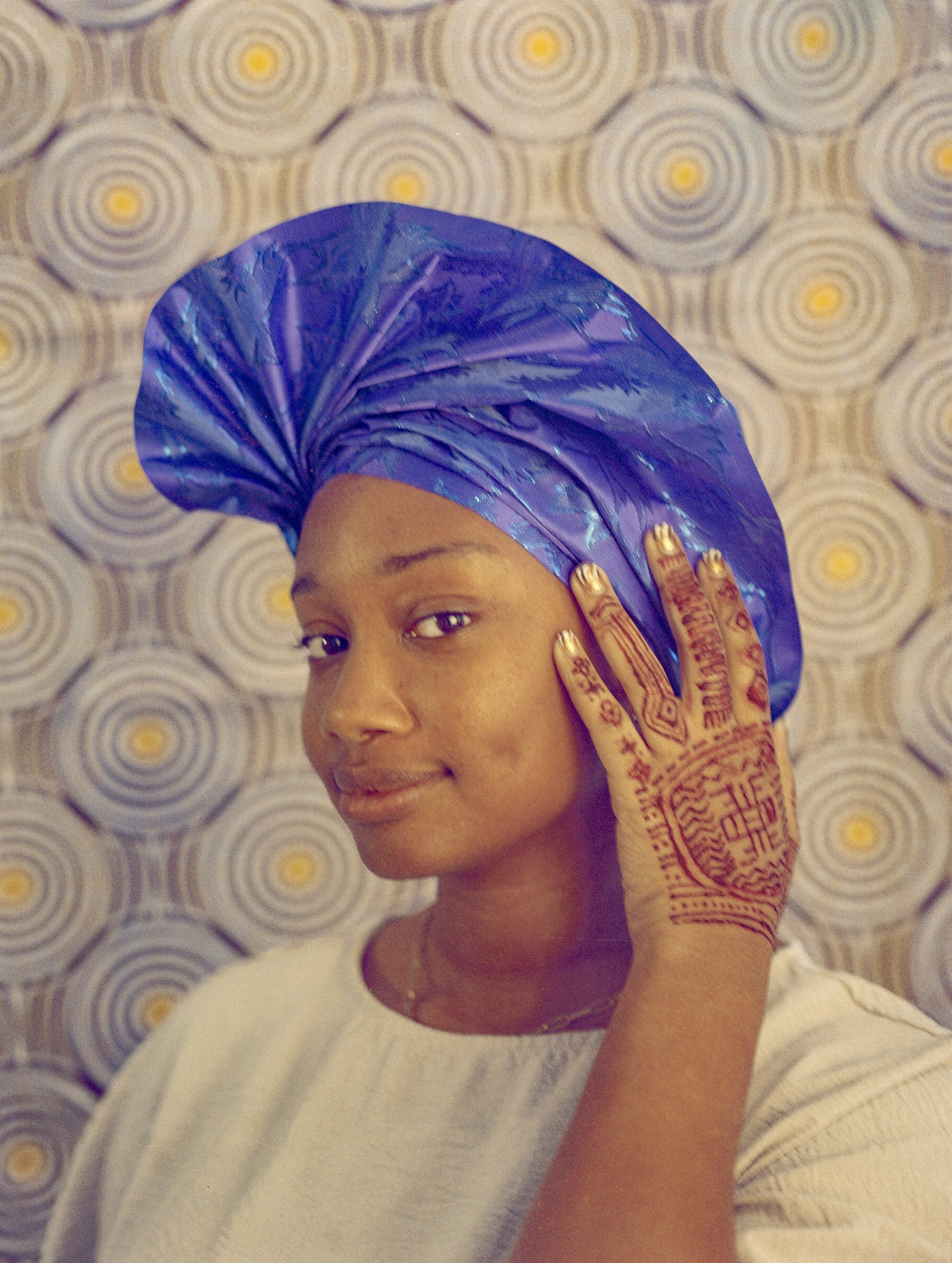
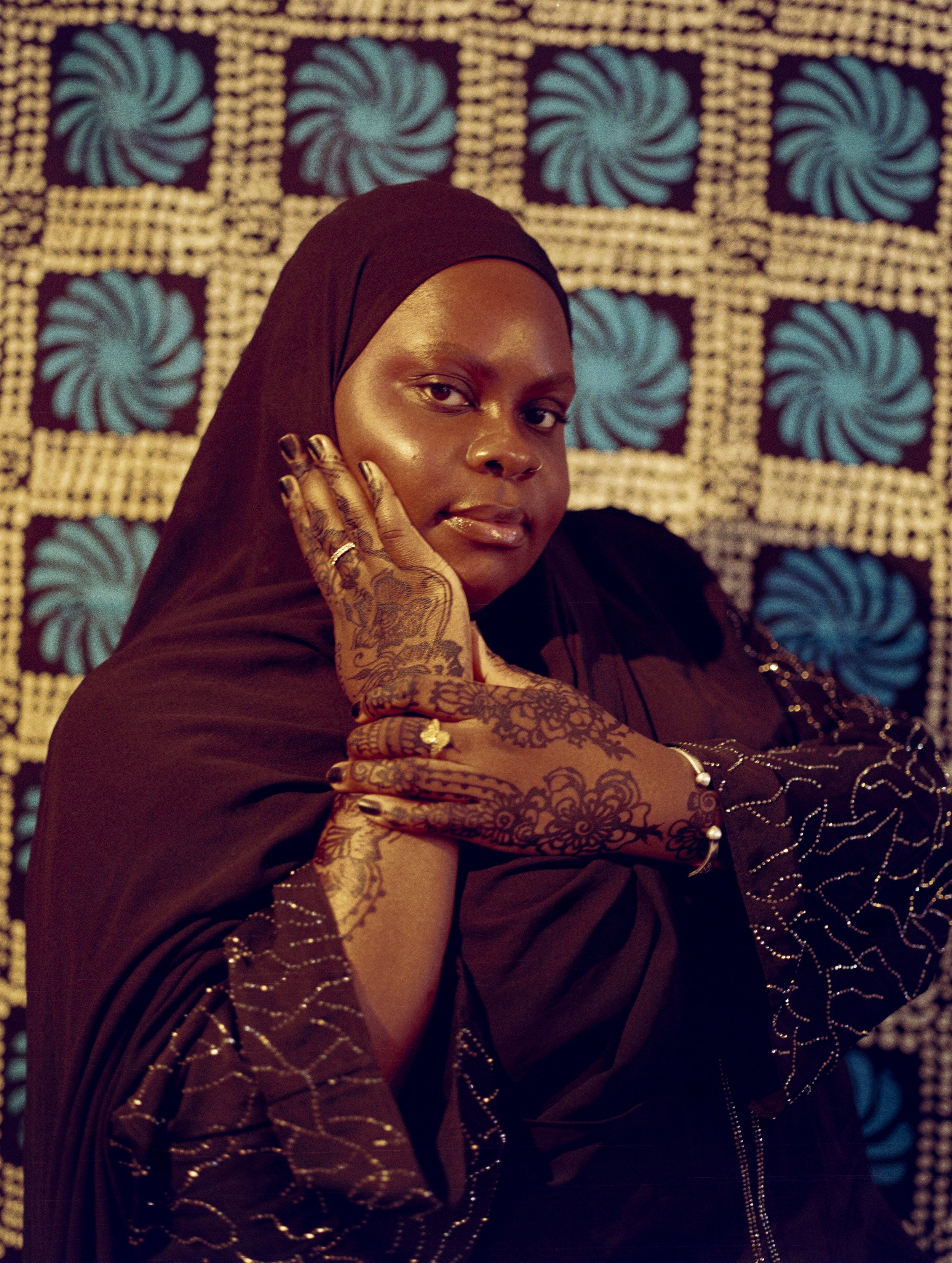
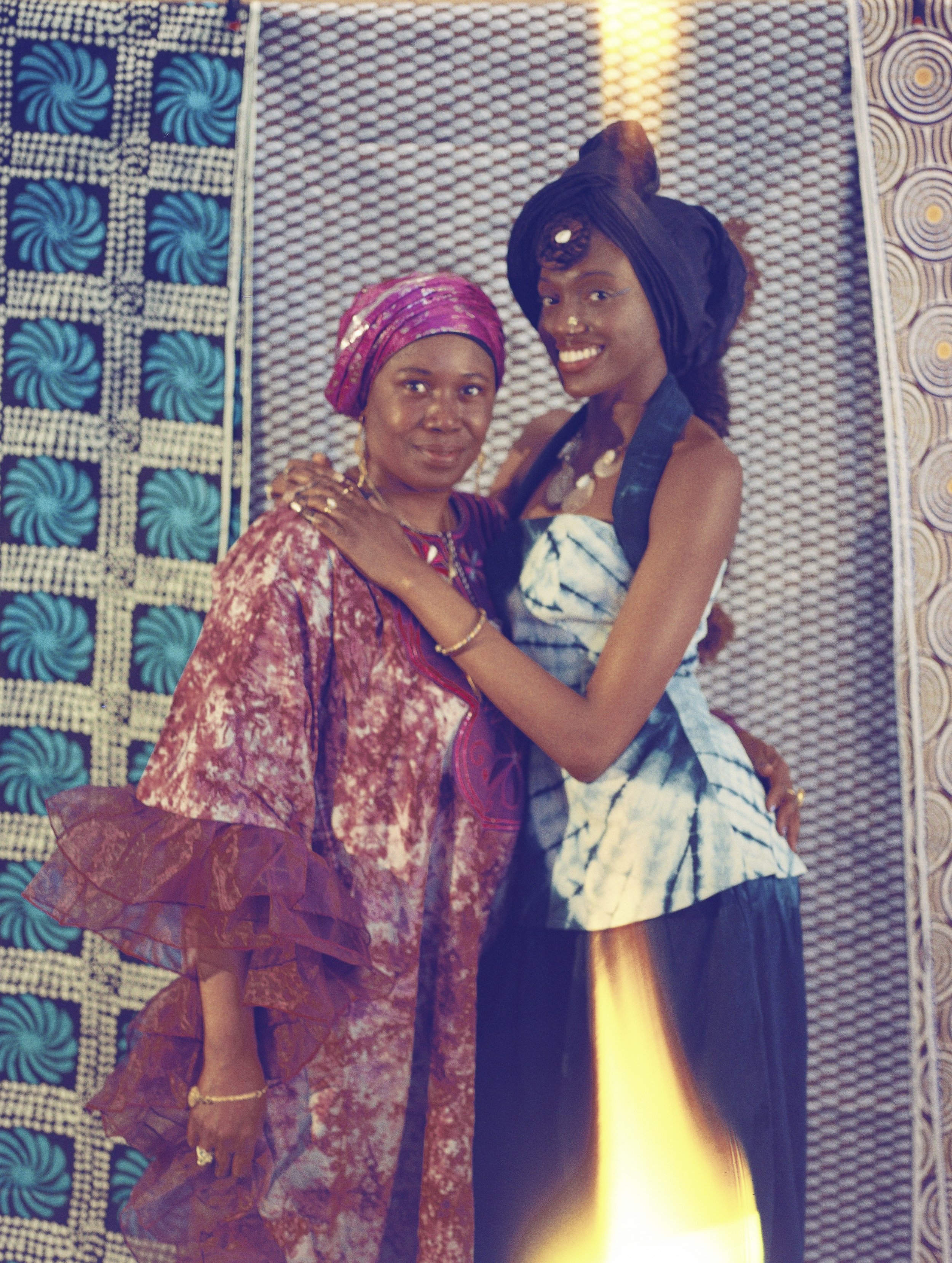
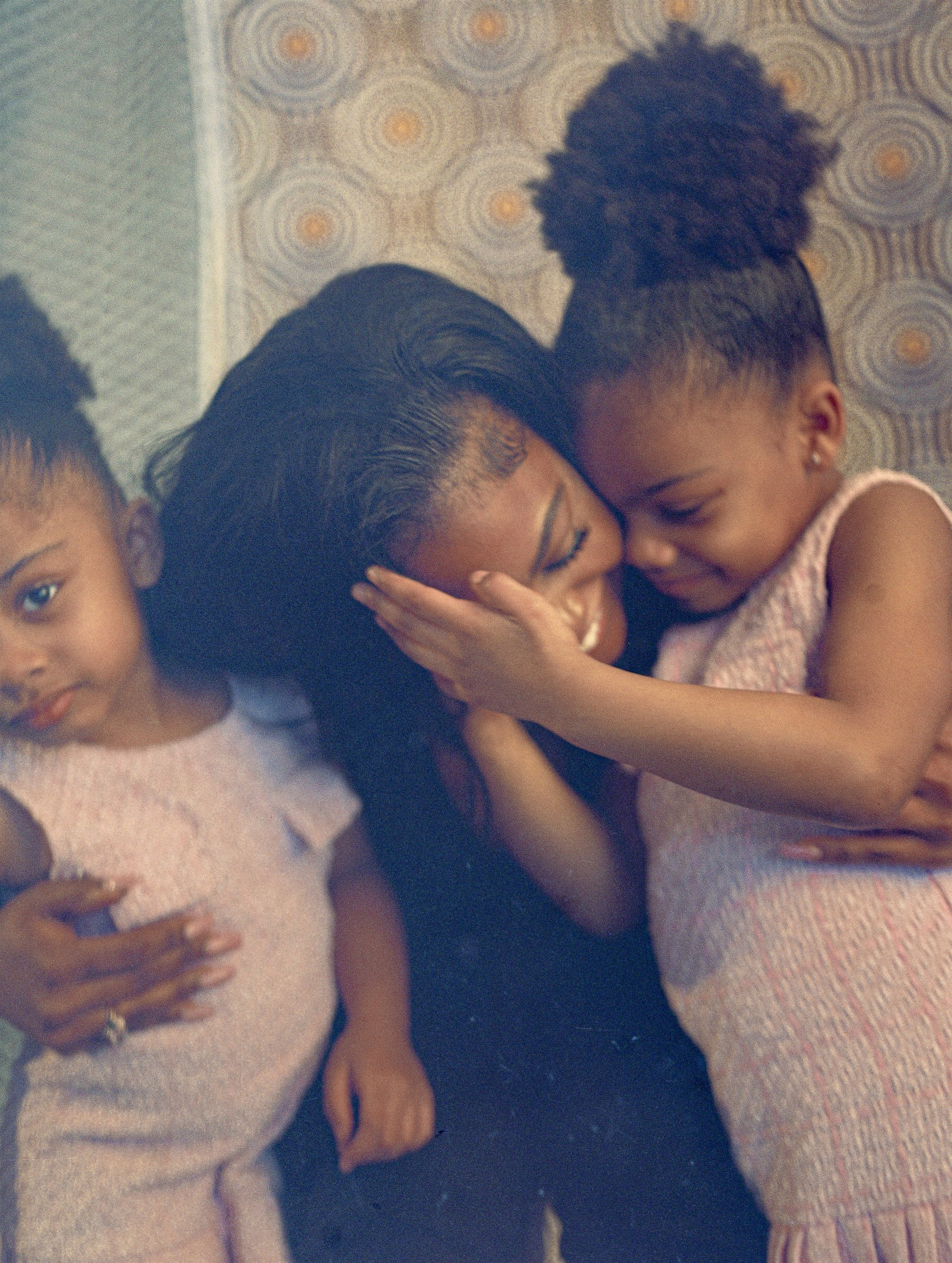
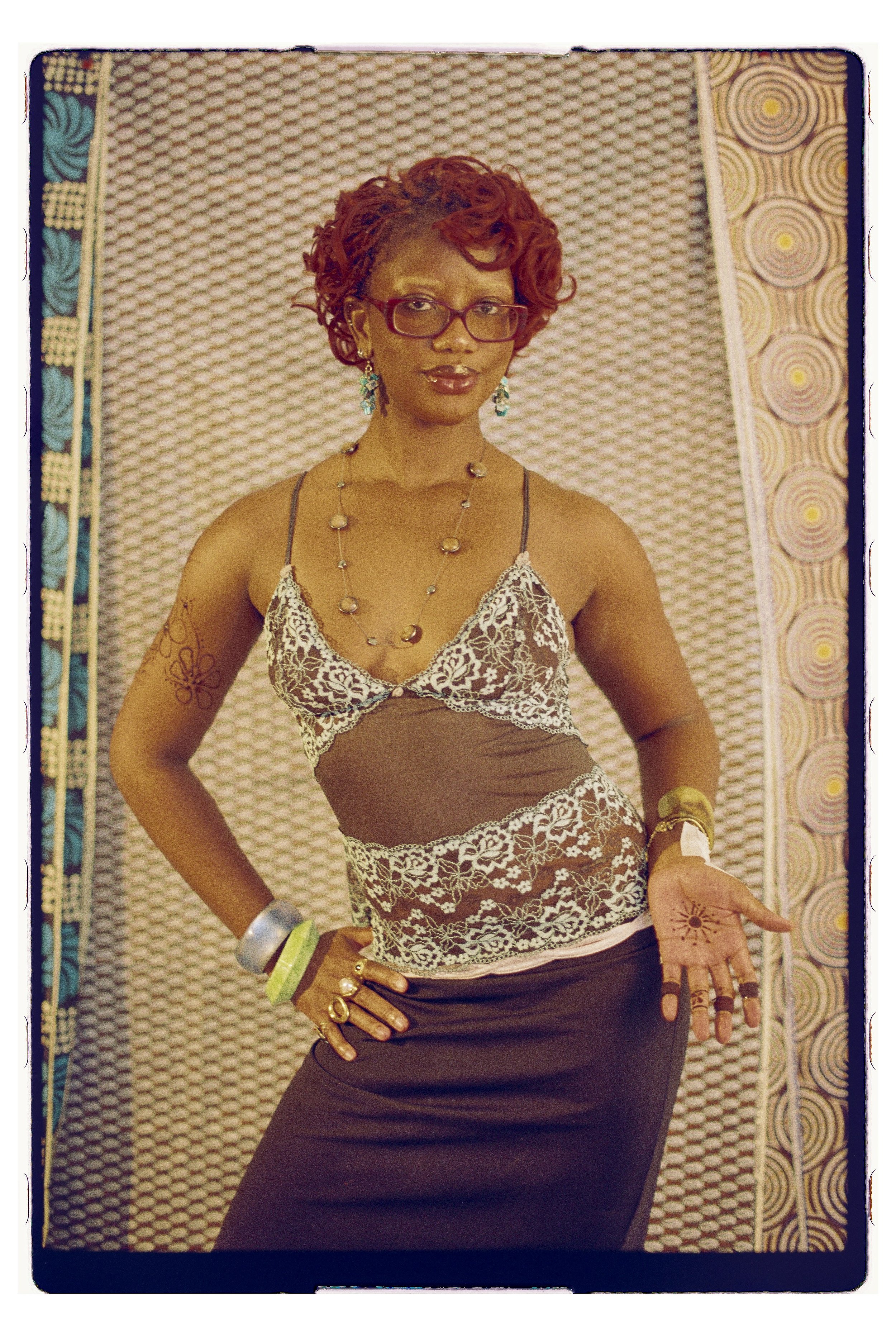
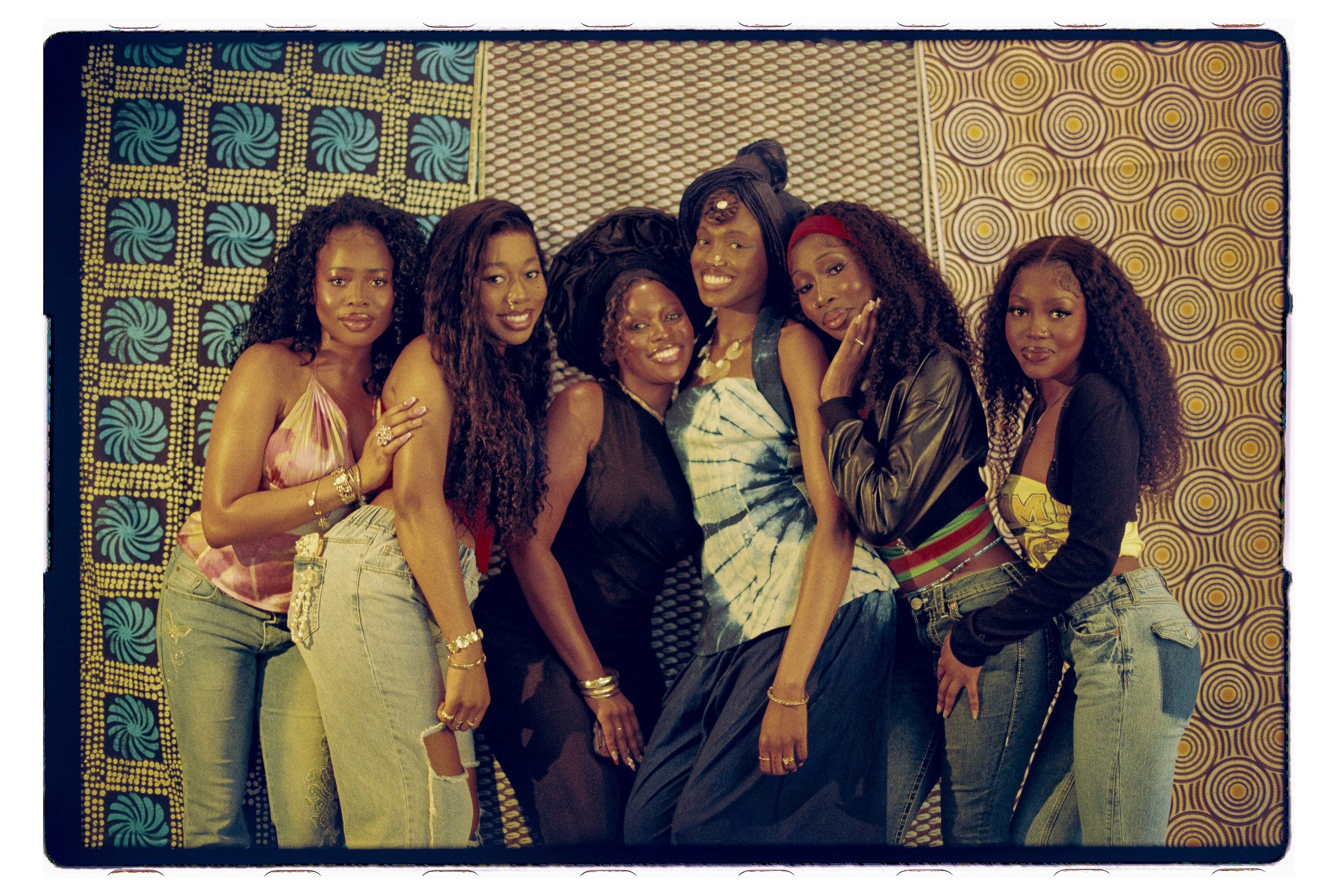
Den Muso, meaning ‘daughter’ in Manding-speaking languages, is the perfect name for a West African henna and textile art café reviving traditional West African arts and beauty rituals. Following three successful editions across Brooklyn, the fourth iteration was held at MoCADA this May where it offered a homage to the beautification secrets and practices our matriarchs held so dear. A space where mothers, daughters and sisters not only connected through blood, but also through spirit and culture; where they gathered to be adorned, to witness, and to remember. In collaboration with Tèmilolúwa Oladitan (Naija Babe), the afternoon unfolded through tea ceremonies, gele tying led by Elizabeth Obadimu (Queen’s Gele), DIY henna, and a portrait booth made by me.
When it comes to memory-keeping, while Awa works through ancestral technologies, I work primarily through images. Inspired by the vast canon of artists such as Seydou Keita, Malick Sidibé, Safi Faye, Samuel Fosso and more, my lens becomes a portal, turning moments into living archives. It’s about connecting women across the diaspora, across generations, to see ourselves in each other. Spaces like Den Muso are sacred vessels through which African girlhood can live on, no matter how far we are from home. After this day, we sat down to discuss the magic of Den Muso.
Chiemeka: Walk me through your upbringing, and how you and your family find yourselves in Brooklyn.
Awa: I grew up in NYC and spent some formative years in Mali. My mom is Nigerian and grew up in London; my dad is Malian and Senegalese. They then met Harlem – she was visiting from London and never left. I was always curious about my heritage, the traditions, the culture, and that curiosity still lives in me.
My mom was born in Nigeria, left when she was about 15, and her family started a whole new life in London. Her mom ended up abandoning the family, and so she raised her two little brothers. A reason why I started Den Muso, meaning ‘daughter’, was because my mum never got to be one.
“There's a softness in seeing ourselves in the gaze of our ancestors, away from conventional beauty practices"
Chiemeka: Oh my God, we've had such similar childhood experiences!
Awa: I believe we are connected to people through synchronicity. Sometimes we're in the same plane of journeying and we meet for a reason.
Chiemeka: If you could distil your practice into one sentence, what are the titles you use to describe it?
Awa: A daughter of the diaspora first and foremost, a multidisciplinary artist, and the founder of Den Muso, inspired by the nyamakala women of Mali and our hereditary craft traditions in pottery, mud cloth, textile art and leatherwork.
Chiemeka: Can you speak more about the cultural origins of these beauty practices?
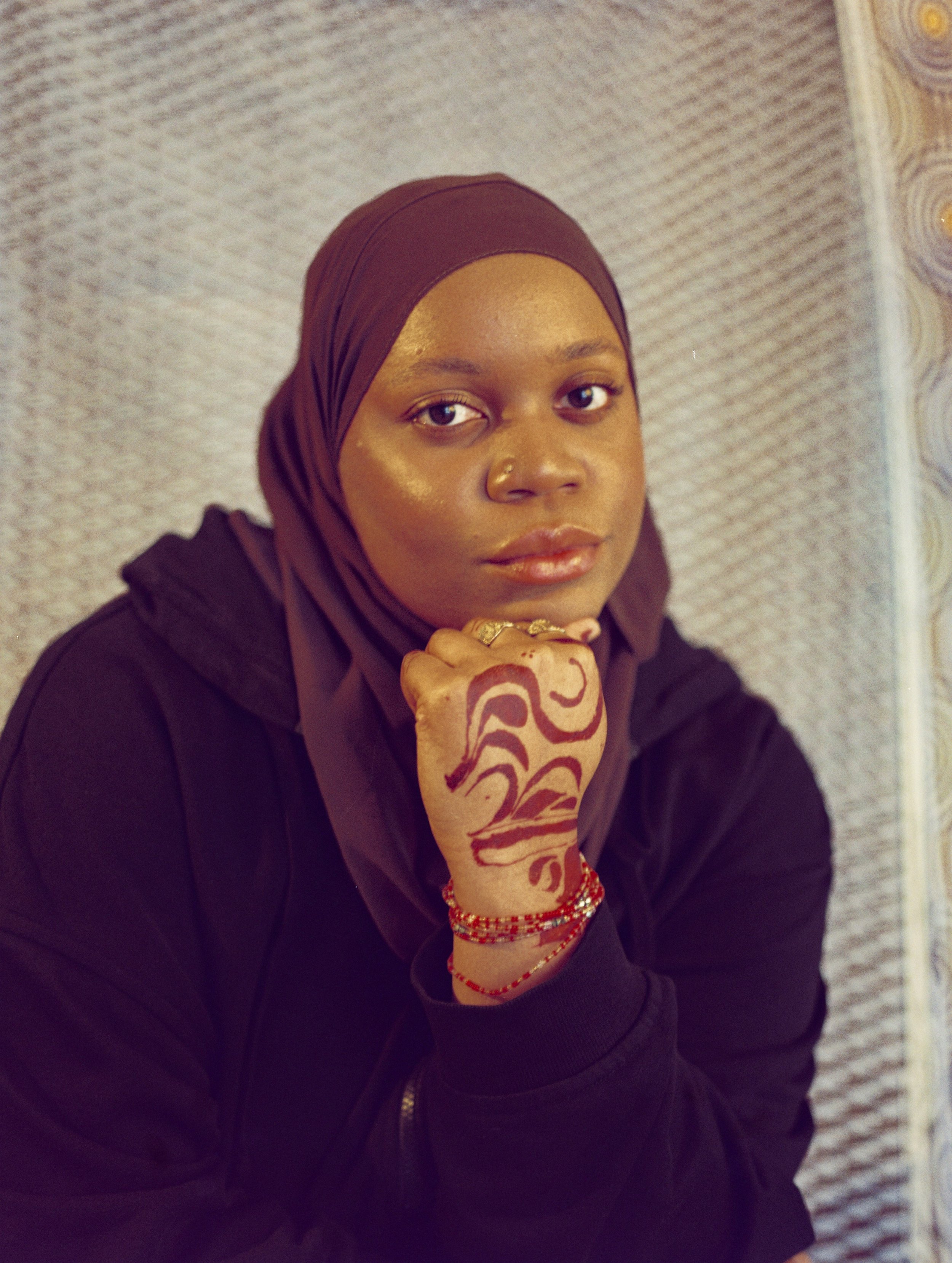
Awa: There's a softness in seeing ourselves in the gaze of our ancestors, away from conventional beauty practices. Our ancestors used beauty practices to self-express and communicate their identity, so why can't we do the same? Most people don't realise that henna originated from the Nile Valley area and spread to the Sahel. The Malian/Mauritanian tape-resist techniques mirror the geometric resist techniques on Malian textiles and are used to mark critical moments of womanhood such as weddings and naming ceremonies, and as a good luck charm for fertility and fortune.
“Being a black woman, it's a given for us to have artistry, beauty and fashion as part of the every day"
Chiemeka: At the MoCADA event, Elizabeth of the Queen's Gele showed an incredible gele tying demo.
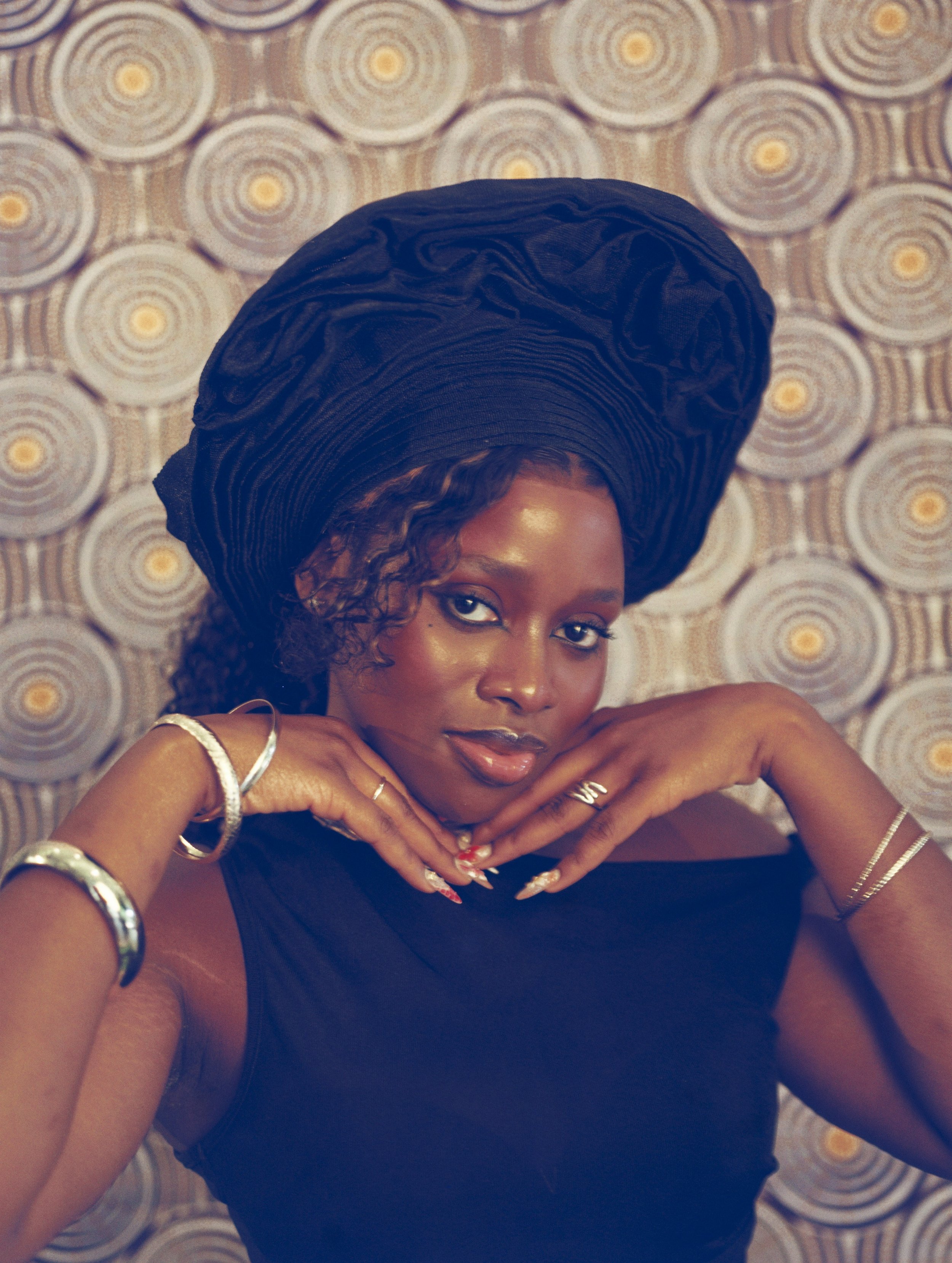
Awa: Although I'm not Yoruba or Igbo myself, I've been inspired by all the adopted Yoruba aunties I'd meet at Owambe and hall parties. I'd watch my mom and her girlfriends get ready, dressing in their elaborate geles, and for the Urhobo women, their uriofos. It was such a sight to behold as they stepped outside, so confident in their heritage clothing, which inspired me to be proudly West African. That wearable masterpiece is something I'd love to see more younger and first-gen Nigerian women appreciate in their everyday attire.
Beauty is not only external for African women, it's also internal. Living in the West has created gut issues for our health. So, at the event we also offered baobab tea and fermented plantain wine to heal ourselves because no one else was going to do it.
Chiemeka: What are some early memories you hold with these forms of beauty practices?
Awa: I lived in Mali from age five to age eight where I come from a family of women merchants on my grandmother's side, and on my grandfather's side, a diviner/scholar caste. My grandma is a big inspiration. One of my aunts does bazin textile dyeing while my other aunt sells woussoulan, which is African incense. So you can say that I come from a family where they do a lot of artisan work. It's crazy that we don't label these people around us as artists. Their work isn’t in a museum but it is wearable art.
Later on, I went to FIT high school in NYC, and my mom was always the fashion queen – the most stylish person in the room. I would shop in her closet and wear her clothes to school. Being a Black woman, it's a given for us to have artistry, beauty and fashion as part of the every day. What made me want to revive this through Den Muso, is that I stopped seeing the gatherings, the hall parties. Being working class Nigerians in New York City is very different from being a suburban Nigerian American.
Chiemeka: What do you hope for the future of Den Muso?
Awa: Den Muso is an amalgamation of my life and all the women that have impacted me, inspired me and contributed to me rediscovering and revisiting ancient West African beauty, art and practice. I want this project to live on for Black women, for African women, so they don’t forget their identity and their unique self-expression... It's really for daughters of the diaspora to be in community, to learn together, and to pass these rituals down.
Chiemeka: I have found sisters through the creative family you have built. The worlds we create together are exactly the ones our younger selves so deeply craved to belong in. Thank you.