
The curatorial team behind ‘Fashion_The Image’ on the cultural power of African fashion photography
Before it becomes an industry, product or art form, fashion begins on the body – an instinctive act of becoming, expression and response. Like photography, it records our present and remembers our past. The opening of ‘Fashion_The Image: African Fashion Photography in Focus’ positions Johannesburg as a cultural epicentre uniting these crafts. Featuring over 60 photographs, films and videos, the survey span five decades and sparks dialogue about the power of image-making to shape South African’s collective psyche.
The exhibition dominates the sprawling Forest Town home of the Inside Out Centre for the Arts and the Roger Ballen Centre for Photography. Curation comes from fashion director and stylist, Sharon Armstrong and Wanted editor-in-chief Aspasia Karras, and was developed in collaboration with the African Fashion Research Institute’s Dr Erica de Greef and Ayabukwa Magocoba. The six-month-long project began with the intention to stage a show acknowledging how widely fashion photography is consumed, while recognising how little it has been historicised as a site of South African or African contribution.
The result is a conference of more than 100 of Africa’s leading image-makers, stylists, models, creative directors and collaborators. Photographs, films and installations blend seamlessly throughout multiple galleries, complemented by a dynamic programme of public workshops, fashion shows, walkabouts and masterclasses. Equally educational and celebratory, it is an attempt to open up an industry that often feels exclusive and to share knowledge across generations. The exhibition, what Armstrong describes as a “living magazine”, becomes a space of access as it brings audiences into conversations typically reserved for industry circles.
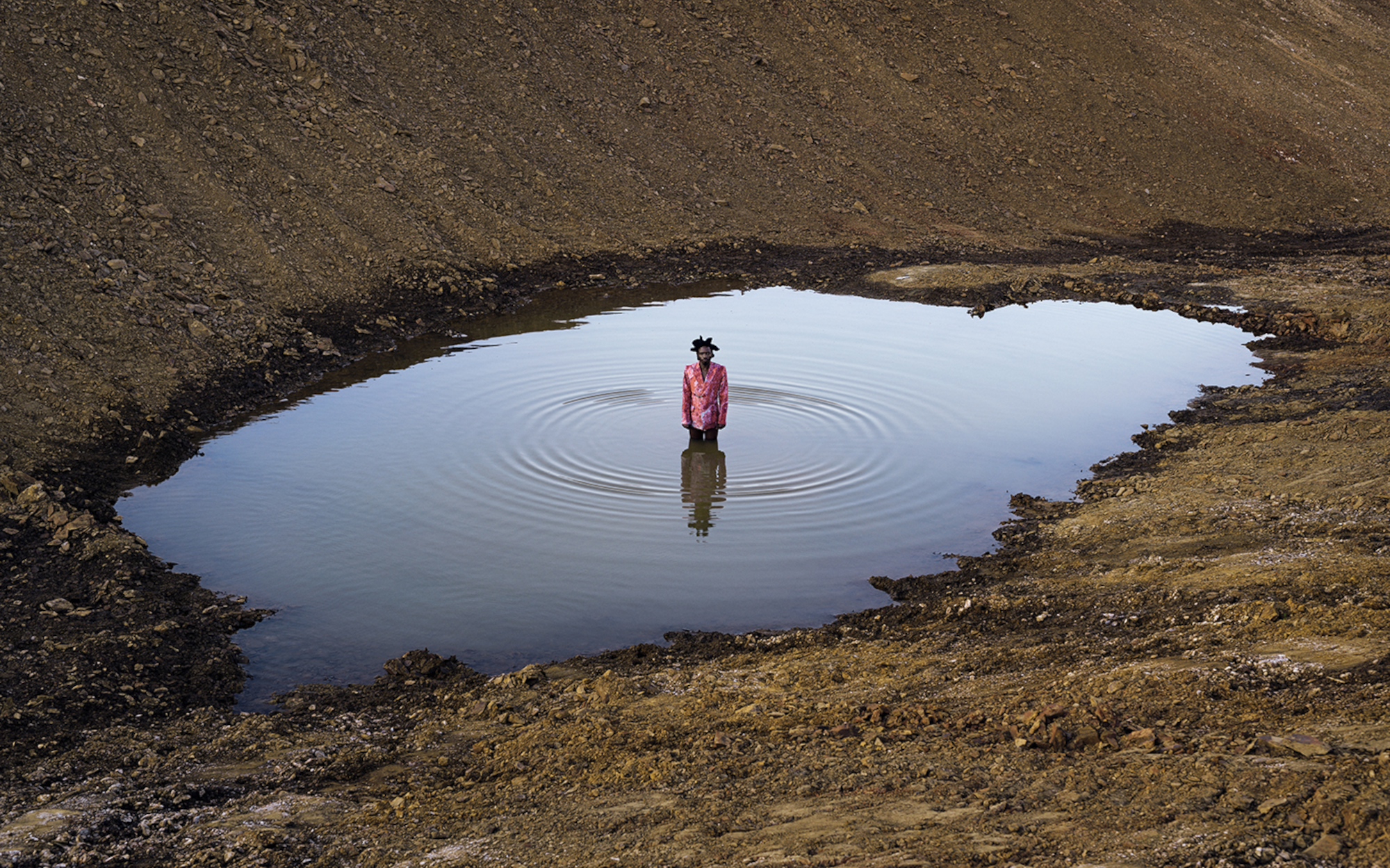
Black Coffee, photography Kevin Mackintosh, 2020
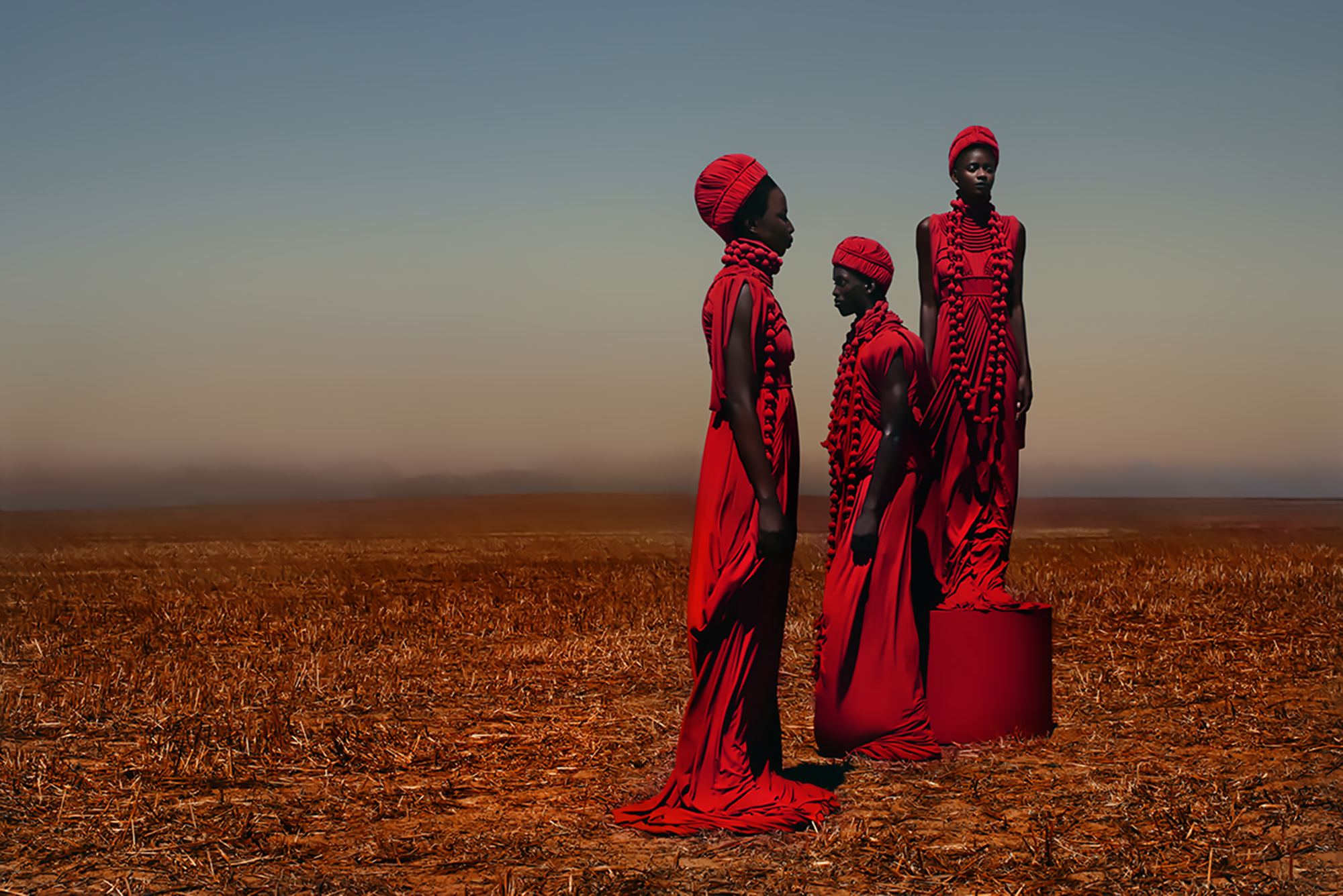
Connade, Photography Shelley Mokoena
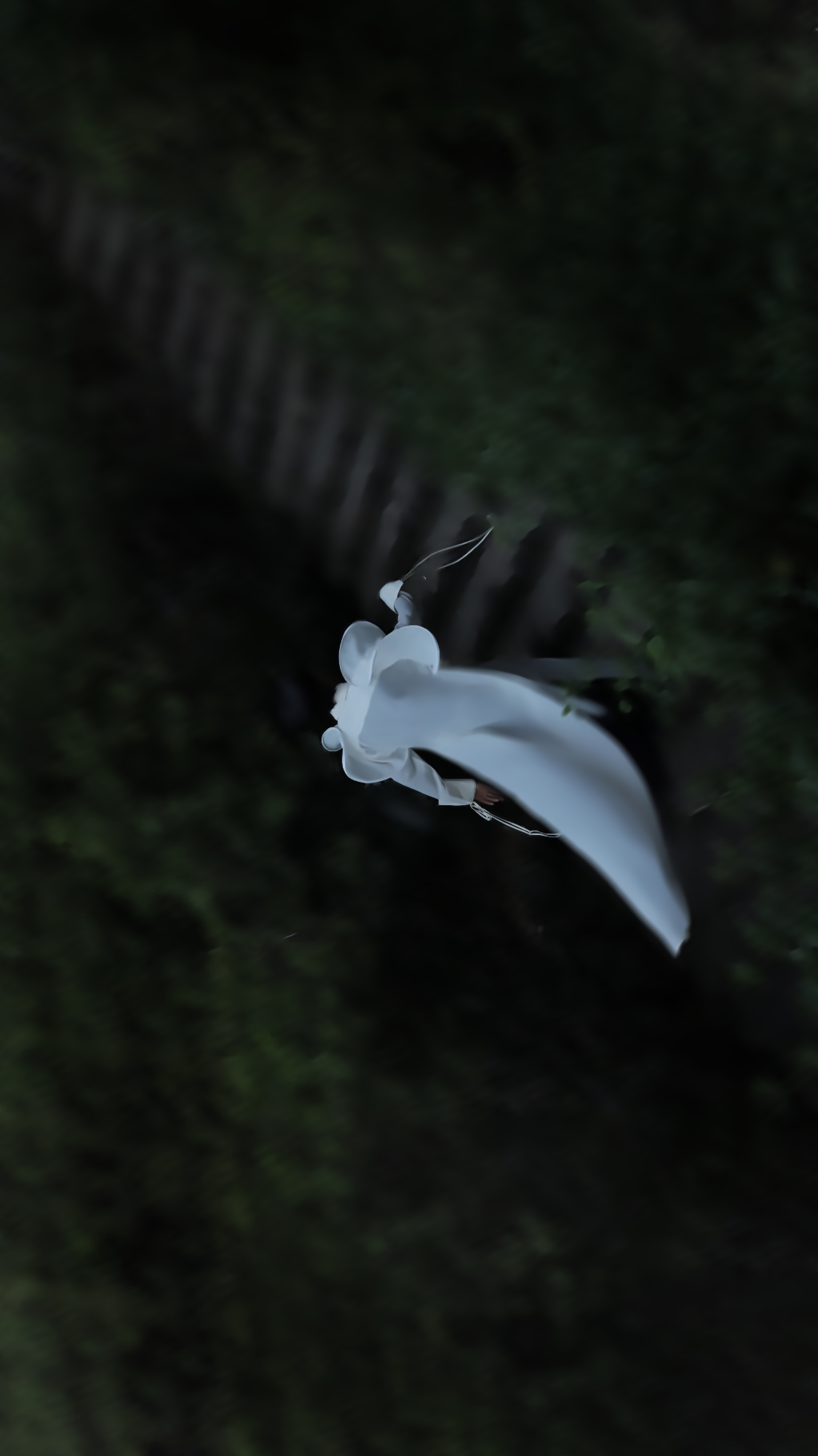
Fikile Sokhulu, ohotography Paul Shiakallis
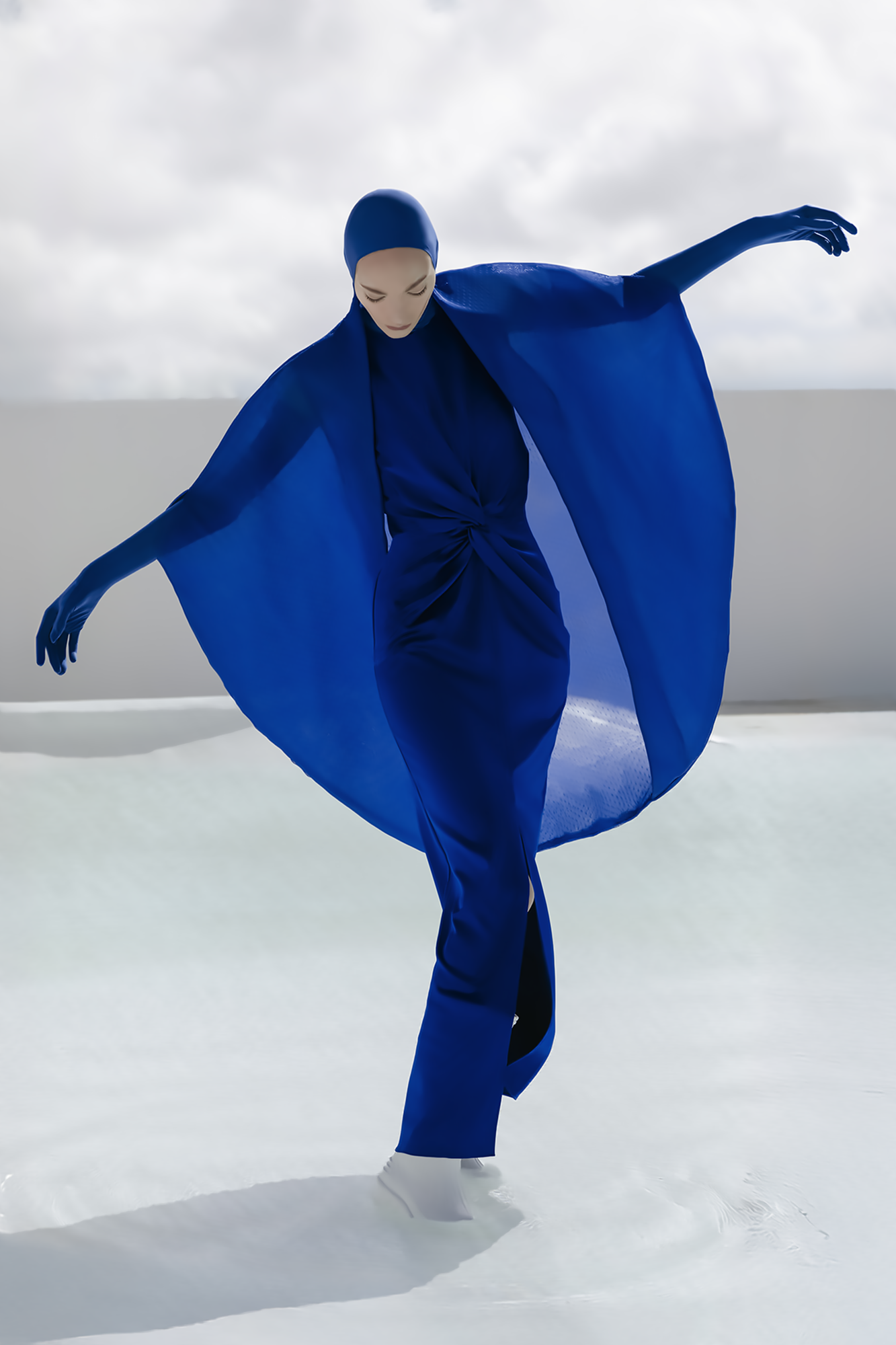
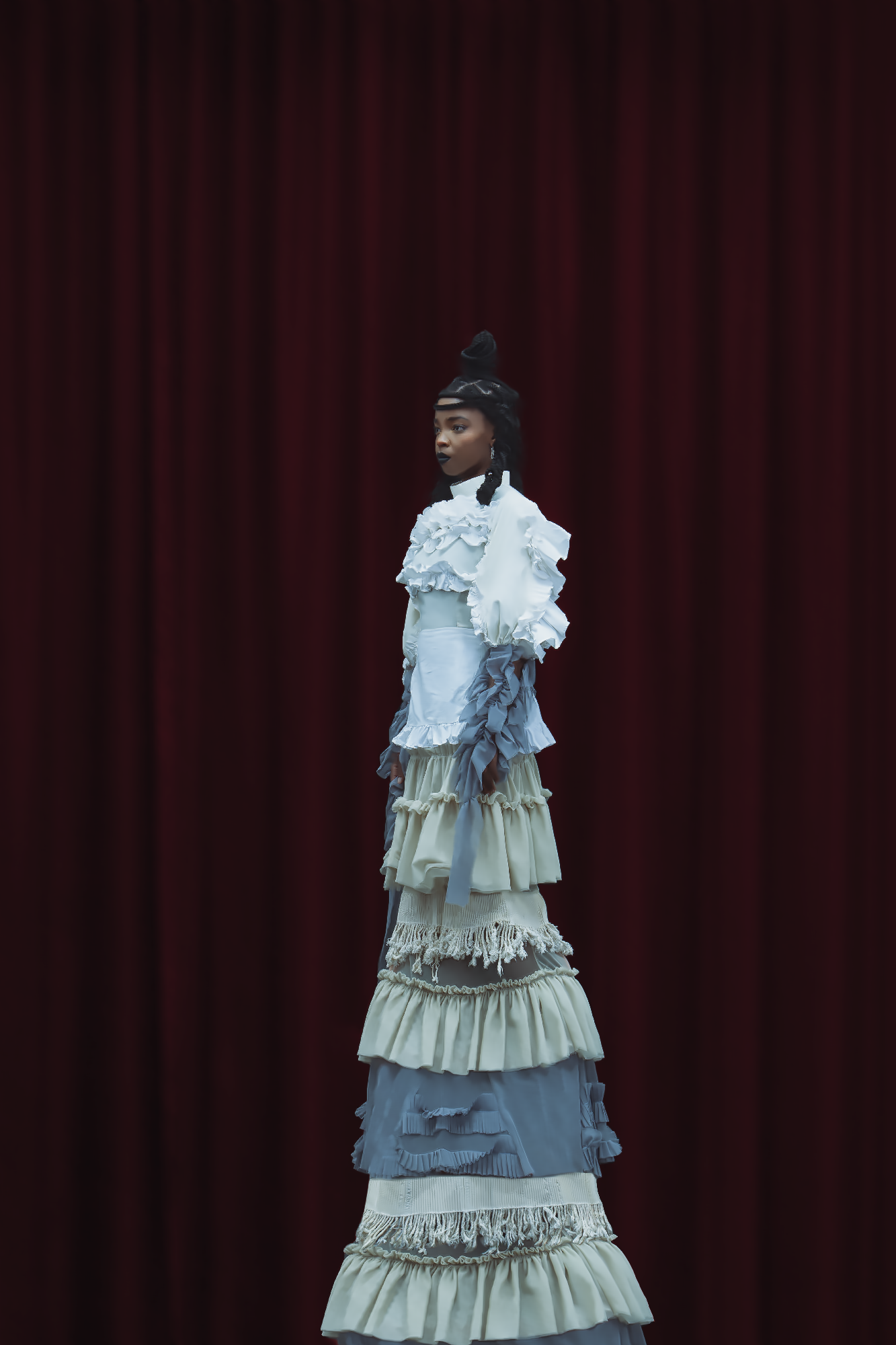
Gavin Rajah, photographer Michael Oliver Love
Alongside the exhibition is a retrospective of Lesotho-born, Paris-based image-maker Koto Bolofo. Presented in South Africa for the first time, it traverses the renowned artist’s career to examine how his visual language has shaped the art of international fashion photography. From his soaring monochromatic ‘Harlem Basketball Ballet Series’ to later images defined by movement and colour, Bolofo’s photographs move fluidly between local specificity and global resonance.
“It was about looking through the archive, but also at the archive,” reflects junior curator and researcher Ayabukwa Magocoba, describing it as something with “its own life.” For her, curating Bolofo’s work, which spans from the 1980s to the present, became an “inspiring” exchange between a young curator and a photographer whose signature remains influential, yet still somewhat unfamiliar within a Southern African context. When many images of Africans focused on poverty and Apartheid, Bolofo’s 1997 ‘Soweto Series’ celebrates the vitality and cultural power of Black communities. Magocoba notes, “It wasn’t poverty porn. It was a unique, boundary-pushing representation.”
“Drawing on art, vernacular portraiture and collaboration, fashion photography is a dynamic, collective practice"
The exhibition also introduces ‘Utopian Lands’ at the Inside Out Centre, as part of the long-running ‘End of the Game’ installation. It places fashion imagery in conversation with themes of land, materials, ecology and consumption, featuring images by Roger Ballen, Kevin Mackintosh, Ross Garrett, Chris Saunders and Tatenda Chidora. “Drawing on art, vernacular portraiture and collaboration, fashion photography is shown here as a dynamic, collective practice – one that records the present while shaping what comes next,” the curatorial statement states.
As you move through the show, each gallery card acknowledges not only the photographer and designer, but the full team behind the image – creative directors, stylists, hair and make-up artists, models and management. In doing so, Armstrong and Karras foreground fashion photography as a collective practice rather than the product of a single visionary. As Karras notes, “It’s an ecosystem that builds that one image. It doesn’t just happen.” Armstrong jokes that the catalogue reads like a roll call of everyone she’s ever worked with. Among it are designers Thebe Magugu, UNI FORM, Connade, Rich Mnisi, Fikile Sokhulu, Gavin Rajah and Viviers; creatives such as BOYDE, Nhalanhla Masemola, Black Coffee and Gert-Johan Coetzee; photographers Aart Verrips, Paul Shiakallis, Kristin-Lee Moolman, Michael Oliver Love, and Andile Buka; and stylists including Nao Serati Mofammere, Chloe Andrea Welgemoed, Louw Kotze and Armstrong herself.
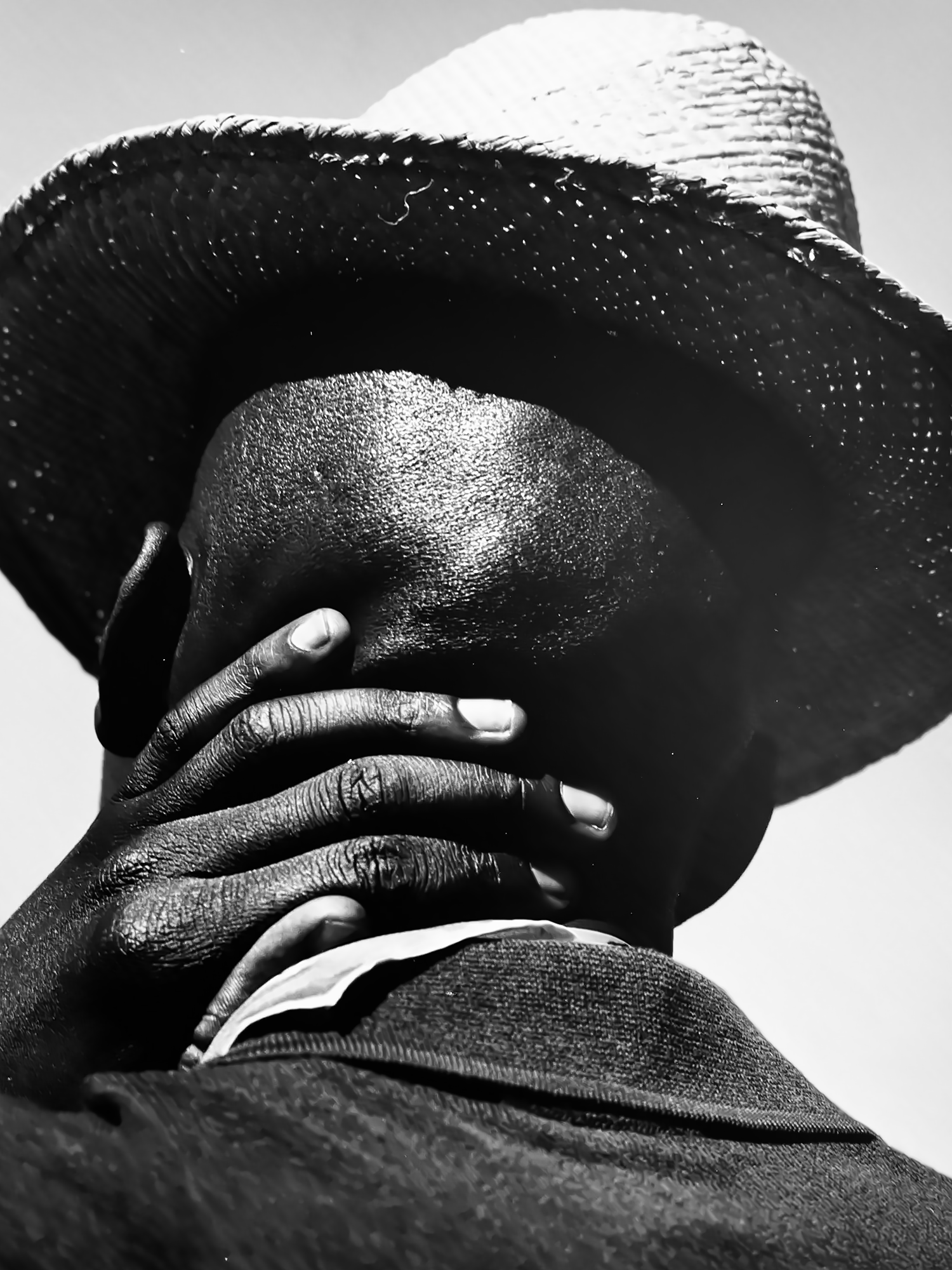
Koto Bolofo, Soweto Series, 1997
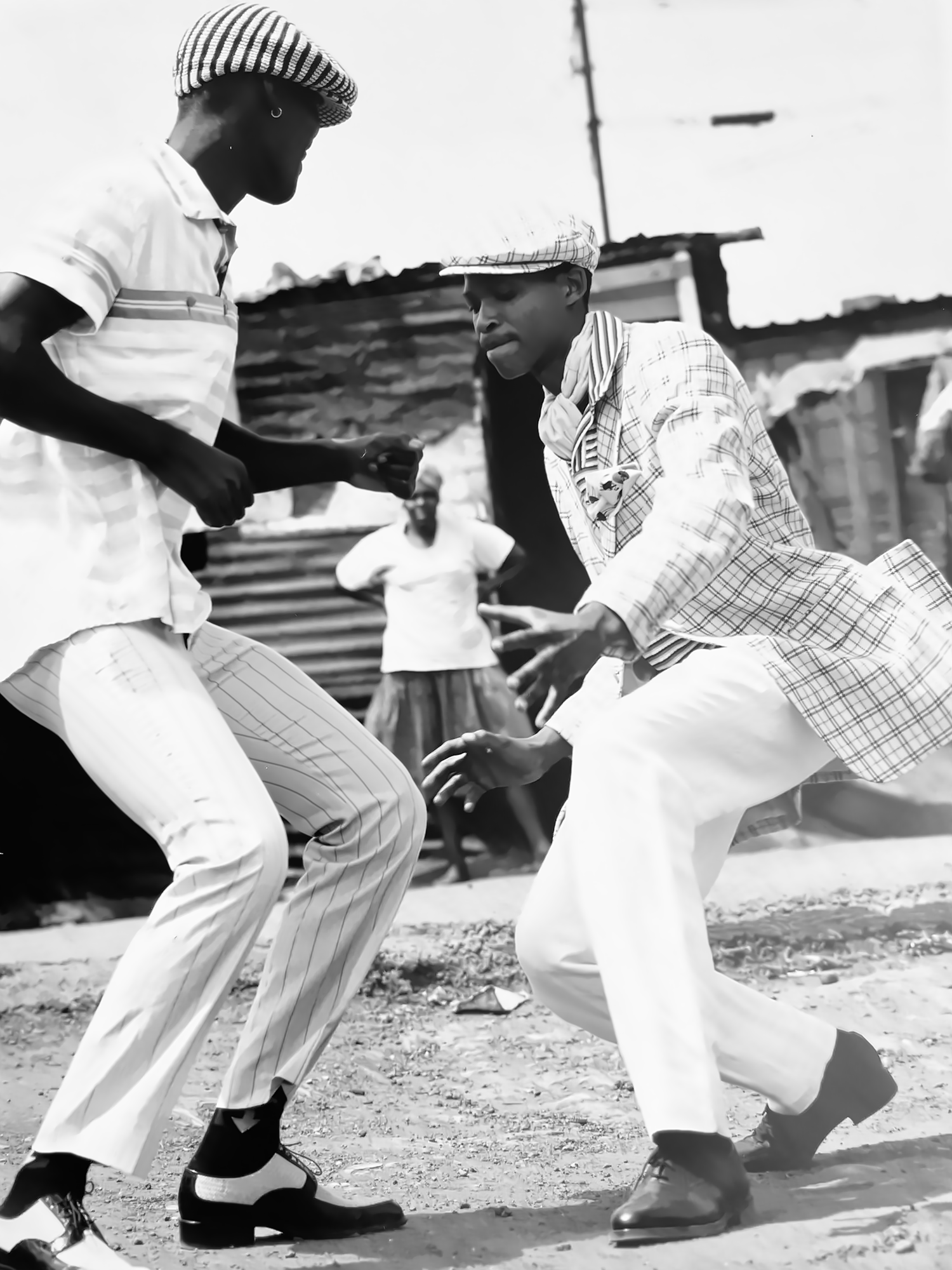
Koto Bolofo, Soweto Series, 1997
‘Fashion_The Image’ comprises works that not only launched careers but also shaped the perception and experience of African fashion, underlining fashion photography’s duality as a commercial instrument and a cultural artefact. In a world dominated by fast fashion, fleeting Instagram stories, and endless TikTok scrolls, fashion imagery often moves at breakneck speed. But for those of us who grew up tearing pages from magazines and pinning them to our walls, the exhibition rekindles that reverence for the art form. “The images must be sticky,” Karras muses, describing how certain photographs linger in memory and imagination. And now, as AI now takes over our lives, she furthers that physical media matters more than ever. These carefully constructed editorials exist as art, capable of transforming the lives of those who see them and those who conspired to create them.
And for most of them, Johannesburg is the place to be for this to happen. “Johannesburg has the energy that drives joy, grit and creative impulse. It’s the kind of African city that makes things happen,” exclaims Karras. “It's the centre of the universe.” Even in a chronically underfunded arts and culture sector, brilliance is engineered and executed, reaching audiences locally and internationally. Armstrong points out that none of the images in the show were backed by big budgets, yet they could compete anywhere. “That’s very Joburg: you make a plan, you find a way, and you produce world-class work,” she asserts. The city itself reflects this, thriving on quick wit, improvisation, determination and a healthy dose of “chutzpah,” as Karras observes. The exhibition conveys resourcefulness and creativity in every detail, lending it a liveliness unique to Johannesburg.
Yet threaded through this is an inherent tension. Fashion, with all its allure, holds a certain brutality which the exhibition invites visitors to confront. At once generative and destructive, fashion is one of the world’s most polluting industries, contributing to environmental harm, yet it remains inextricably linked to the natural world – reliant on its materials, labour and inspirations. By holding these contradictions in view, the show offers a nuanced understanding of fashion’s role within both culture and ecology.
“Johannesburg has the energy that drives joy, grit and creative impulse to make things happen"
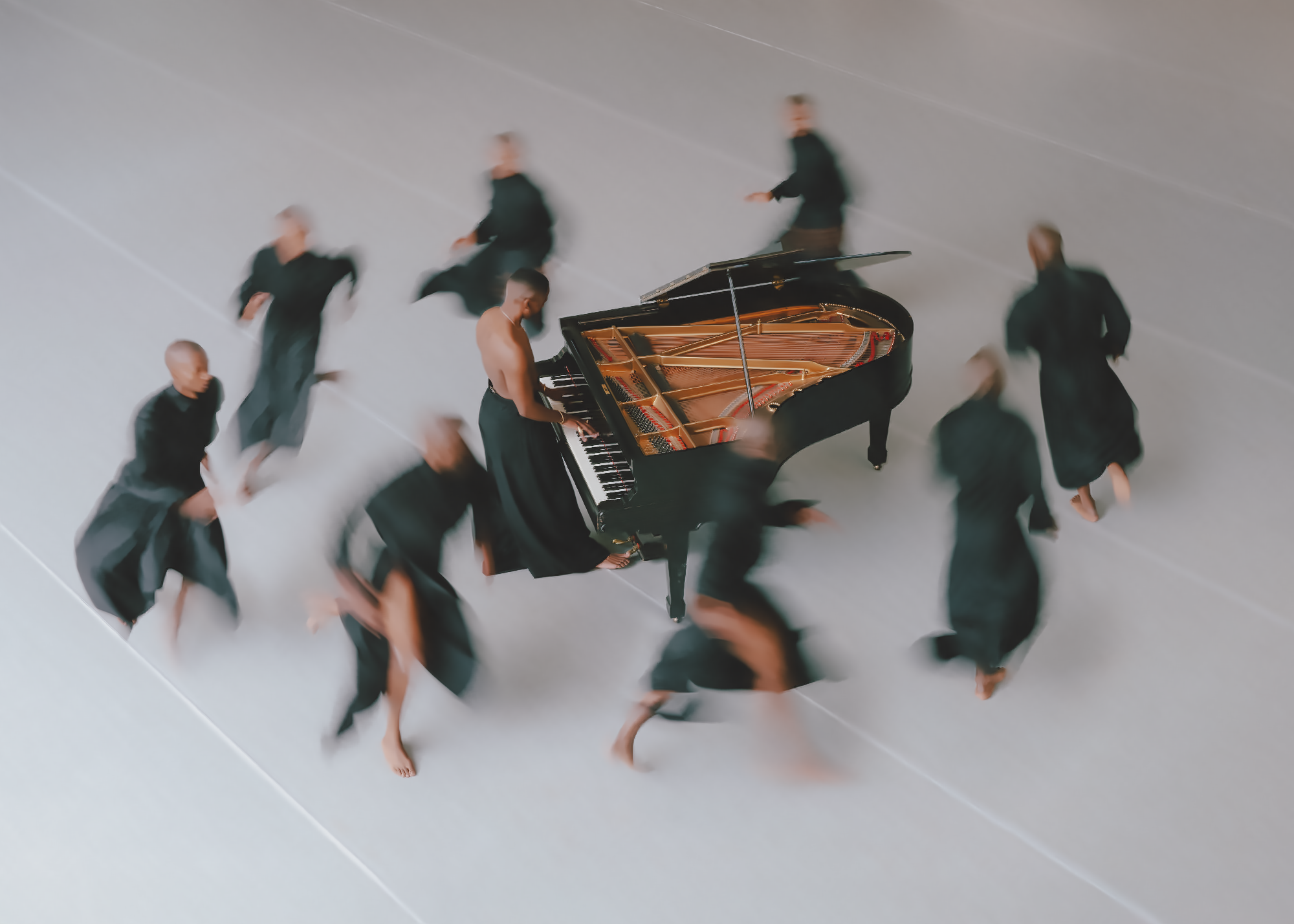
UNI FORM, photographer Aart Verrips
Fashion also sits at the core of how we understand ourselves. It is one of the most immediate and accessible forms of self-expression as we negotiate between identity, aspiration and context. Armstrong emphasises that what we wear signals not only taste but alignment: who and what we choose to support, and how we situate ourselves within a broader cultural landscape. In this way, fashion is both personal and political. Investing in local design extends beyond aesthetics into an ethical and economic commitment that sustains creative ecosystems while railing against exploitative modes of production. These choices carry increasing weight in a moment where authorship, sustainability and representation feel especially urgent.
Fashion returns us to something primal and inherently human. We have always used clothing as a means of articulating our presence and place in the world, and the act of dressing is a deliberate mediation of identity. For Karras, this is a rare and universal point of access to creativity – a space where anyone can engage with their own imaginative potential. “You may not be able to draw, but you can certainly dress.” Meanwhile Armstrong echoes a sentiment by Koto Bolofo – that for decades, the world has looked to Africa to extract its visual language and recirculate it elsewhere. “And here we are looking at ourselves, celebrating ourselves, and hopefully inspiring.” What emerges in the exhibition is a moment of self-definition and imagination for the future.
‘Fashion_The Image: African Fashion Photography in Focus’ is on show until 31 May at the Inside Out Foundation, Johannesburg.