
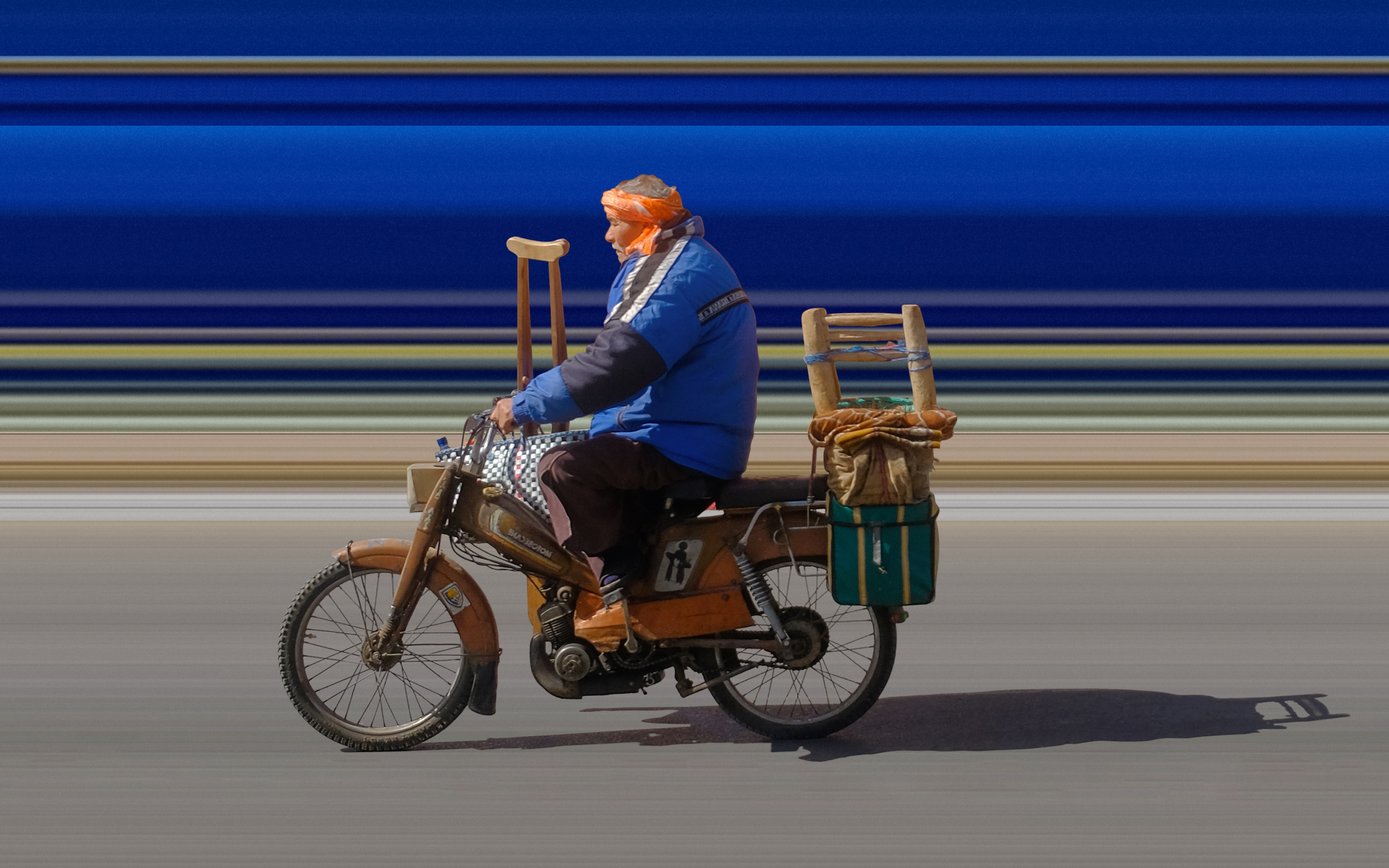
ABLAKASSA unfolds a multi-sensory experience steeped in the quiet power of blue at 1-54 Marrakech
Each year during 1-54 Marrakech, the city becomes a playground for discovery. And this time around, cultural hub DaDa promises to delight both the soul and the senses thanks to ABLAKASSA. Founded in 2024 by Ivorian artist and designer Jean-Servais Somian and Franco-Rwandan curator Roger Karera, the curatorial platform breaks the art fair mould with its convivial and nurturing happenings. “Our ambition is to create social spaces for art in Africa — open, inclusive and rooted in sharing,” explains Karera. As one of 1-54’s Special Projects, ‘In Between Blues’ takes this mission forward through an exploration of the myriad cultural and spiritual resonances buried within blue. From Yves Klein to Majorelle, and from indigo cloth to ocean passages, the colour strikes a mercurial chord in us all. Expect thoughtful artworks by the likes of Barthélémy Toguomy, Abdoulaye Konaté, Girma Berta and Awa Maïté alongside jazz sounds, chocolate offerings, enlightening conversations and more. Here, Karera unfolds the ABLAKASSA vision.
What drives ABLAKASSA?
Inspired by Bisi Silva [the Lagos-based curator who advocated for supporting homegrown scenes, and sadly passed away in 2019], ABLAKASSA goes beyond the exhibition format to help build a resilient creative ecosystem and to equip young Africans with the tools to tell their own stories. Without exclusivity, rigid models, or commercial pressure, ABLAKASSA fosters collaboration, artistic freedom and community engagement through site-specific experiences. Each year, in a different African country, an atypical venue becomes a platform for exhibitions, residencies, educational programmes and encounters.
“Our ambition is to creating social spaces for art in Africa — open, inclusive and rooted in sharing"
How has the platform’s journey been so far?
What began as a one-off gathering in Côte d’Ivoire in 2024, bringing together more than 35 African and diasporic artists, has since evolved into a travelling project that challenges conventional formats and encourages experimentation. After Marrakech, the next step will be a retreat during Abidjan Art Week centred on slowness, artistic discovery and human connection.
What can you tell us about the magic of all things blue.
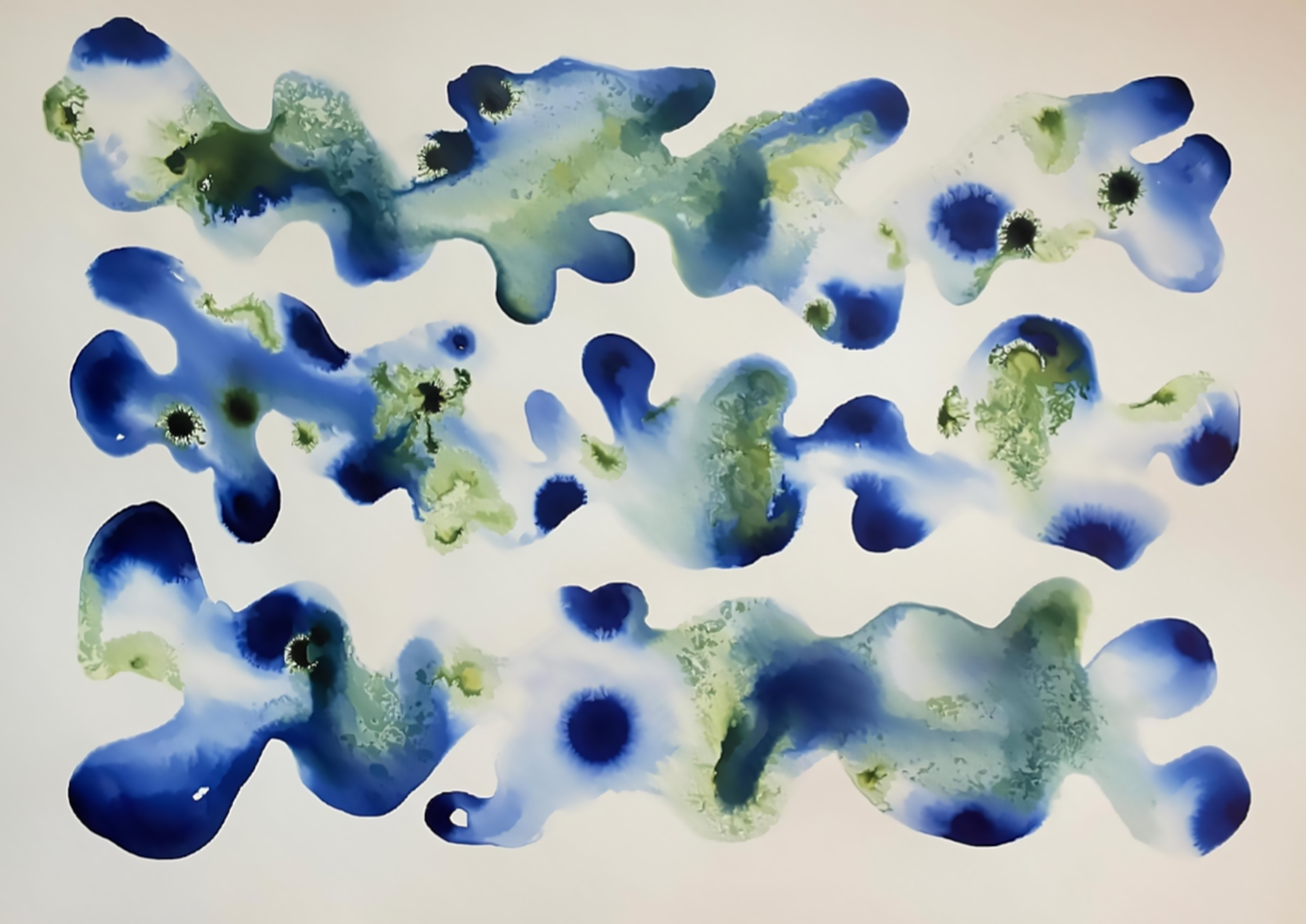
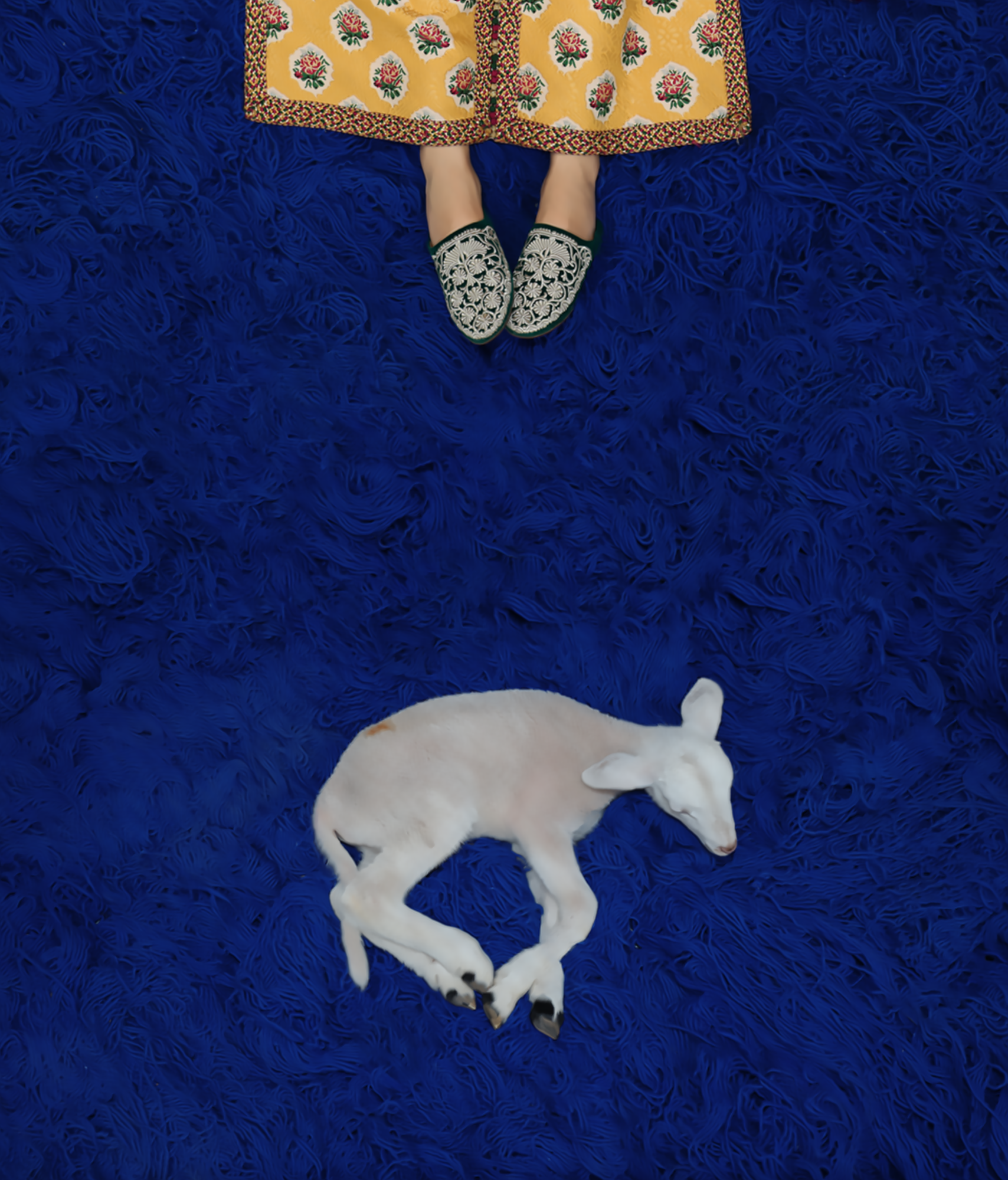
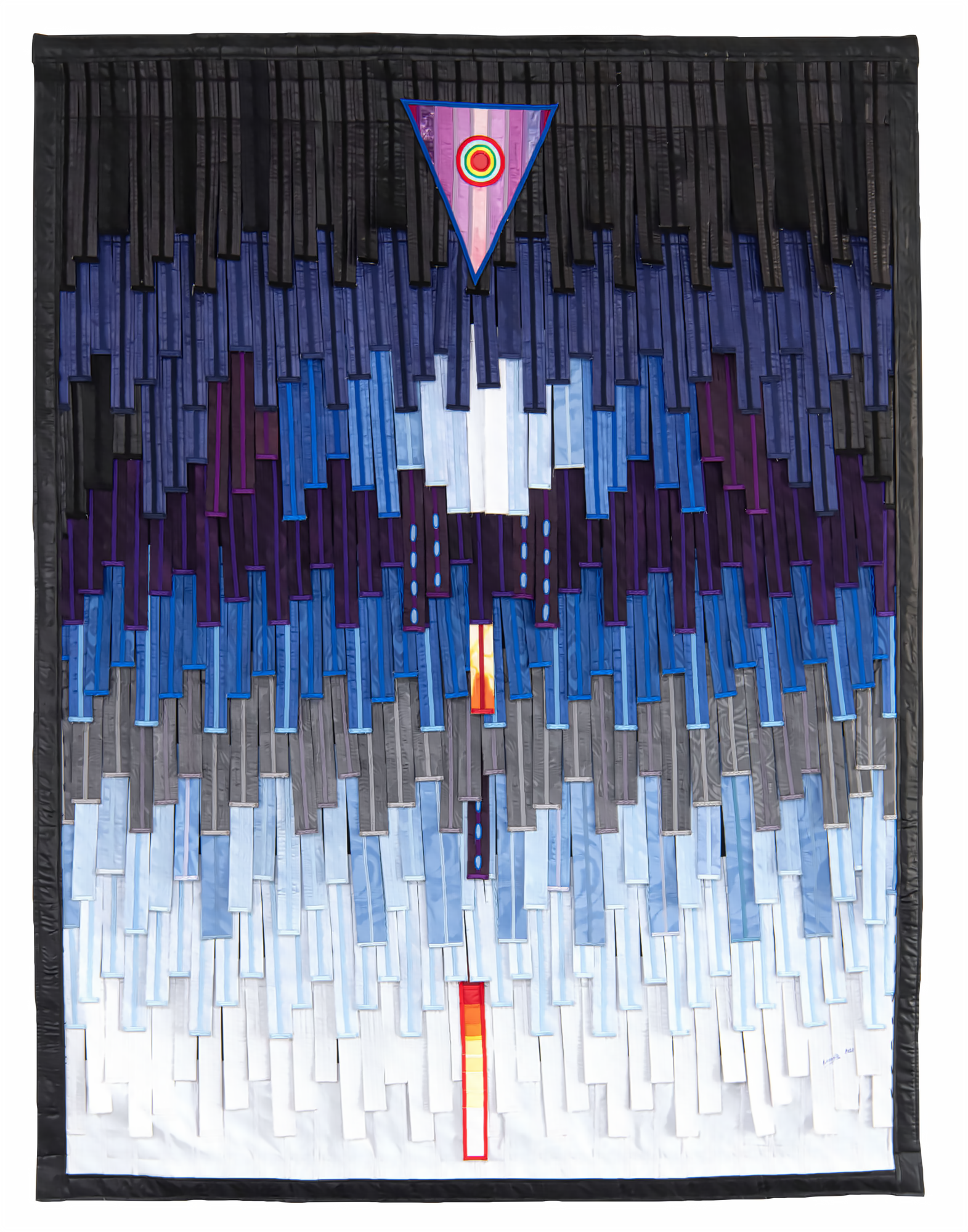
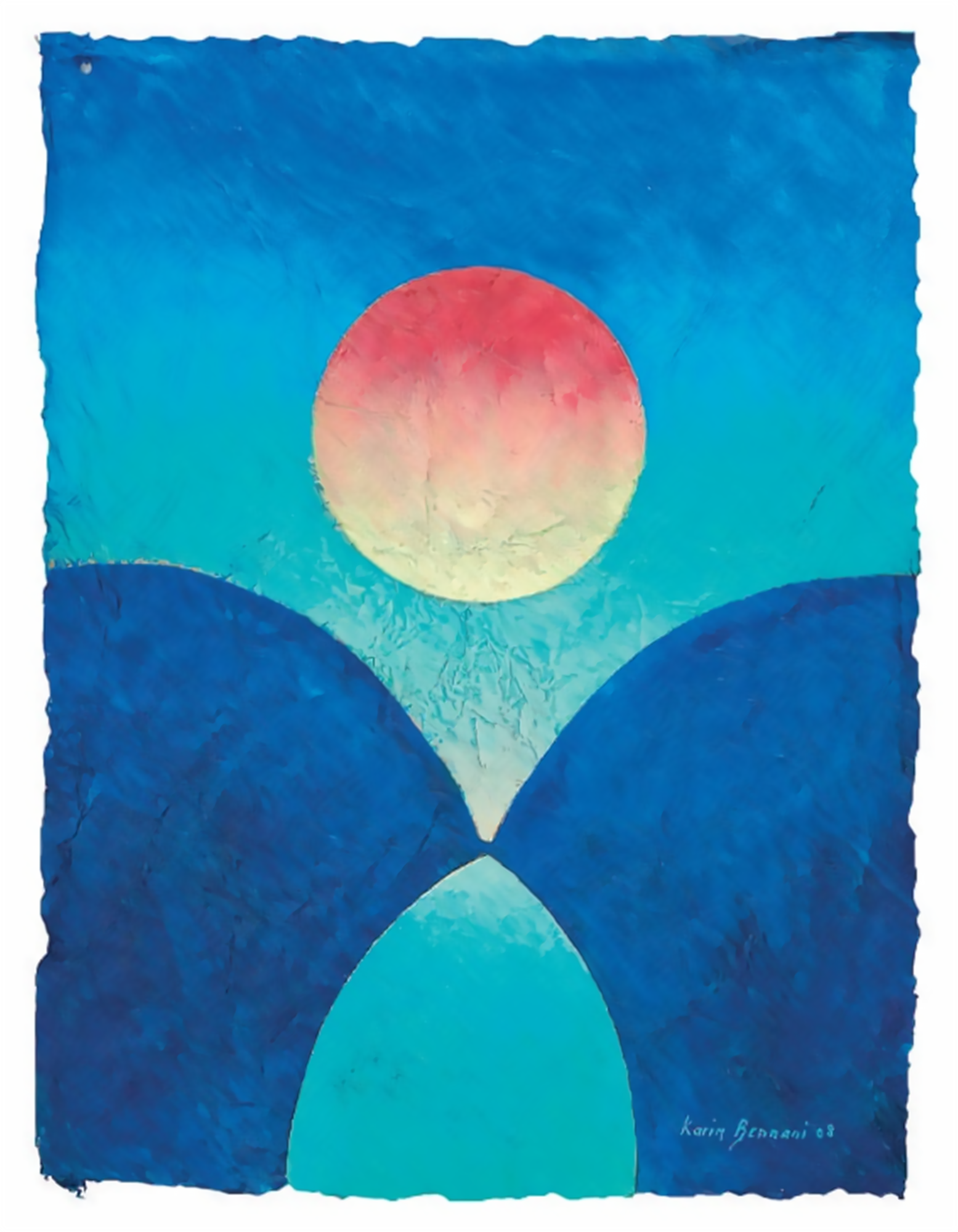
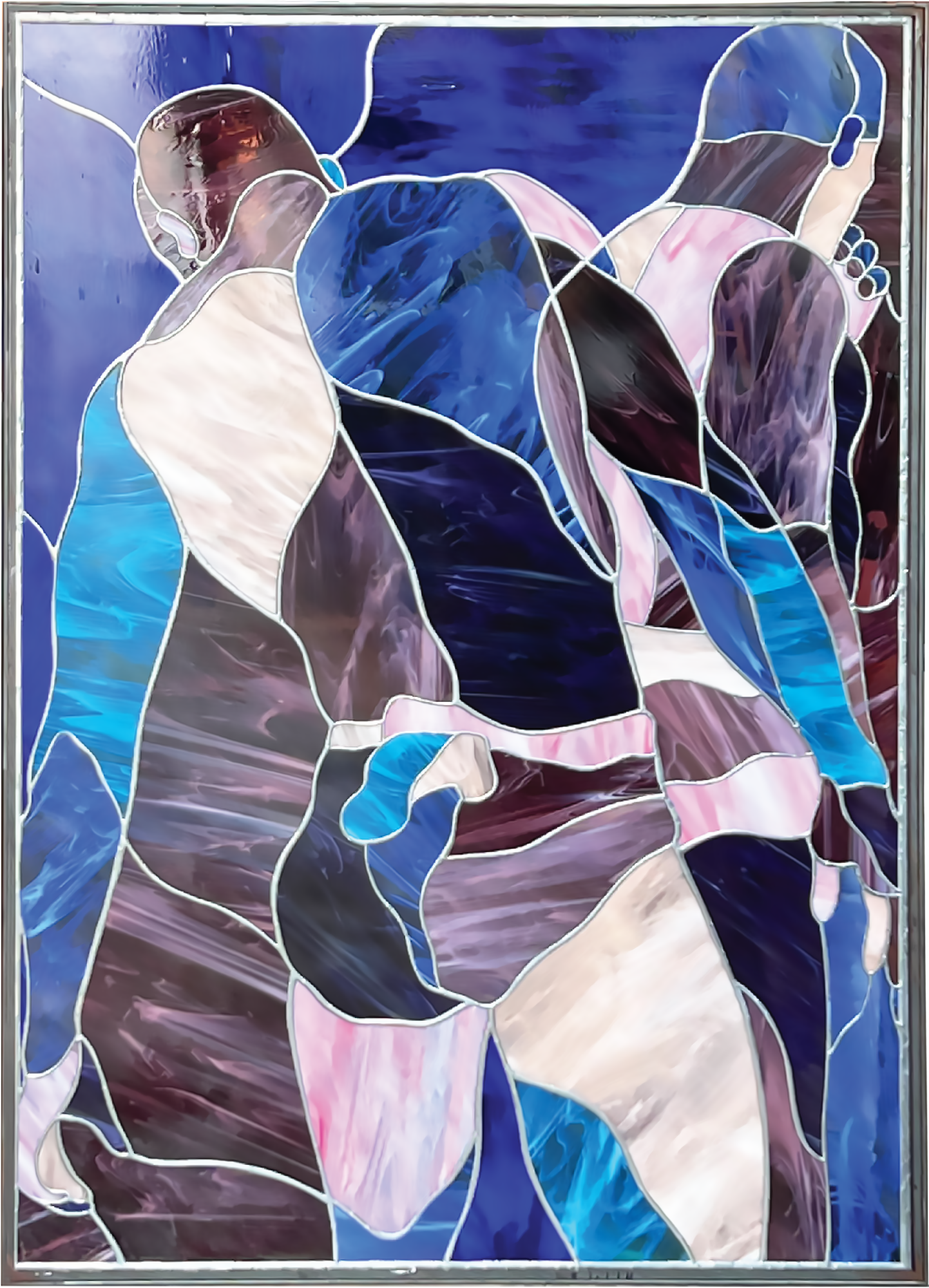
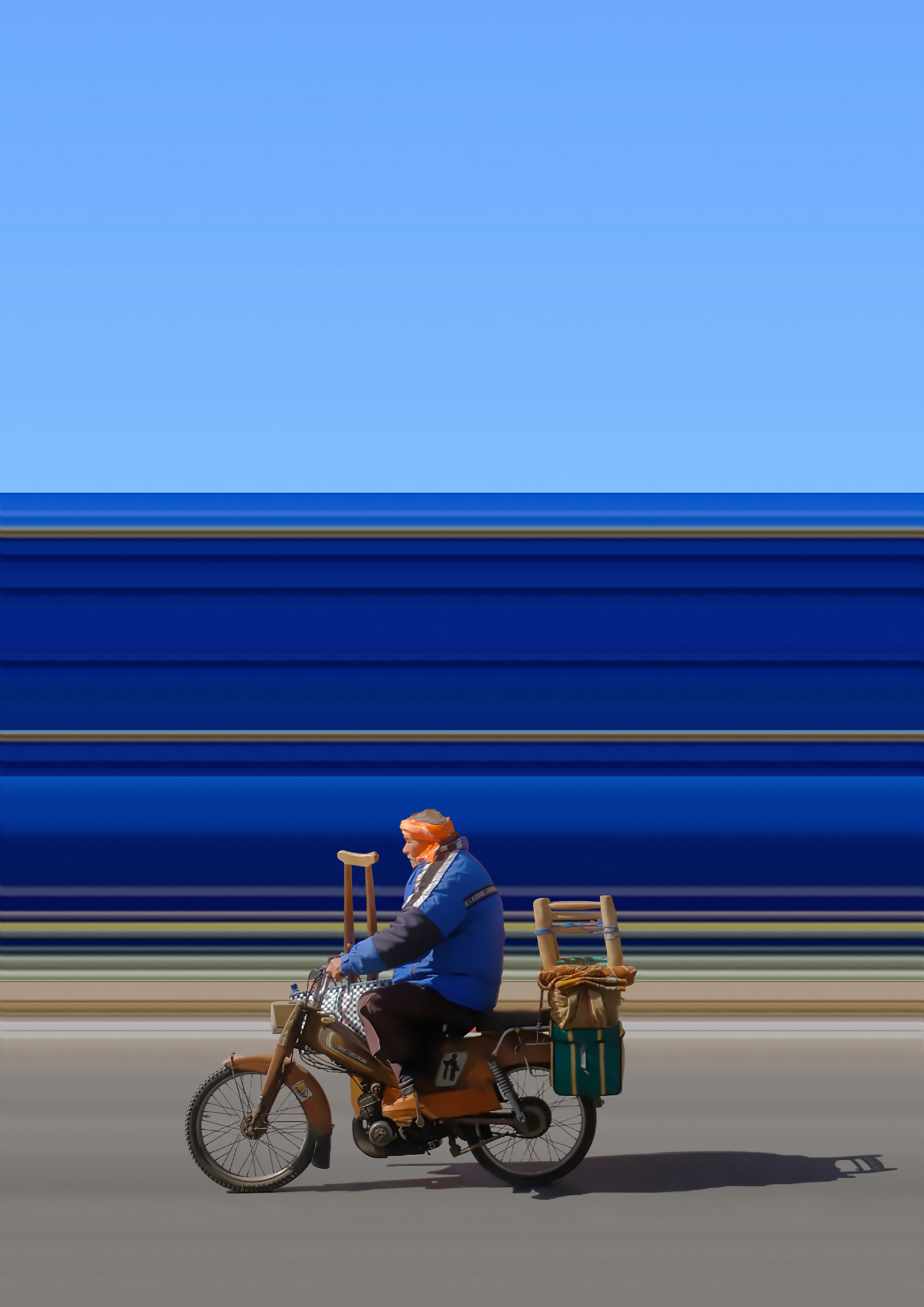
Blue is never neutral. It is a vibration before it becomes a colour, a state before it becomes a surface. It inhabits memory, moves through bodies and circulates between worlds. In the show, blue is approached not as a motif but as a living territory — one that carries histories, emotions and transitions. It exists between the visible and the invisible, the intimate and the collective, the material and the spiritual. Conceived as an immersive journey unfolding across several sections — art, design, jazz, chocolate tasting, fashion and gastronomy — the project explores blue as matter, metaphor and narrative force. We wanted to create a space where everyone feels welcome. In addition, it is a subtle tribute to some of Morocco’s iconic blue landmarks, from Jardin Majorelle to Chefchaouen.
In what ways does this project challenge the norms of a traditional art fair exhibition?
Over the past five years, I have worked with several galleries and travelled extensively to art fairs. What I observed is that people are increasingly seeking human experiences rather than being treated as numbers. That is why we wanted to include experiences that speak both to seasoned art-fair visitors and to people who may simply want to listen to music or enjoy the space. The key word for us is interconnection — and the recognition of all forms of art and craftsmanship. We strongly believe in collaboration between the different actors of the art ecosystem.
How have you approached the curation of collaborators?
In my curatorial practice, I begin by defining a conceptual thread that can unite all participants. I am drawn to themes that are universal but find their answers in each artist’s specific context. That is also why I often conceive projects in chapters, like a book or a theatrical play. The selection of artists usually comes at a later stage in the process. I want to give space to everyone, and the dialogue between generations is central to my approach. It is important that established masters are celebrated alongside emerging voices. The guiding principle is coherence — both in the narrative and in the spatial experience.
“Blue inhabits memory, moves through bodies and circulates between worlds"
Could you highlight a few artists and what they bring to this dialogue?
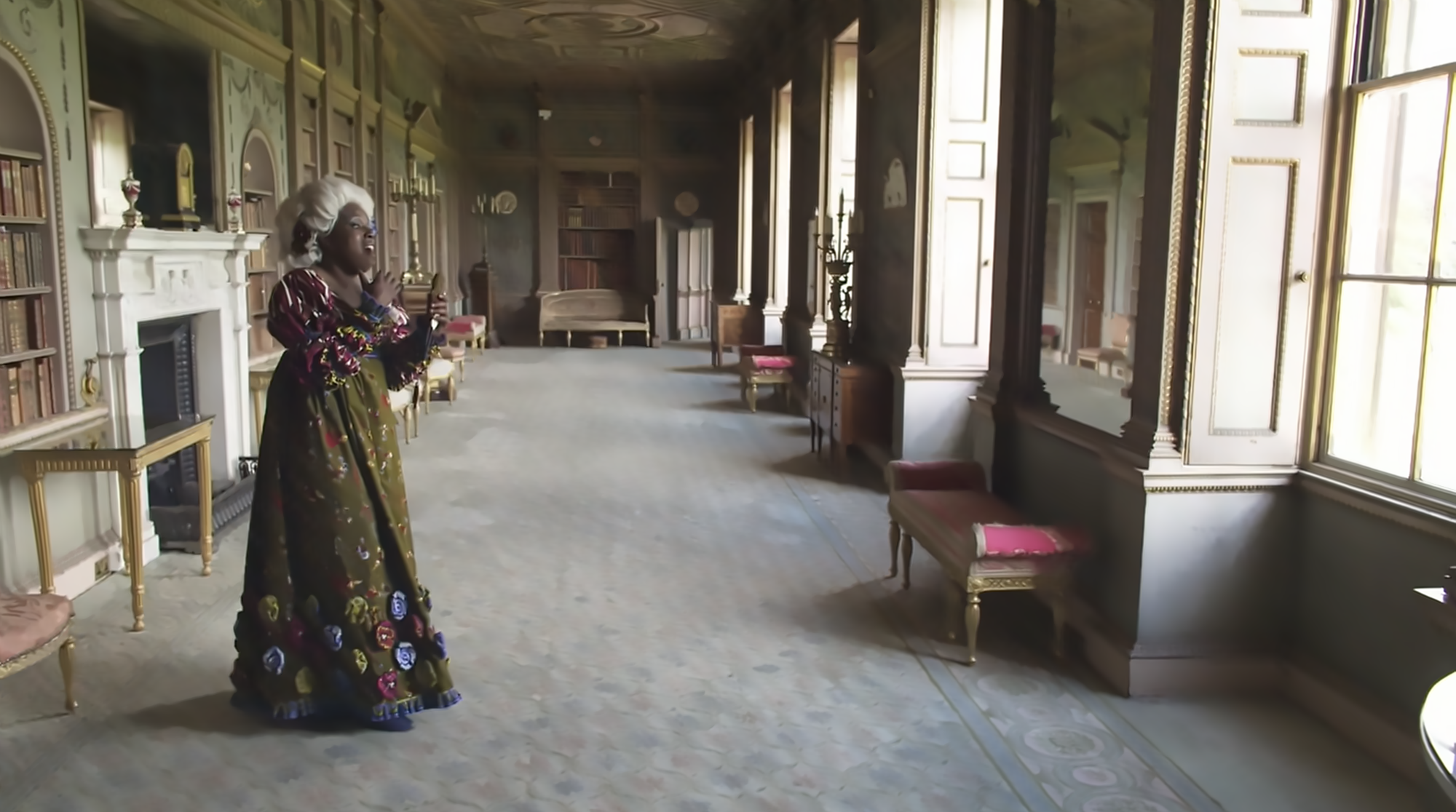
I would start with Yinka Shonibare CBE. It is important for us to include artists who are global in their reach, rooted in African histories, yet speaking to universal audiences. Through ‘Addio del Passato’, inspired by La Traviata, Shonibare weaves together opera, history and theatricality to question memory and the narratives of the body.
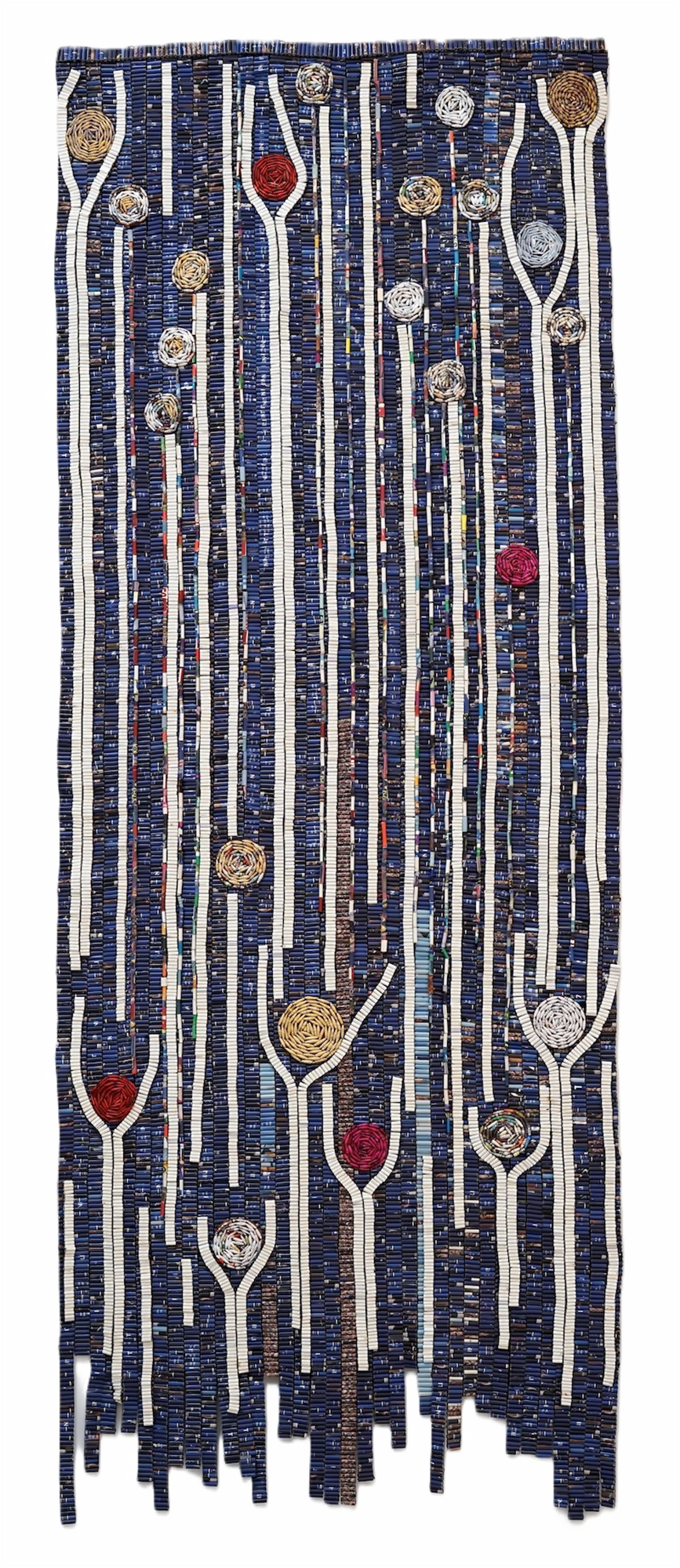
Another key figure is Sanaa Gateja. ABLAKASSA celebrates great masters whose practices move seamlessly between craft and fine art. Gateja’s tapestry work combines remarkable artisanal techniques with an almost sacred dimension. I believe both Moroccan and international audiences will be deeply moved by his work.
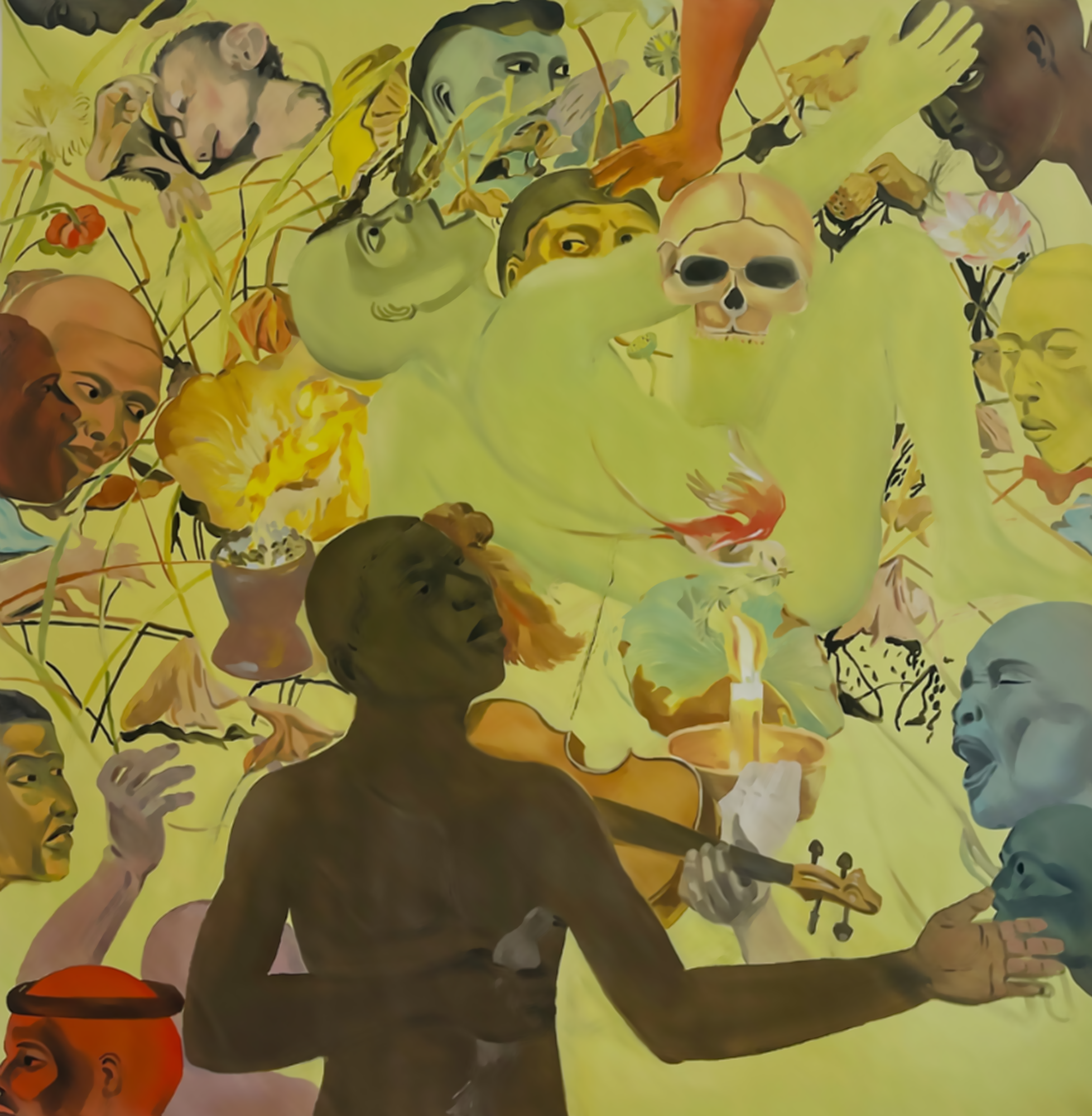
Finally, I would like to highlight Osias André, a young artist originally from Mozambique and working in Lisbon. I am not telling you more but I can ensure that he will be the biggest revelation of this show.
How do you hope the visitor experience will take shape in the space?
My dream is that people can arrive in the morning and stay until the evening. The architecture of DaDa Marrakech makes this possible. The venue offers distinct spaces to view art, have a drink, eat and enjoy the rooftop. You can also come for professional meetings while discovering the pop-ups throughout the day. In the evening, concerts, DJ sets and other performances will animate the space. During the fair, several guided tours will be organised to facilitate access to the artworks, while talks and a symposium will add a more intellectual and institutional dimension to the programme. Above all, everything is designed to create opportunities for real human encounters.
Visit ABLAKASSA
Visit 1-54
Visit Jean-Servais Somian
Visit Roger Karera
Words Helen Jennings
Published on 30/01/2026