
Kweku Yeboah’s short film takes the long way through the blood, clay and dust of Kano
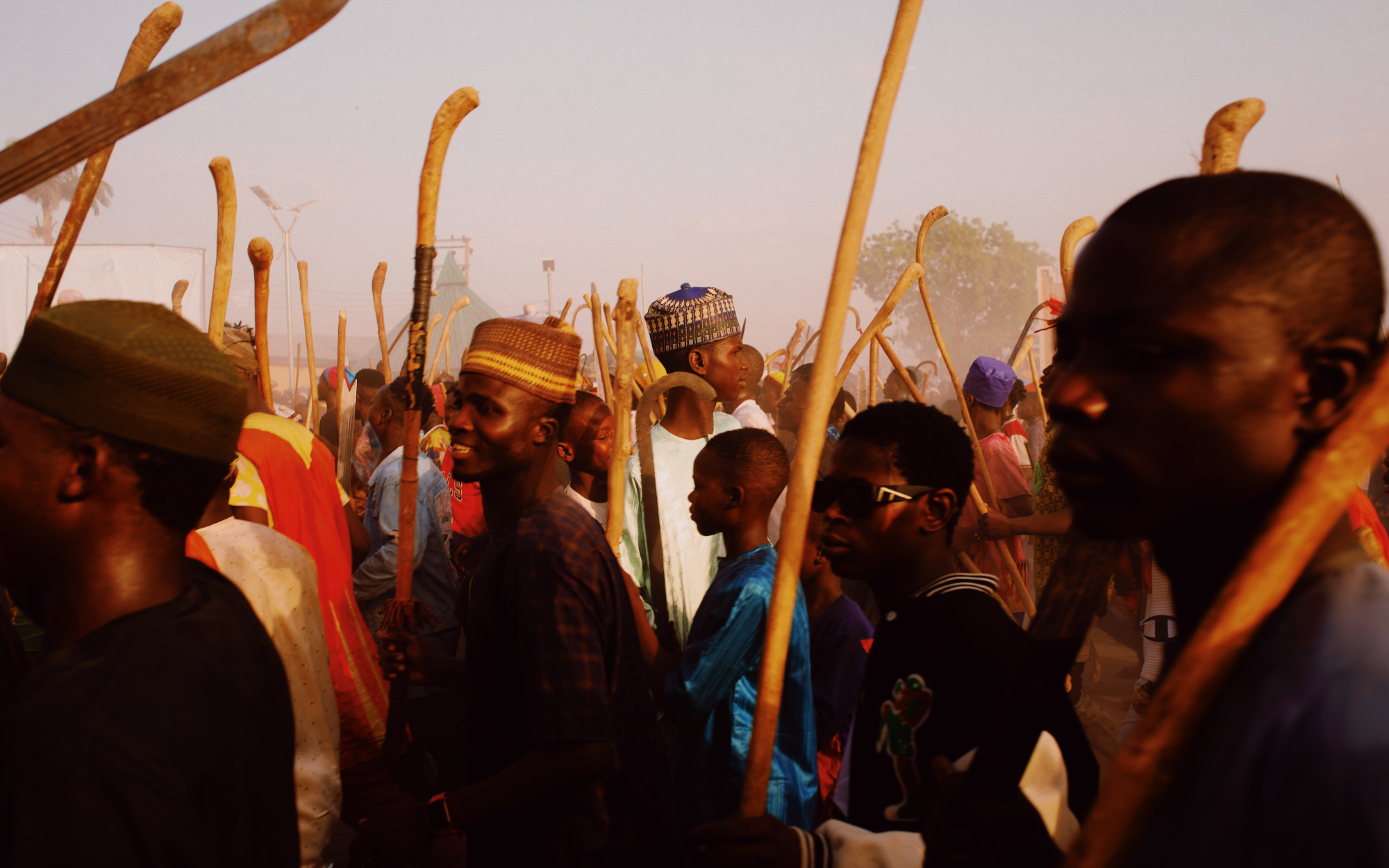
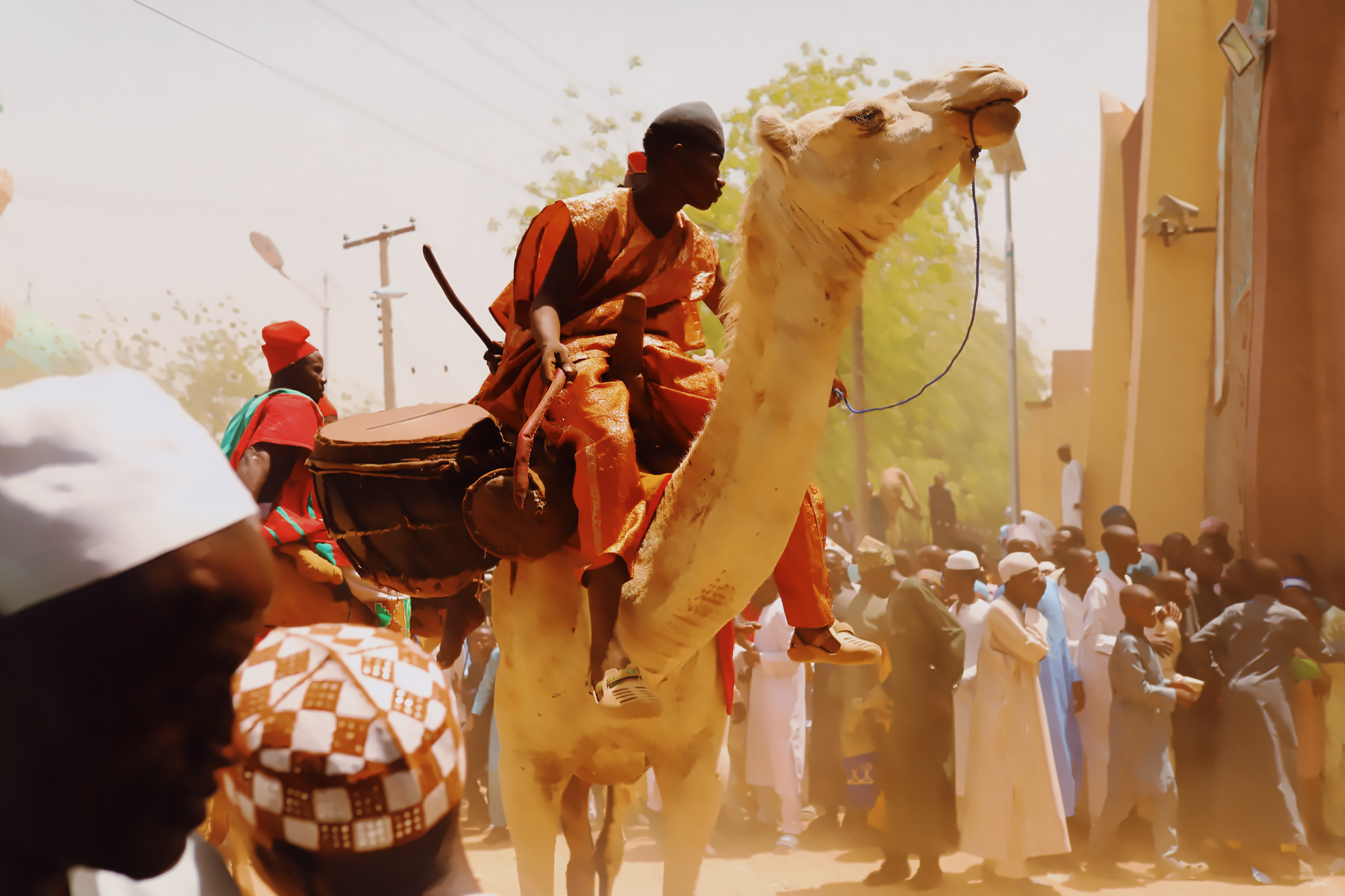
Ghanaian photographer Kweku Yeboah journeys through Nigeria’s northern trade city of Kano in his freshman film ‘Kanoci: Blood, Clay and Dust’. Premiered as part of the NOWNESS: Portrait of a Place series, the spirited project captures the conversations, traditions and economic aspirations held within Kano State’s ancient hustle-or-bust capital. Shooting on separate video and portrait cameras across an eight-day period last year, the multi-hyphenate visual artist has collated vignettes of markets and makers, bestial blood and bones, snake and hyena handlers and sweat-slick Dambe fights. Accompanied by an allegorical Nigerian Pidgin narration from his friend Demilare Asha, Kano’s money-on-the-mind spirit is made manifest.
Once arriving in the populous city, Yeboah spent four weeks becomig familiar enough for its people to welcome him into their lives, prior to even picking up his cameras. “Listening to the ground and the people is important. That’s where you understand how they move and how they react,” he says. As he immersed himself in Kano’s every-day, the artist uncovered truths he felt couldn’t be reached through traditional documentary touchpoints or portraits alone. And so, when he did start shooting, he captured its fragrant spice corners, colourful courtyards and energetic inhabitants in such a way that the film would feel lived-in.
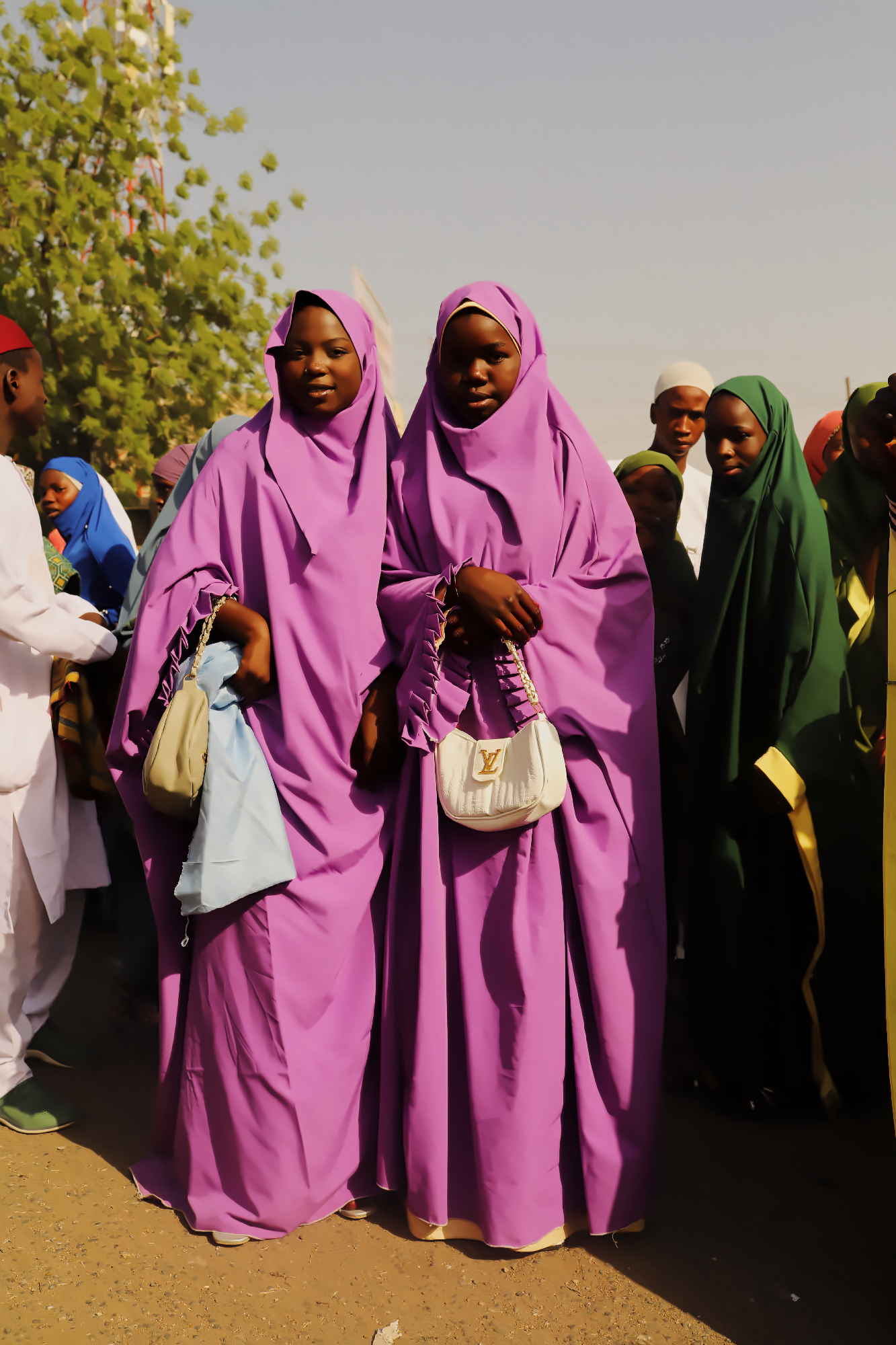
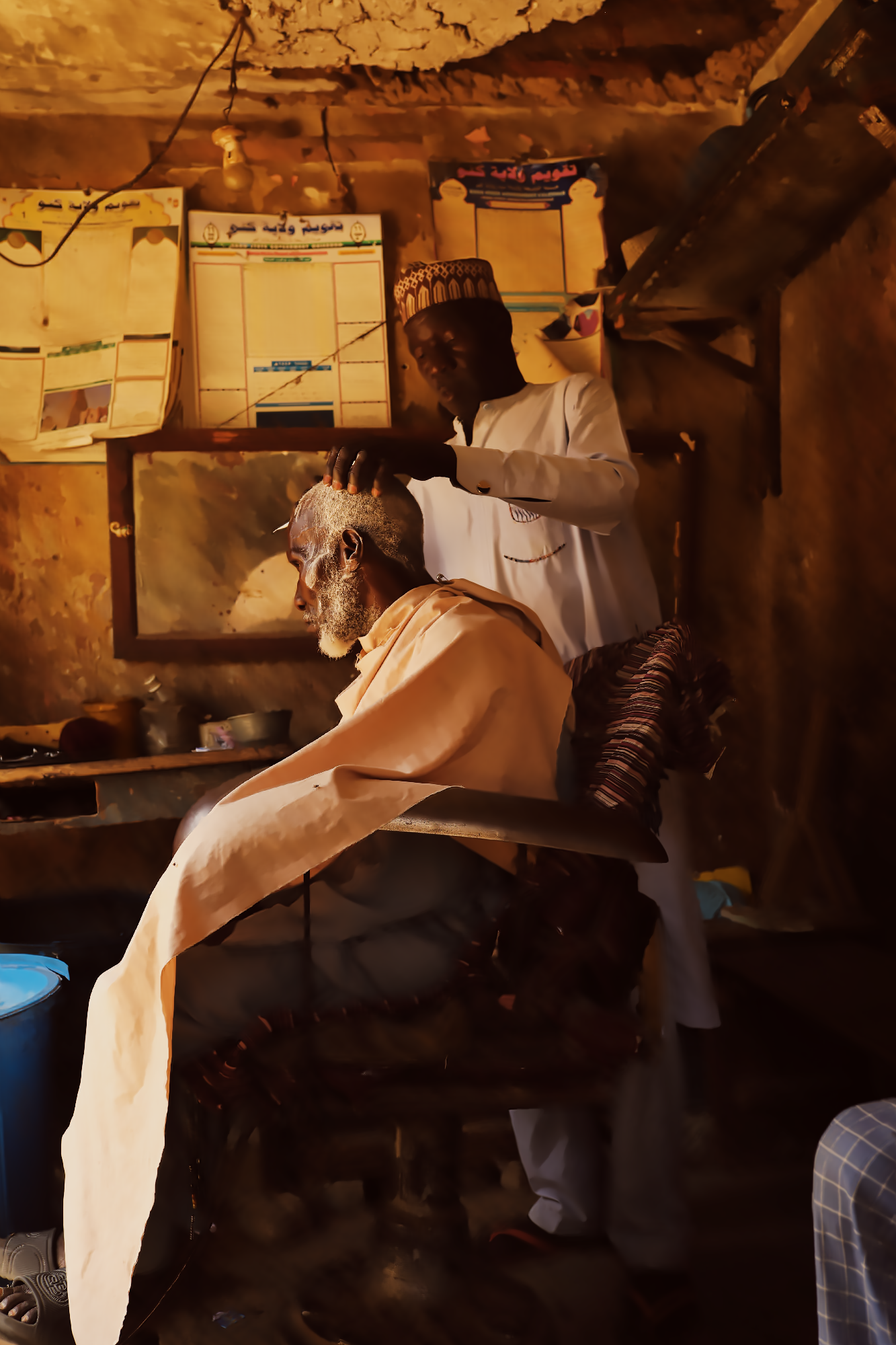
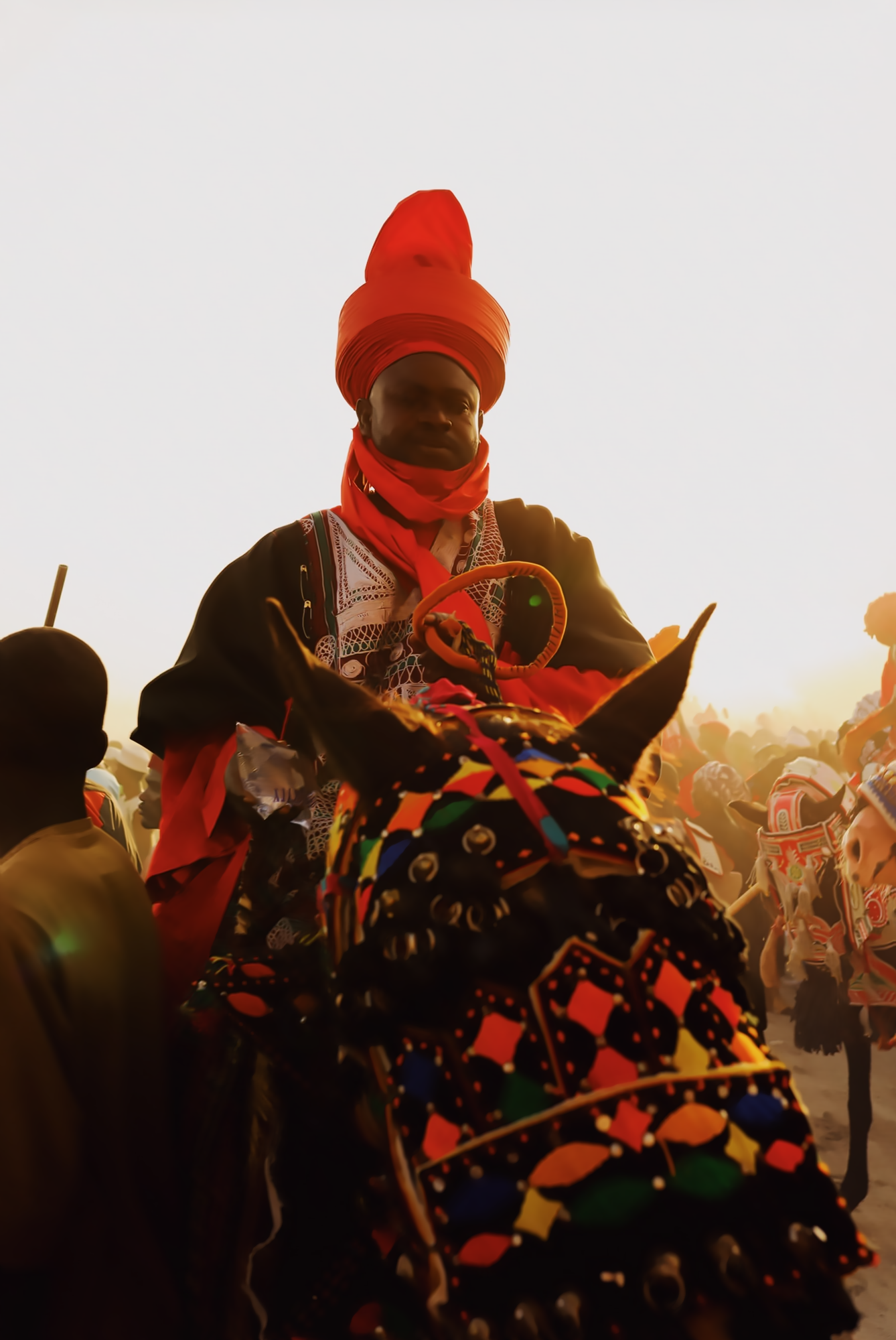
“I’m drawn to the intersections of culture, religion and daily life,” he says in his artist’s statement. “That’s where you find the rhythm and spirit of a place.” It’s a focus he’s honed while travelling across West Africa, staying close to how communities survive, worship and shape their days. For many, Kano’s pulse comes from the constant grind of commerce. “People feel like this is where they make money out of dust,” he says. "It's very hard to make a Naira but they believe there is hope, that there is this richness of toil. You suffer to be strong. It’s hardcore.”
The muscle required to be self-sufficient is what gives Kano its edge. “This is a city with everything – the good, the bad, the raw, the unfiltered,” Yeboah asserts. And within it is a fixed idea of what strength looks like. “Kano defines who a man needs to be. You have to be that person for them to call you a man. There’s no softness, no pity.” While that toughness is resolute, the film questions if it need be. “Men should also think about their mental health. Be responsible. Be accountable… The youth are asking, is it being harsh? Is it not showing my feelings? Is that making me a man?”
With experience as a stylist, creative director and model, Yeboah reflects on starting out in photography. “I’ve always been searching for mediums to tell stories and imagery is like words in an image file.” He also sees the camera as agency. “I wanted to take control of my own ideas. I can do more. I can paint my own idea better than someone painting it for me.” As he graduates to filmmaking, Kano has become his canvas. ‘Kanoci’ spares strokes for even the smallest details, pausing to reveal new phrases and hidden ways of seeing the city. In a cramped abattoir, Yeboah learned the word “Kura” meaning hyena. Conversation between the kura handler buying bones, slaughterman and Yeboah unfolded here, noted in the film as a place where “life and death clap hands.”
“Kano is a city with everything — the good, the bad, the raw, the unfiltered"
With bouts that are a well soused spectacle of skill and strength, the film also follows a group of Dambe fighters. Sometimes invoking magic and spirits, they enter the ring encircled by boys, betters, excited onlookers and supporters. At one fight, Yeboah noticed a fighter standing beside a drummer. “When they hear the drums, they connect to their ancestors,” he explains. Capturing that moment on camera was difficult but became a highlight of the project.
What makes ‘Kanoci’ especially meaningful, he adds, is the shift it brought in his own mindset. Even amid hurdles, he learned lessons. “Less is more,” he reflects. Living among the people of Kano showed him that restraint can reveal more than overexposure ever could – a philosophy that ultimately inspired his move from Accra to Butre in the West of Ghaha in search of a slower pace. He asks that audiences take a similar approach. “I hope viewers don’t come away with judgement. We all share the same humanity while moving through different dynamics, mindsets and rhythms.” It’s this embrace of his broader African identity that allowed him to be fully present in Kano, listening to those whose stories breathe soul into ‘Kanoci’. “Once you do that, it’s easier to move with the people and take in what they have to share.”