
While klein MUIS may translate to ‘small mouse’, this debut collection shows us the maker behind it is anything but
`“Jirre hoe lank nog?” (Lord, how much longer? in Afrikaans) calls out Reverend Chris Nissen to his congregation following the Trojan Horse police shootings in 1985, which resulted in the deaths of five young people. “How much longer must a policeman walk up to our children and shoot them dead? How much longer?” The activist’s voice cracks in this archive footage that features in the opening seconds of klein MUIS’s short film and visual collage, from which his debut collection, ‘Jirre Hoe Lank Nog?’ takes its name. Followed by quick cuts of crying mothers, laughing children, football goals, Kaapse Klopse, political rallies and high-voltage car spinning, the work introduces klein MUIS’s bold and beckoning project. “It's for people to understand the world that I've tried to build,” MUIS explains as we join him in his Johannesburg studio to discuss his dynamic, eight-piece SS27 offering.
After debuting the collaborative project ‘Dunusa: Life of a Garment’ in 2023 alongside friend and collaborator Khumo Morojele, MUIS established a reputation as an unflinching documentarian of post-Apartheid South Africa and broader African culture, and later won the Twyg Magazine Emerging Designer Award in 2025. He now views his work as a means to explore the intersection of culture, memory and conflict, adopting both meditative and energetic approaches to research and dialogue.
Alongside Thebe Magugu, Trevor Stuurman, and lordkez, klein MUIS is another diamond to have emerged from Kimberley, the Northern Cape’s capital city. Born Aidan Jayson Peters, he spent his early years with his mother and grandmother in Homevale, colloquially known as Tips, a Coloured township established under the Group Areas Act of 1950. His was an expressive household that was never short on movement and fun. His grandfather would play Bob Marley and The Manhattans. While his father earned the nickname “Muis” in the car-spinning community, his son then becoming known as klein MUIS (small mouse).
After moving to the suburbs as a teenager, MUIS became interested in highlighting social differences. “You could really see the disparity [between Tips and the suburbs]. It was rough, like day and night,” MUIS recalls. As a first-generation born free, MUIS is curious about how his peers navigate a reality so different from that of their parents, yet still so close to the country’s traumatic past. He believes there are many generational traumas that Black and Coloured South Africans have yet to fully confront and therefore dedicates himself to becoming more conscious of these inherited experiences. “We can’t truly find a new South Africa if we’re not going to critique and understand what the past was like,” he argues, noting that conflict and violence extend beyond the physical to include emotional and existential dimensions.
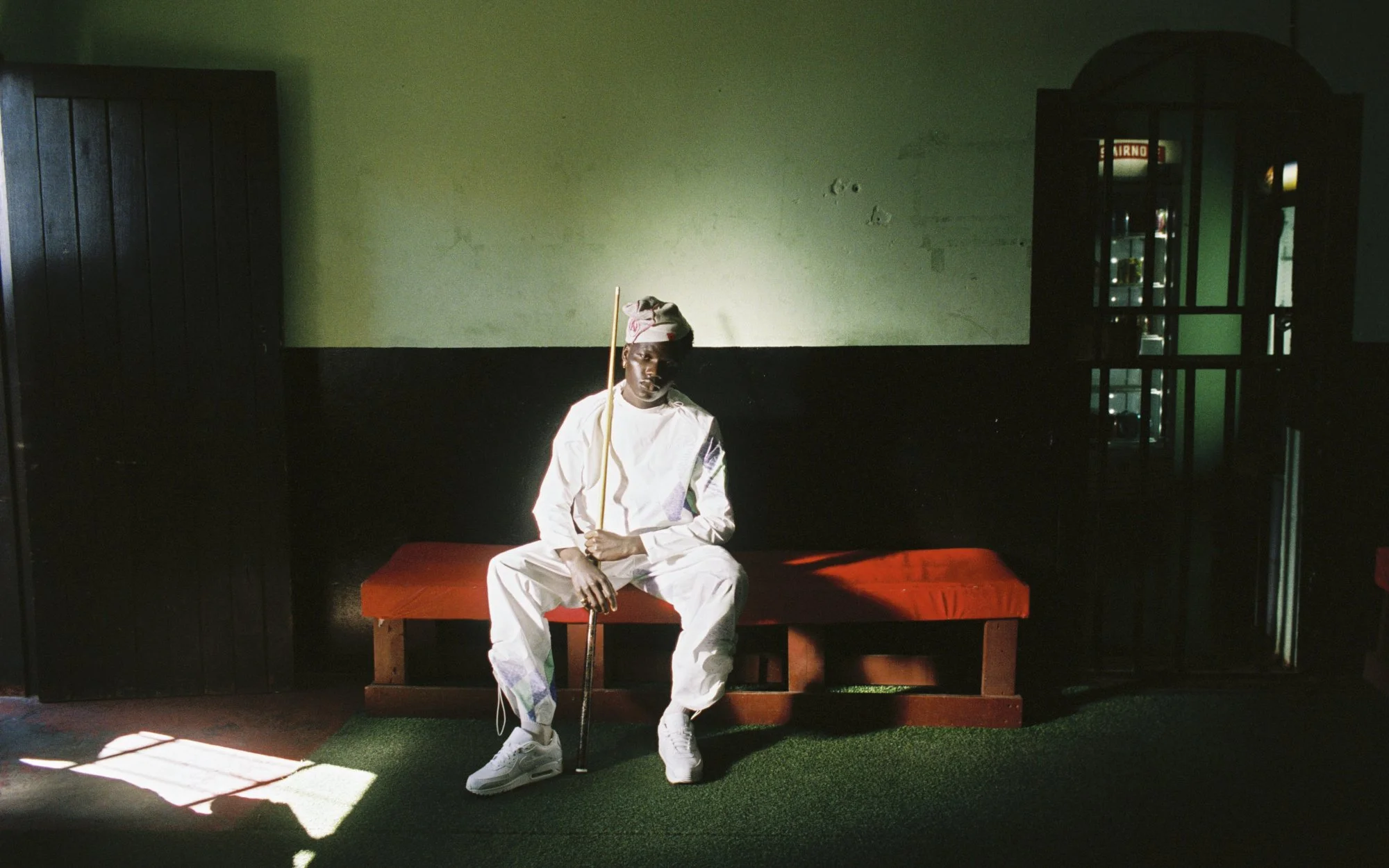
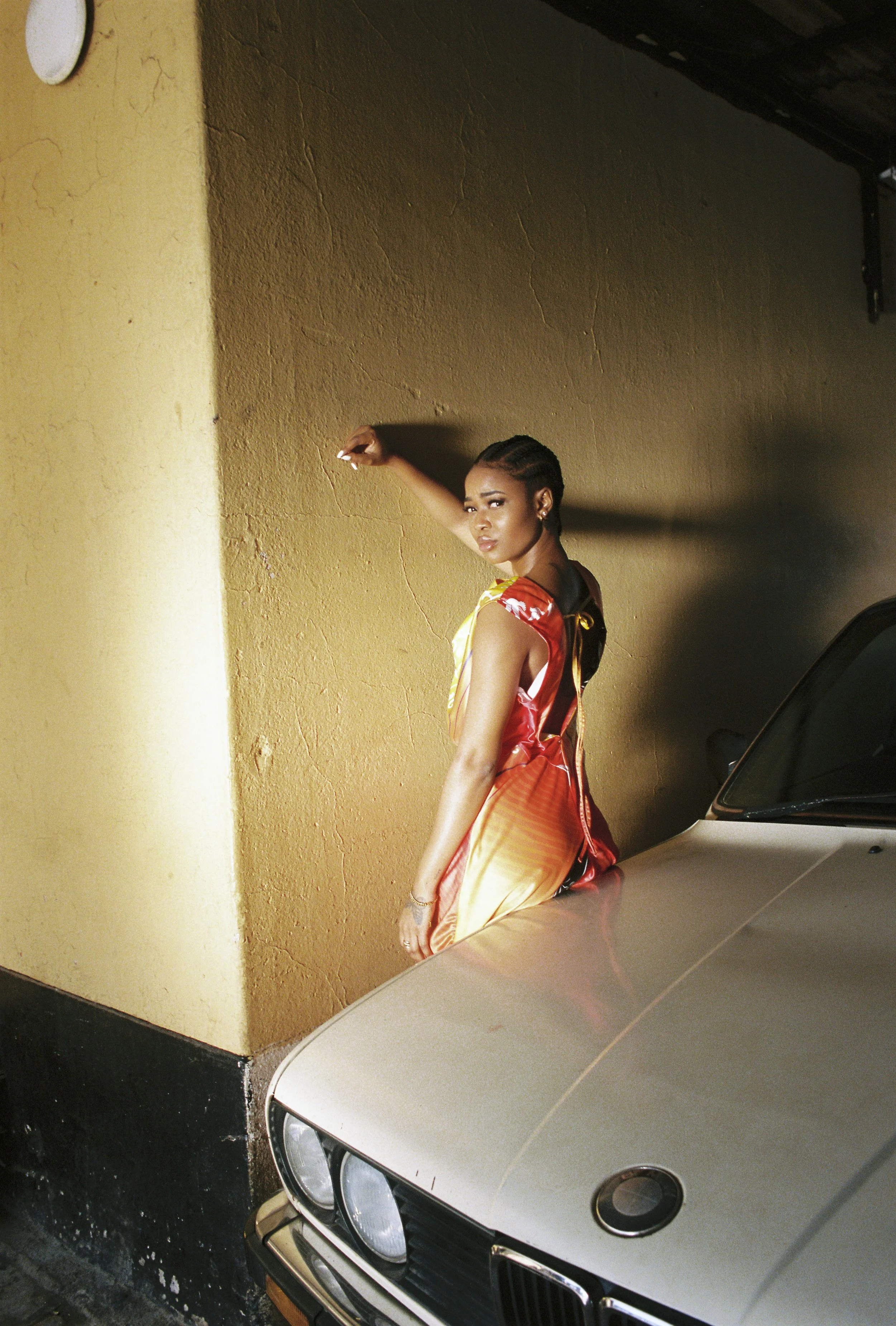
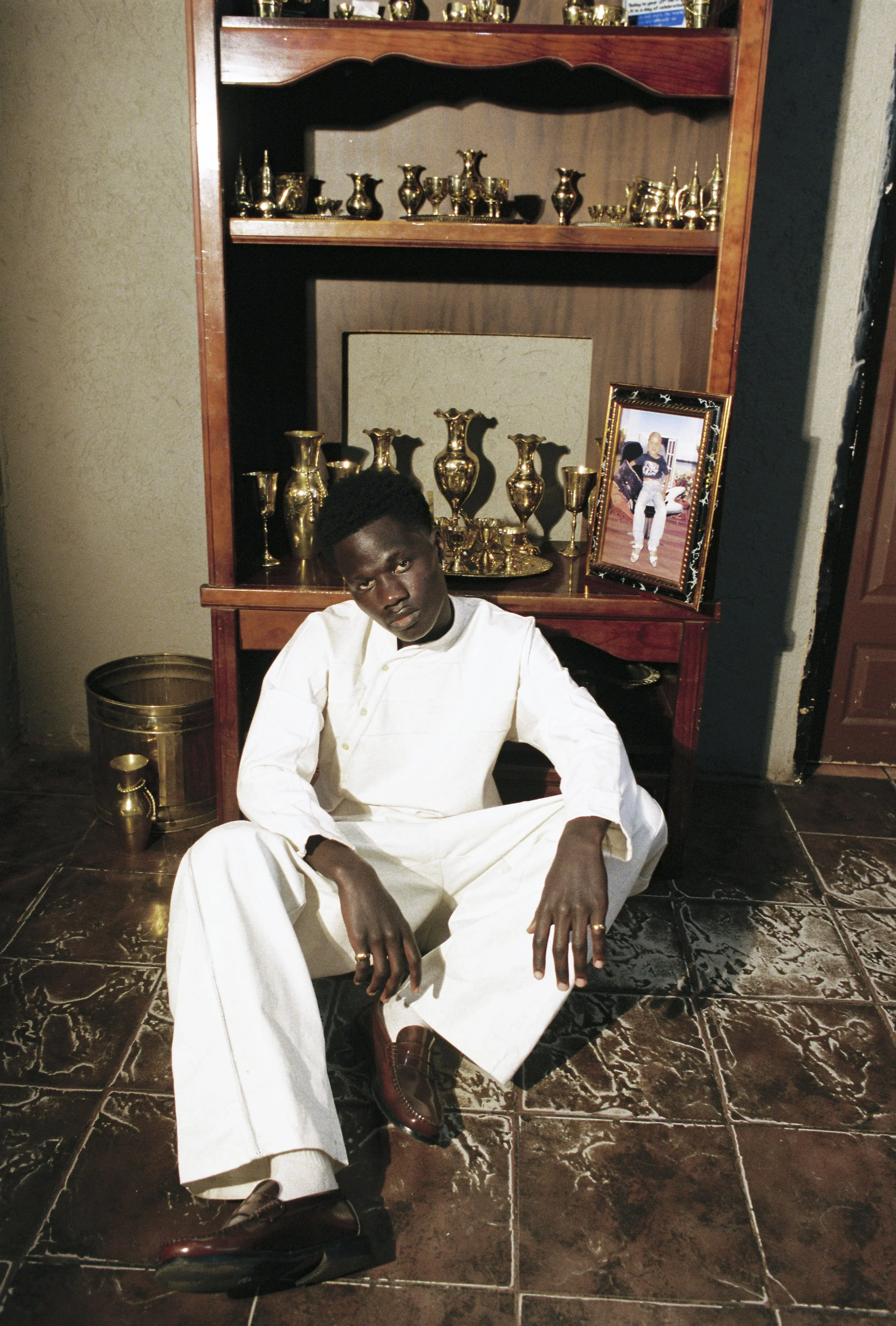
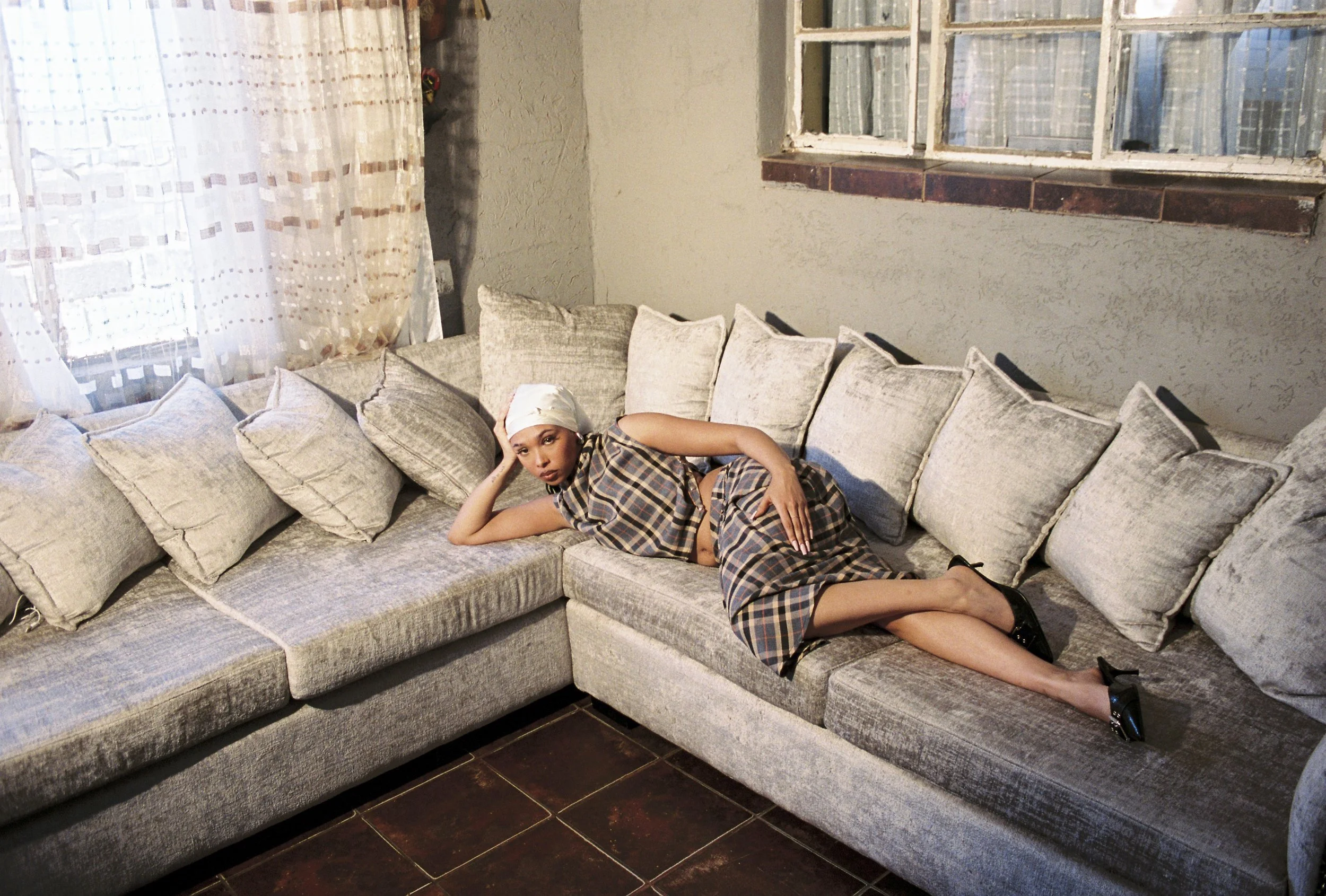
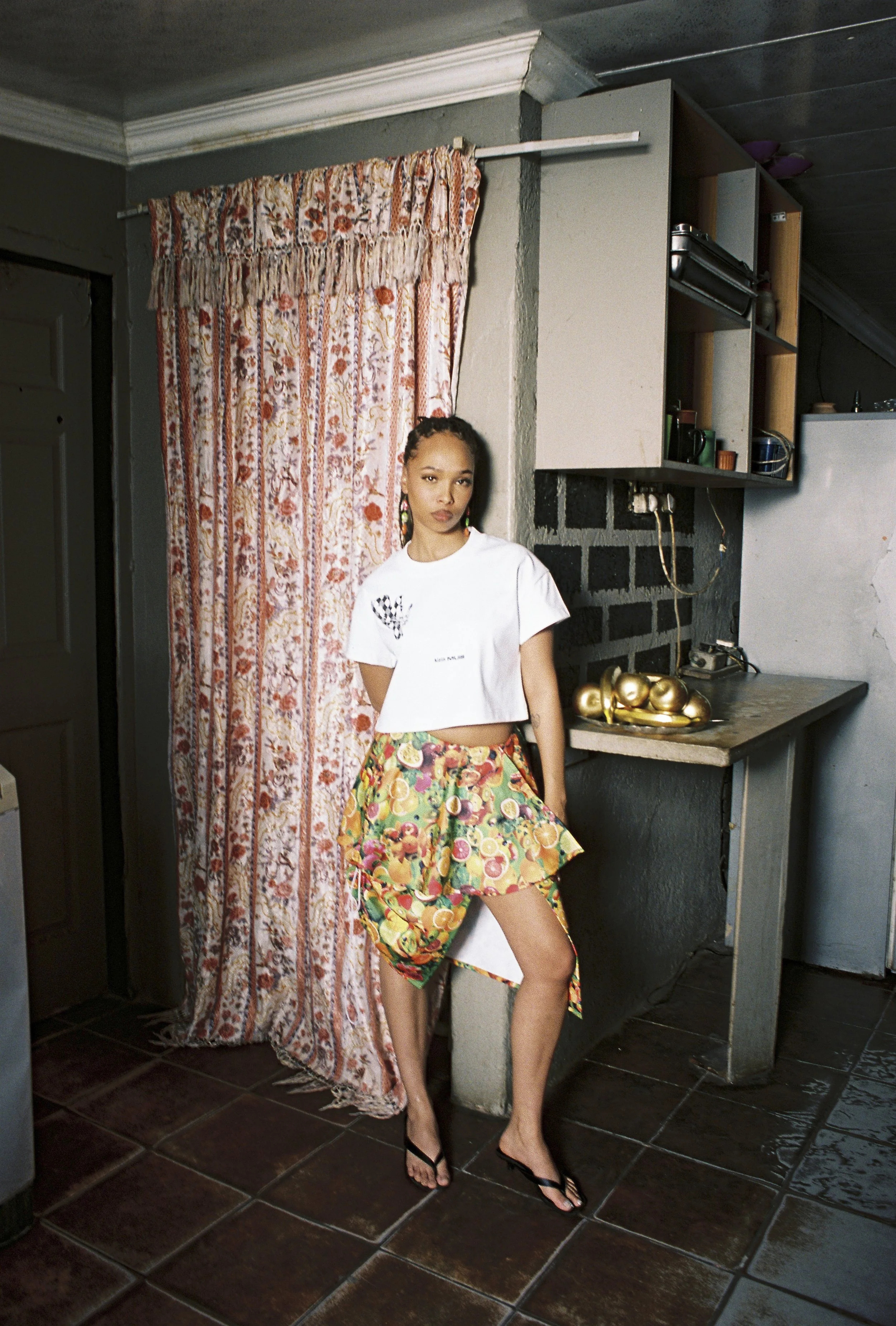
Conversely, Football is also central to MUIS’s storytelling. Whether playing until the streetlights came on in Tips, or joining fellow artists for a match after FNB Art Joburg 2025 – where he and Morojele exhibited in a booth inspired by Kylian Mbappé’s childhood bedroom – he notes: “All you need is a ball. Football is poetry.” As such, MUIS’ latest collection is a complex mix of both his personal identity and South African history, of joyful memories and necessary confrontations. The Jabulani Dress features the print of the iconic 2010 FIFA World Cup match ball. The fruit cloth skirt is inspired by the familiar print found on curtains and tablecloths in many grandmothers’ kitchens. A white checkered coat worn by one of the mothers of the Trojan Horse victims’ is reinterpreted in the asymmetrical tartan shirt and sleeveless crop top. And a shot from Jodi Bieber’s celebrated ‘Between Dogs & Wolves’ series is cast in pixels on the crisp white graphic tee.
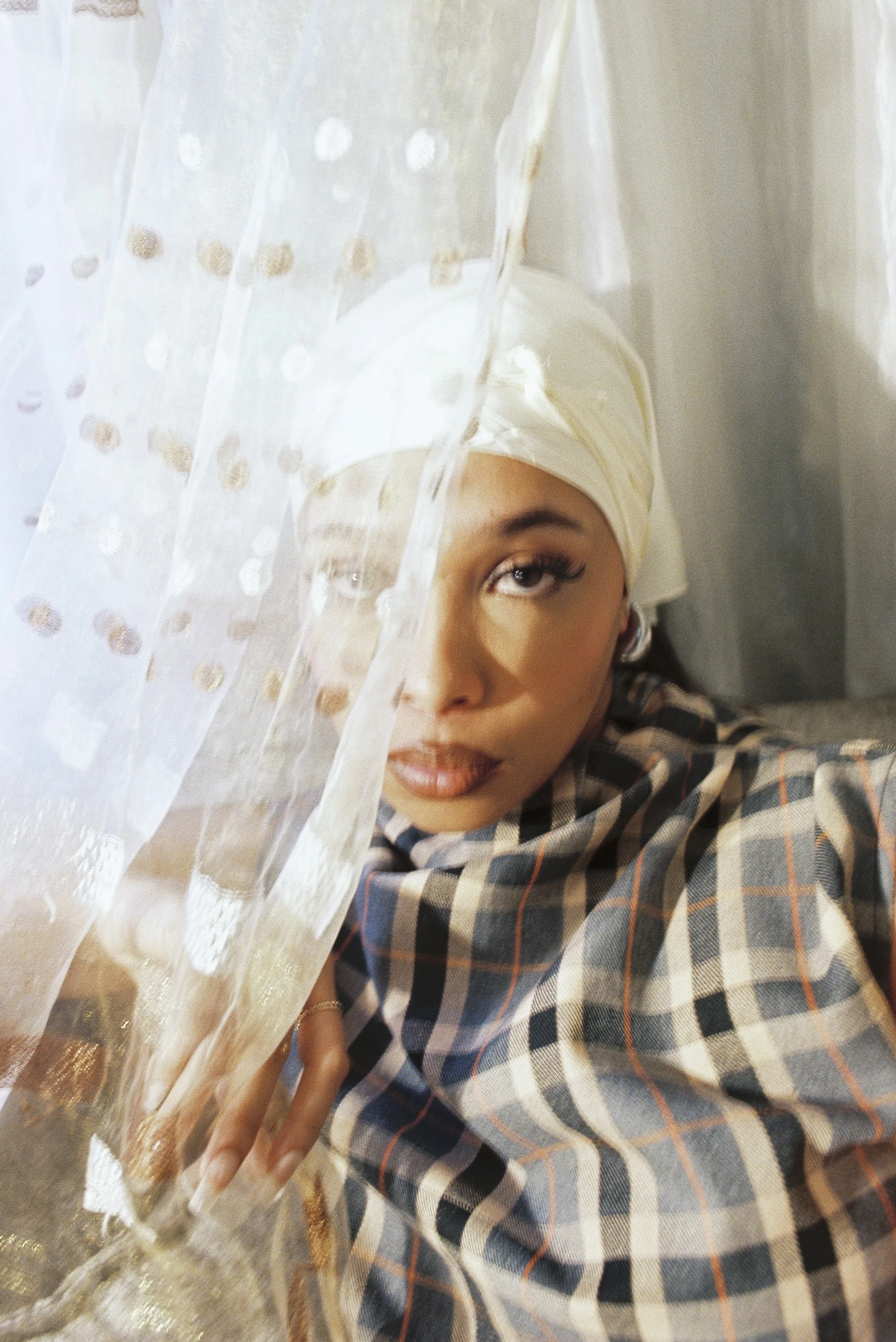
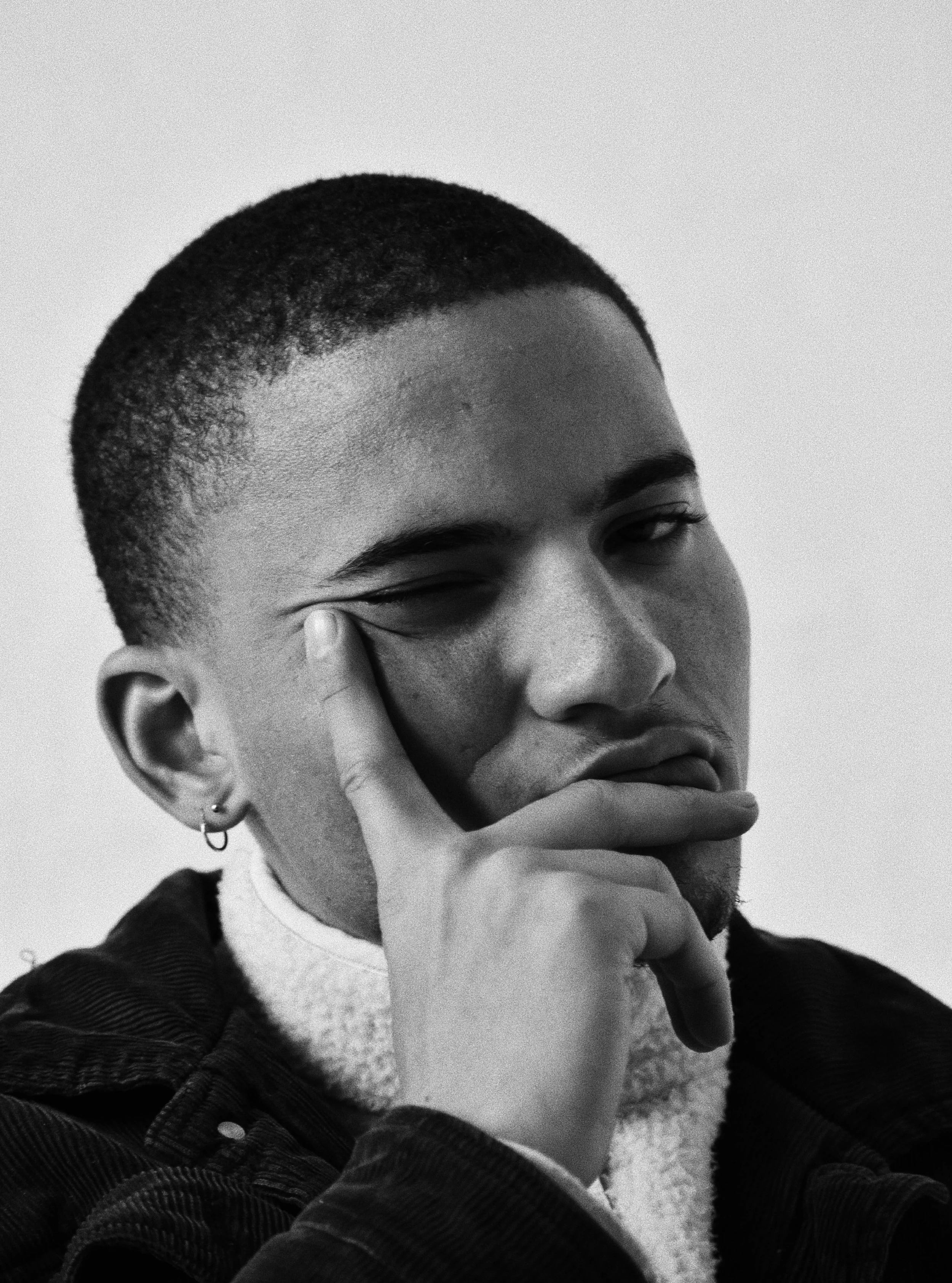
The campaign images add another layer to MUIS’ life story. The viridescent but dimly lit pool hall, hookah pipes, bompies (homemade ice lollies in plastic bags), and a car gathering dust in a narrow garage evoke memories of Coloured townships. Alongside the video collage and fashion film – set to a narration by Iyesha Sieberts of Ronedla Kamfer's poem 'Klein Cardo' – these images and the collection do more than pay homage to the Coloured community; they make you want to be part of it and remind you of what we may have lost.
Looking forward, ‘Jirre hoe lank nog?’ signals how MUIS’s practice is becoming increasingly willing to engage in conversations that divide opinion. He believes much of South African art is beautiful, but it can sometimes fail to challenge audiences. With his own, he hopes to find the courage to embrace provocation as an invitation to understand ourselves better. “Why are you upset about it? Why is it something you don’t want to talk about?” he asks. “If you’re really not going to speak about the realities of these times, what are you doing?”
“We can’t truly find a new South Africa if we’re not going to critique and understand the past"
While the collection is an urgent call for change, it was not hastily hatched. MUIS has given himself time to conceive what he wants to put into the world, and why. “I think I’m at a good enough point where I can start,” he says, acknowledging that while the output isn't perfect, it doesn’t need to be. The framework is there. Though the stories he wants to tell are heavy, MUIS still finds joy in creating the work. “I’m still having fun with the designing and making,” he adds. Such glistening happiness exists alongside difficult undertones, not just in the collection but in the country as a whole.
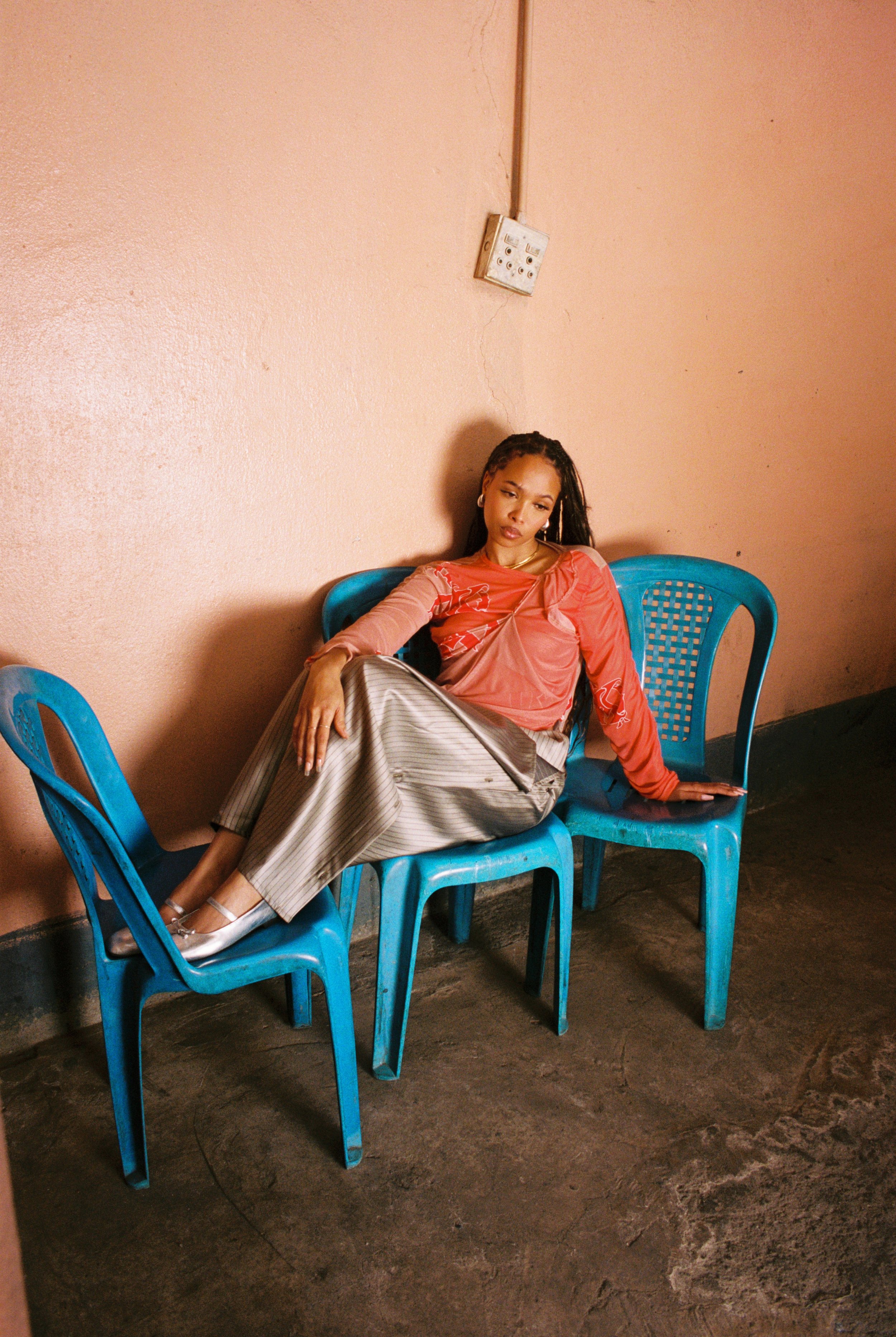
The beauty of ‘Jirre Hoe Lank Nog?’ isn’t just in the look and feel of the garments but in how it manages to communicate a nuanced view of post-Apartheid South Africa through the eyes of a youth who live with the remains of this brutal and violent past. The collection succeeds because it doesn’t try to provoke a direct answer to the question it poses; instead, it calls us to a space where we might find one.
See NATAAL’s story on ‘Dunusa: Life of a Garment’ here.
Words Kemiso Yasmine Wessie
Creative direction klein MUIS
Photography Francesco Mbele
Editorial video Hlengiwele Lala
Art Direction Cherelle Martin
Styling Thato Nzimande
Production Neo Lecku
Talent Iyesha Sieberts
, Molly P
, Kankuyo Uzarama
Gustavo Milan
Lighting Jeffrey
and Hlengiwe Lala
Creative assistance Takudzwa Matimba
Thulaganyo Sekati
and Ruaan Vos
Prod assistance Shaquille Smit
, Khumo Morojele
Brand management Oyama Njeza
Published on 30/10/2026