
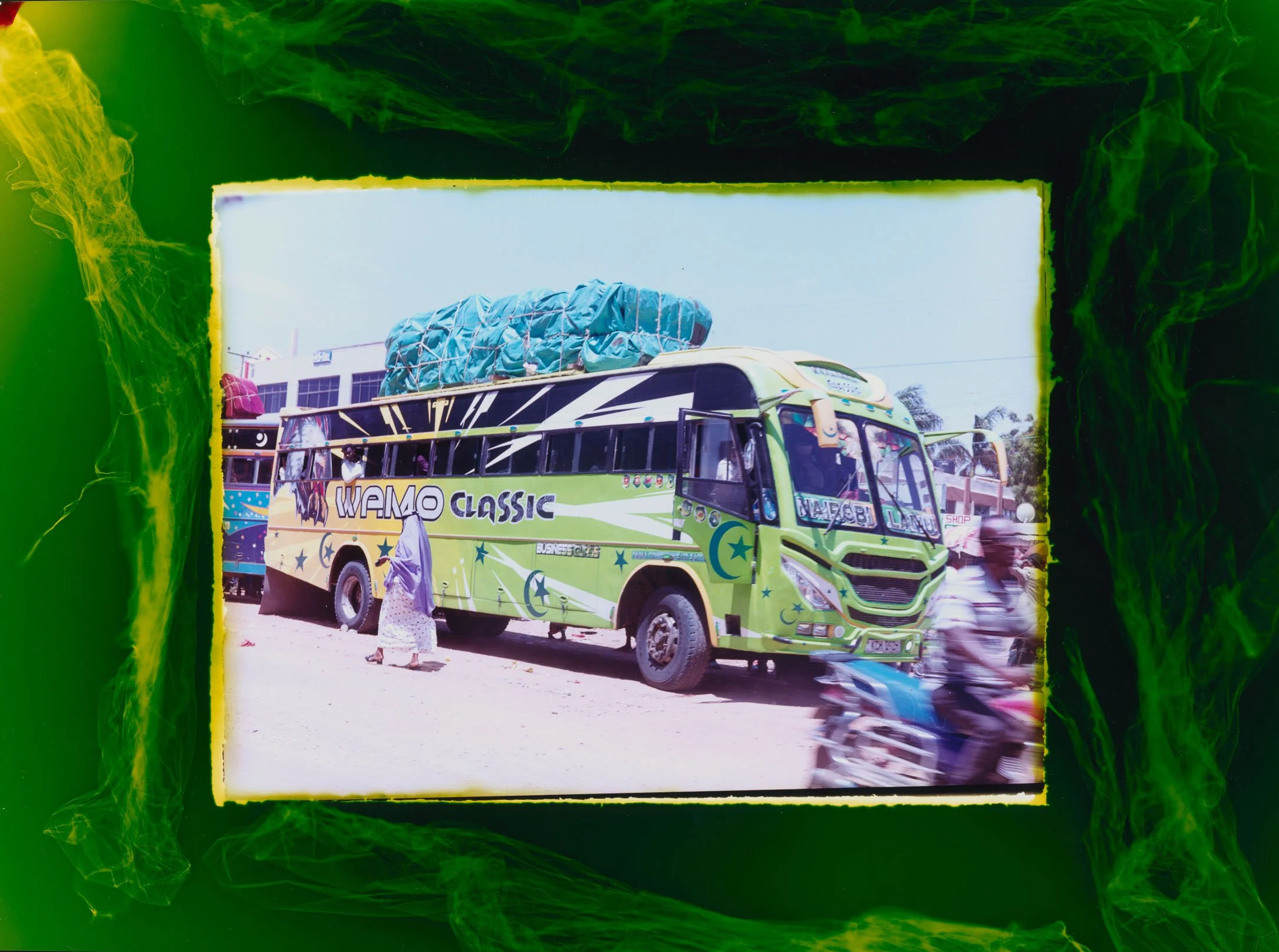
Yasmin Gordon explores the intangible hinterlands between tradition, modernity, dream and memory
Named after the prehistoric cave paintings in Hargeisa, ‘Laas Geel’ by multi-disciplinary artist Yasmin Gordon, pays homage to Somali heritage while reflecting upon the urgency of cultural preservation in Kenya’s northeastern borderlands. “’Laas Geel’ aims to capture the metamorphosis that the nomadic, pastoralist society of Garissa is experiencing,” Gordon explains. “Old working patterns and systems are replaced by urbanised trade and Western capitalist economics, and orthodox Islamic values are eroded by Western glamour, seen through the lens of smartphones.”
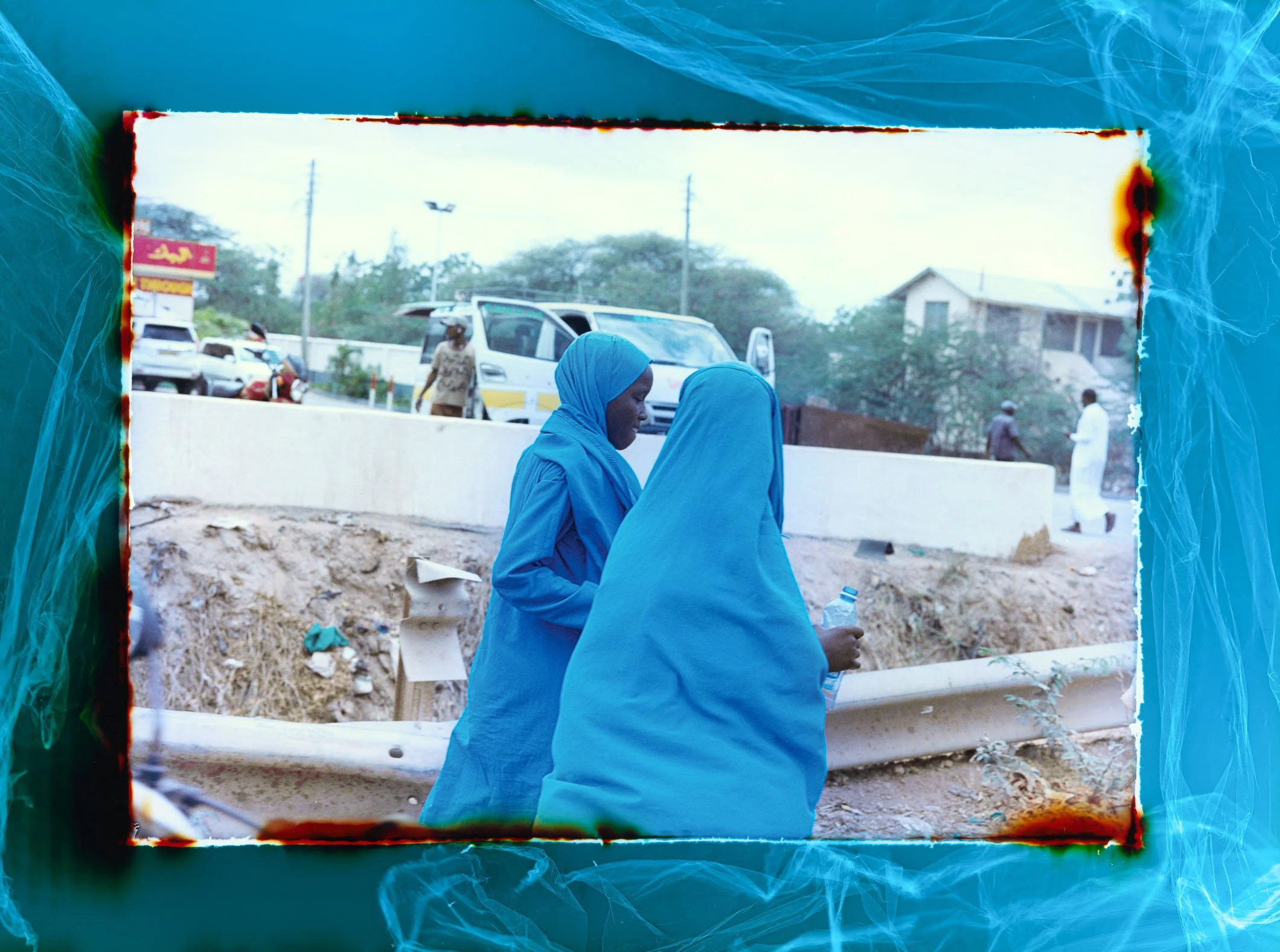
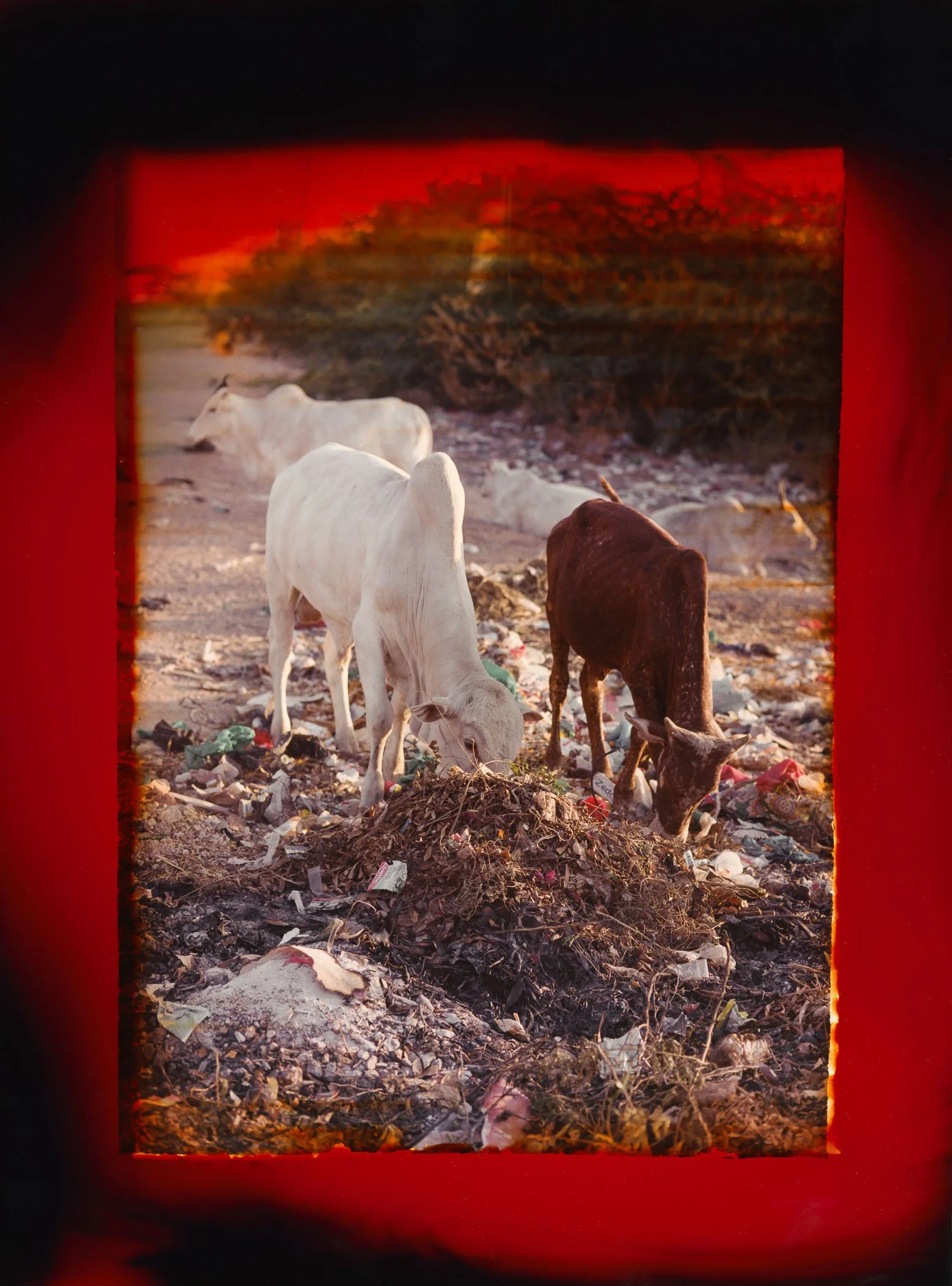
This series of experimental photographic prints has been created using film photography and alternative darkroom techniques, making the scenes she captures appear both hyper realistic and otherworldly, all at once. “Working with photographic mediums is a way to hold on to moments where sentiments aren’t easily explained,” says Gordon. “Making an image can allow one to ruminate on a feeling, return to it and potentially understand it with retrospect or new knowledge.”
Born in South London to a Danish-Irish dad and Somali-Kenyan mum, this self-taught photographer has been honing her craft for the past decade. And since Gordon’s parents retired to Kenya – living between Nairobi and Garissa – she’s been able to spend more time in the region. “It has encouraged a body of work that challenges dominant narratives here in the UK, whilst addressing the realities of post-colonial subjugation the Somali community continues to navigate,” she explains.
Recognising the responsibility that comes with photography, she notes: “Most online imagery of Garissa depicts drought or conflict. The UK government even lists it as a red zone under their travel advisory but these classifications don’t always reflect lived reality. They can be shaped by institutional caution, political framing and a lack of local context. And from the current global political perspective, this feels true now more than ever. That’s not to say we should dismiss risk, but it’s more about trusting in local knowledge and human relationships to reveal a well-rounded understanding of a place.”
Part of her research involved speaking with the older and younger generations of her family, as well as the local community in Garissa, to capture the duality of feelings that people have about the fast-paced change they’re living through. “Older generations were worried about the loss of oral storytelling, the famed prowess of Somalia’s poetic tradition has been a cultural signifier that could die out as younger generations spend more time communicating digitally. Younger people understood the feelings of elders but were glad to shake off older traditions such as clan affiliation and they hoped to leave home and travel. A few of the youth I spoke to have since taken a precarious route into Europe in the hopes of finding better prospects.”
“Laas Geel aims to capture the metamorphosis that the nomadic, pastoralist society of Garissa is experiencing"
These co-existing sentiments have become recurrent themes in the series. “There is a feeling of erosion and renewal, belonging and separation, intimacy and distance, memories and dreams. Many of the works seem like an image within a frame that holds this sense of being between two states. This also reflects my own position as a diaspora, which is both a part of and separate from the realities in Garissa,” she says.
Put simply, Gordon’s images depict everyday moments. But the techniques she incorporates to develop the shots, using all types of substances, found materials, objects and light source, has created shocks of blue, green and fiery orange, meaning they hum with vitality. “Some of my favourite films appeal to me because of their colourscapes. The sunburnt colours and bright hues in ‘Lingui, The Sacred Bonds’ feel representative of the underlying rhythms of Chadian spirit. And in ‘The Holy Mountain’ colour becomes a spiritual language.”
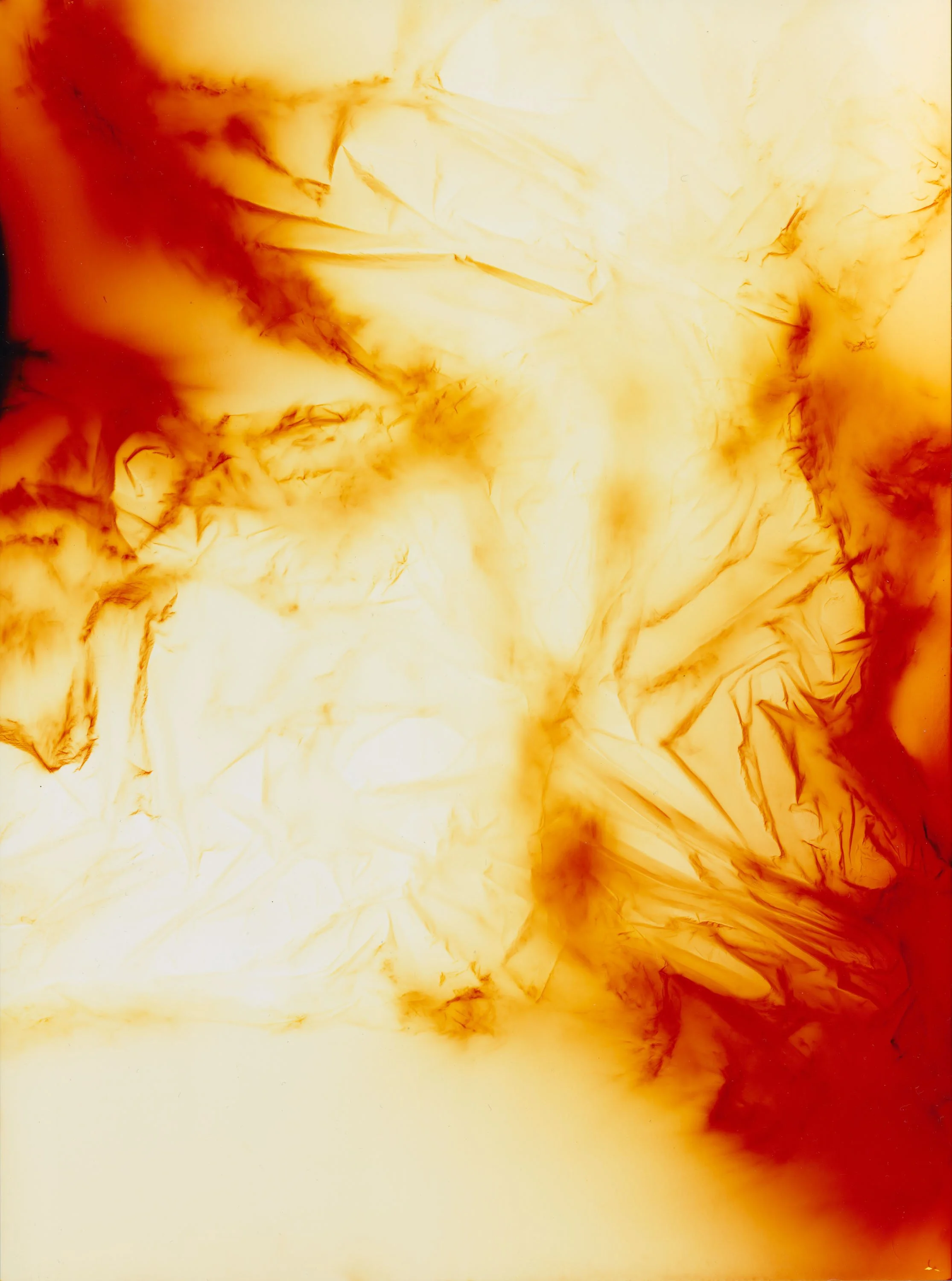
Visualising the intangible is something that Gordon always grasps at with her work, weaving together the frictions between memory, feeling and relationships. “My previous project ‘Kukumbuka’, which means ‘to remember’ in Swahili, used purple film to act as an allegory for the unique nature and rarity of life in Garissa and to depict the bonds that sustain the community there. That became the foundation trigger for ‘Laas Geel’.”
From the unpredictable nature of shooting reportage and portraits, to her mercurial and hard to control post-production methods, the series comes alive with emotion as we find resonance through colour and comfort in the blur. “My mother and aunties often say, ‘It was written’ or ‘Allah’s will’. There’s a feeling of reverence in Garissa, where people are both devout and living in the semi-arid desert land where life can feel fragile. As humans, there are many phenomena and fleeting moments we cannot grasp. It’s this feeling that is instilled in the work, which fittingly took on its own fate in the darkroom.”