
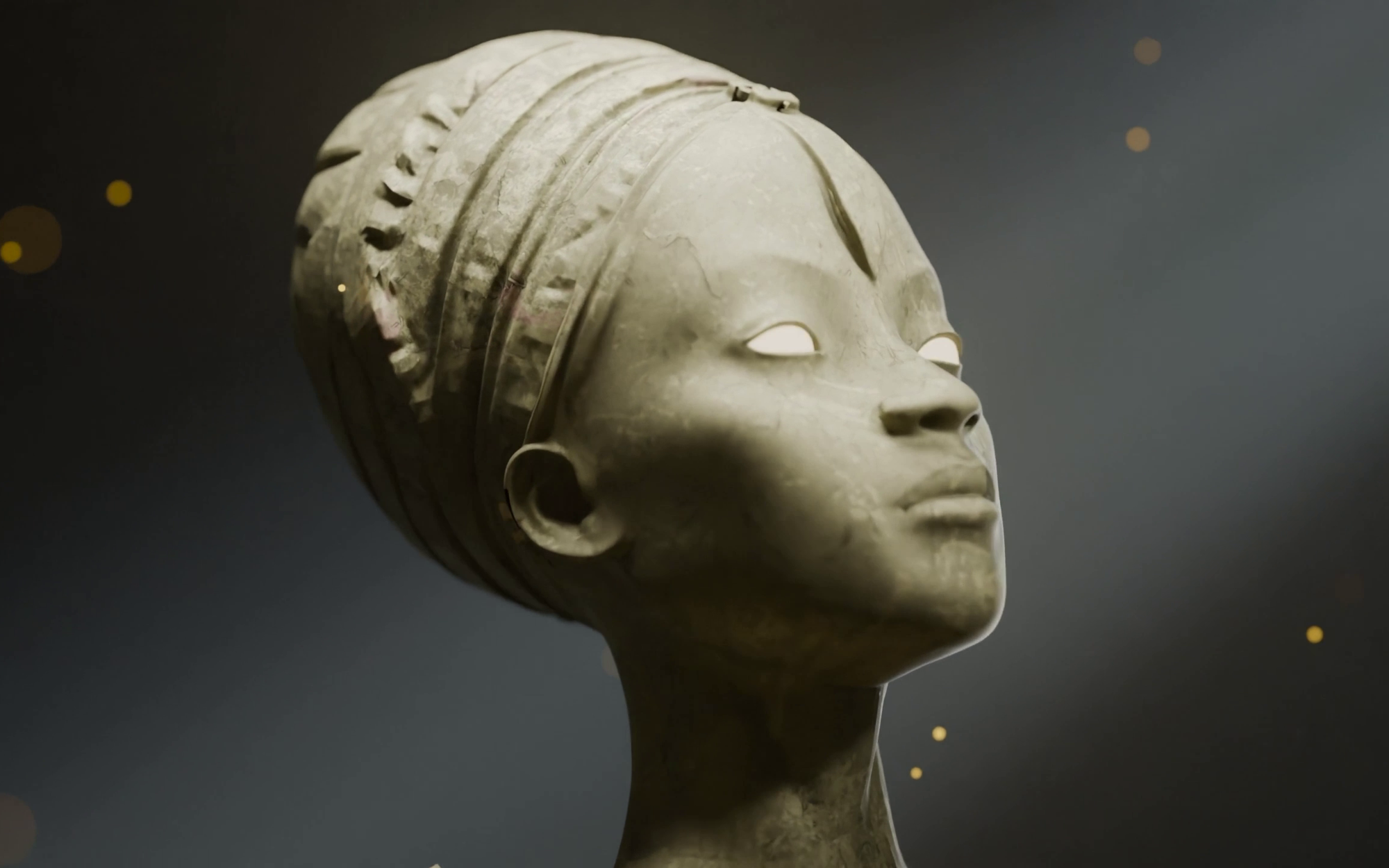
Orun sets it course as an institution affirming the long-term prosperity of Africa’s creative landscape
During the first breaths of January, Casablanca bore witness to a moment that promises to revolutionise Africa’s cultural industries. With Morocco already buzzing from the AFCON tournament, Orun presented its Heirs of Greatness Day to affirm the inherent worth of the continent’s craftsmanship. “Our vision is to create a platform where African creatives and artisans are not only visible but also structured, protected and able to build careers,” explains Orun founder Habyba Thiero. “Orun is still in its formative phase but what it stands for clear: dignity, mastery and purpose.”
Thiero is also CEO of the Kigali-based Africa Currency Network (ACN), a pan-African ecosystem dedicated to strategically scaling the creative sector. “We look at vision, governance, capital allocation and partnerships to ensure that value is created locally, owned locally and projected globally,” she adds. Orun has now been born under ACN’s nurturing wing to situate creators in a position of influence. “So often African creatives are celebrated visually but excluded economically. We believe in respecting the depth, rigour and intelligence embedded in African craftsmanship, design, cinema and storytelling by structuring these industries as drivers of cultural sovereignty and soft power.”
At Orun’s core in the Sovereign Code – the three guiding principles of memory, structure and transmission that shape how this fledgling institution builds toward a lasting dynamic. “By applying the Sovereign Code, we can turn Africa’s profound heritage of craft into a sustainable system. We privilege long-term partnerships. We insist on fair attribution, fair compensation and transparency. And it is about discipline. Respecting time, mastering one’s craft and transmitting knowledge to the next generation are acts of resistance in a world that often expects Africa to improvise rather than to lead.”
“We believe in respecting the depth, rigour and intelligence embedded in African craftsmanship"
Habyba Thiero
From these pillars comes its first programme, Orun x Designers. Following Orun Studios activations in Abidjan and New York, the Heirs of Greatness Day brought together 10 artists whose work channels a living heritage ripe for meaningful expansion. In the grounds of Sacré Cœur Cathedral, an influential audience experienced an installation taking us though seven Houses of Craft. Rather than keeping each designer in a silo, they collaborated to exhibit the ways in which ancient knowledge and innovation feed the future of African excellence.
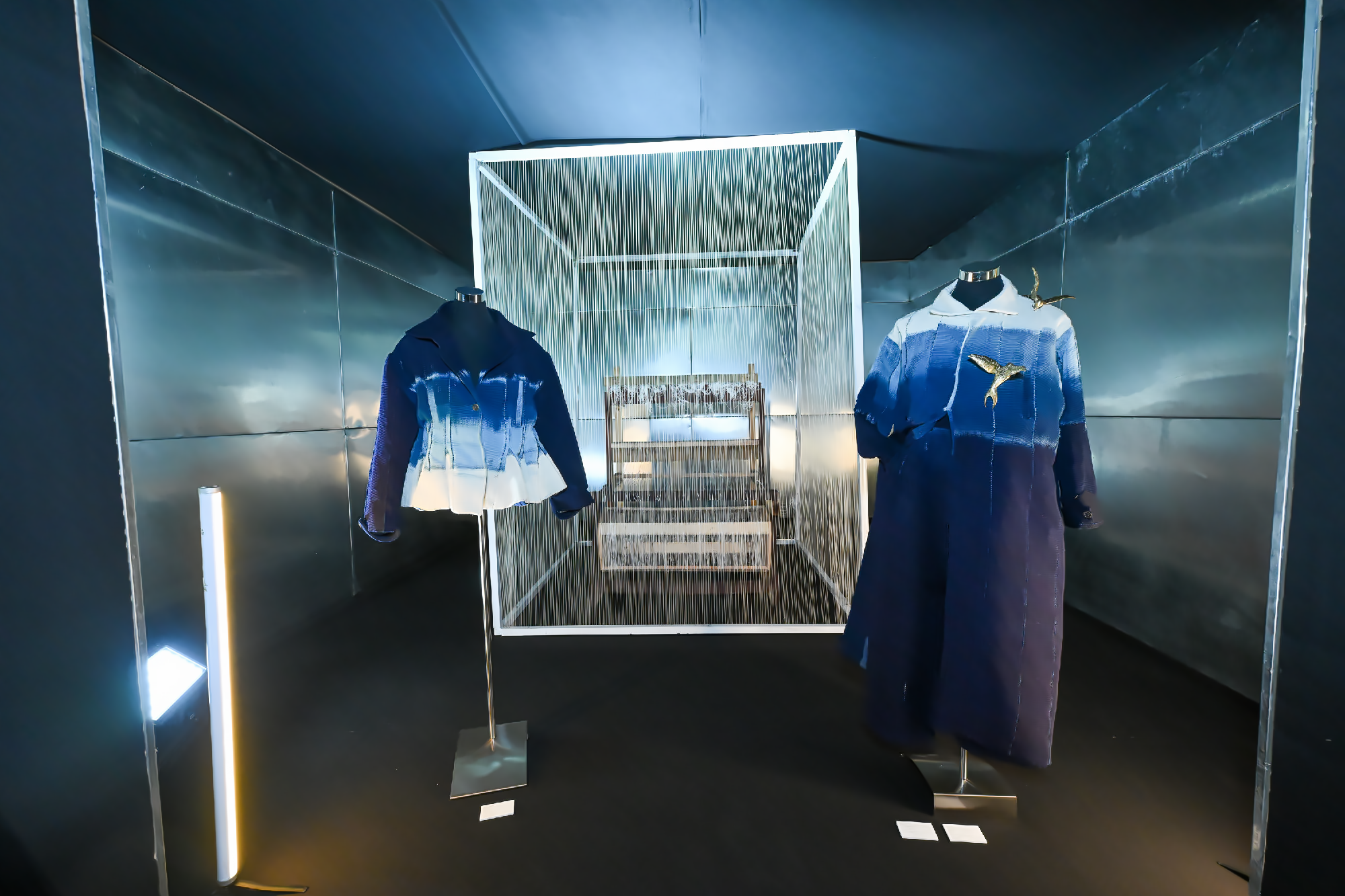
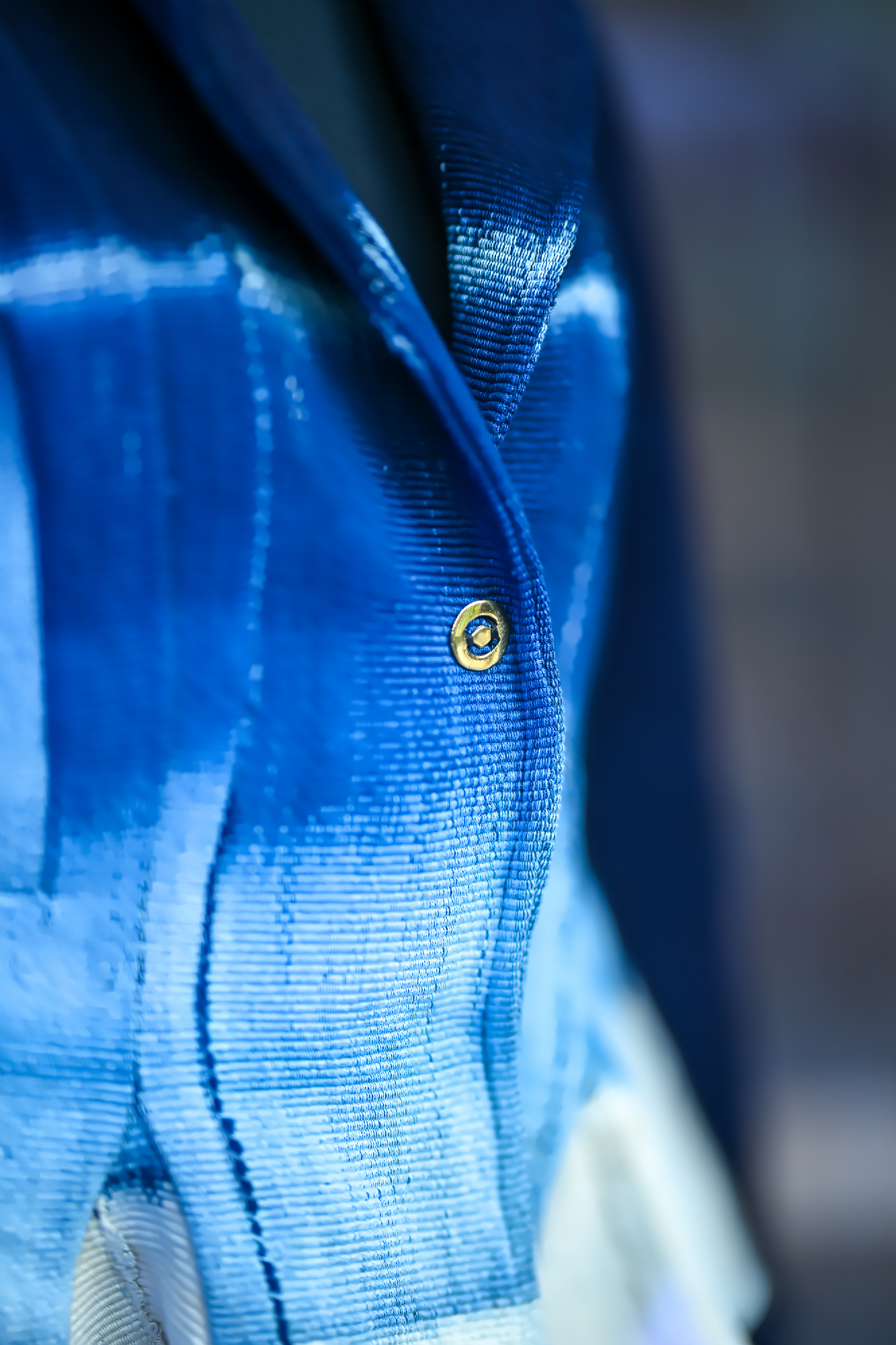
The House of Weaving reminded us of the cultural, spiritual and technical importance of loom-spun cloth. Olooh Concept by Ivorian designer Kader Diaby revealed some beautifully tailored pieces steeped in provenance. Two heavy cotton jackets were washed in deep blues representing the seashores of Assinie, a village outside Abidjan threatened by climate change. Bronze-cast birds hovered across each and were found again in the House of Foundry. “I constantly ask myself how African design, and more specifically the traditions from my region of northern Côte d’Ivoire, might have evolved if colonisation had not occurred,” he says of his practice. “Our evolution might have been similar to that of Japan: preserving ancestral know-how while applying it through contemporary uses. So, this is what I aimed to demonstrate through this collaboration… I hope that Orun leads to stronger frameworks, clearer standards, improved practices and increased investment.”
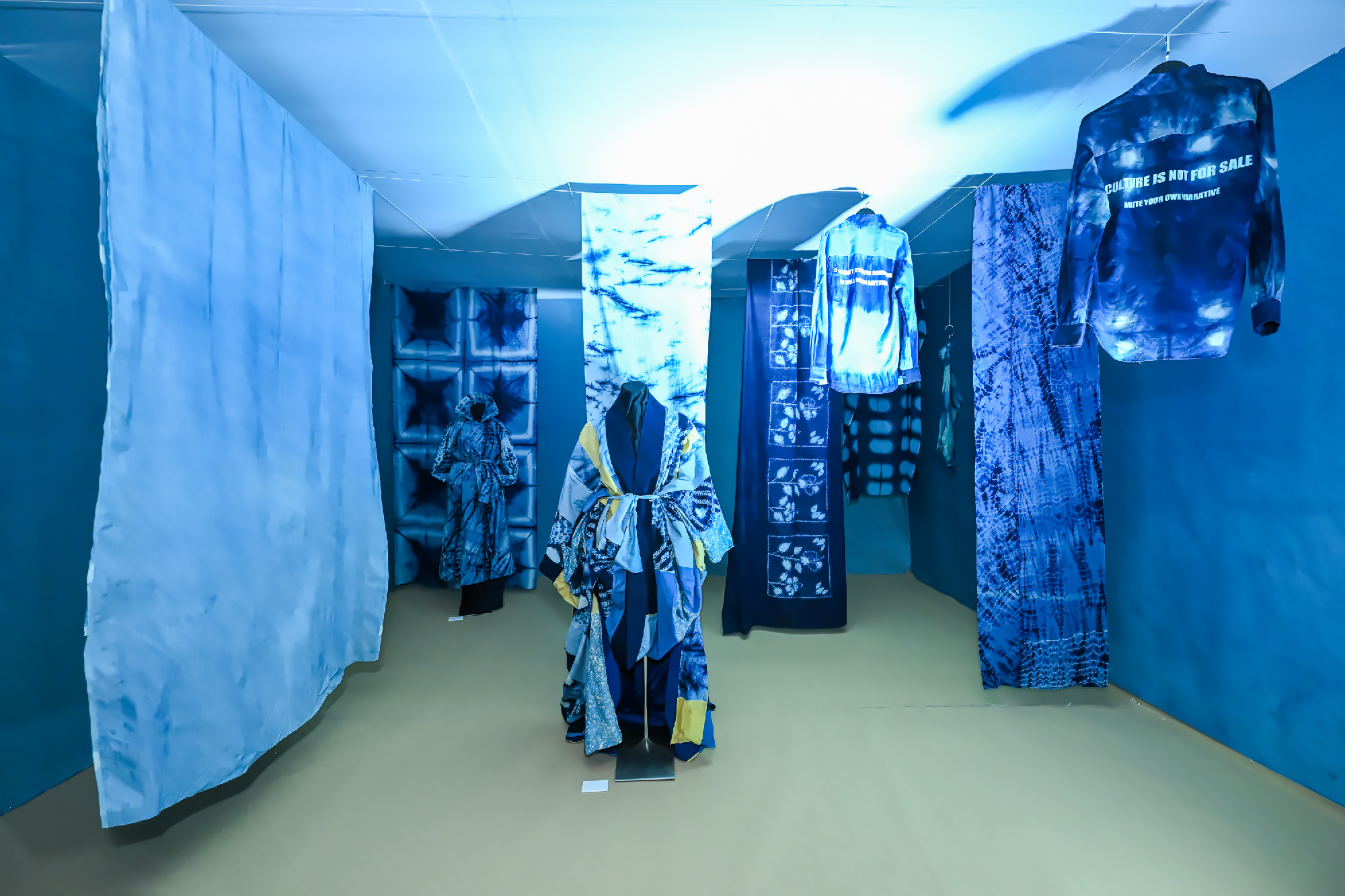
The House of Couture and the House of Dying explored the power of making to shape dress codes, evolve materiality and assert symbolic systems. Here Henri Philippe Maidou of Imi & Kimi (France, Central African Republic) presented a series of elongated looks created using indigo dyed cloth by Nadia Adanlé of Coleur Indigo (Benin). Each one was festooned with messages such as ‘Made by Africans 100% Human need to be free not to be saved’ and ‘Culture is not for sale – write your own narrative’. These mixed seamlessly with a jacket and palazzo pants by Roméo Moukagny and Yeane Vanié of ROMZY (Senegal) created using a canary yellow textile by master weaver Johanna Bramble (Senegal). A second look, a patchwork kimono, was also a collaboration with Coleur Indigo.
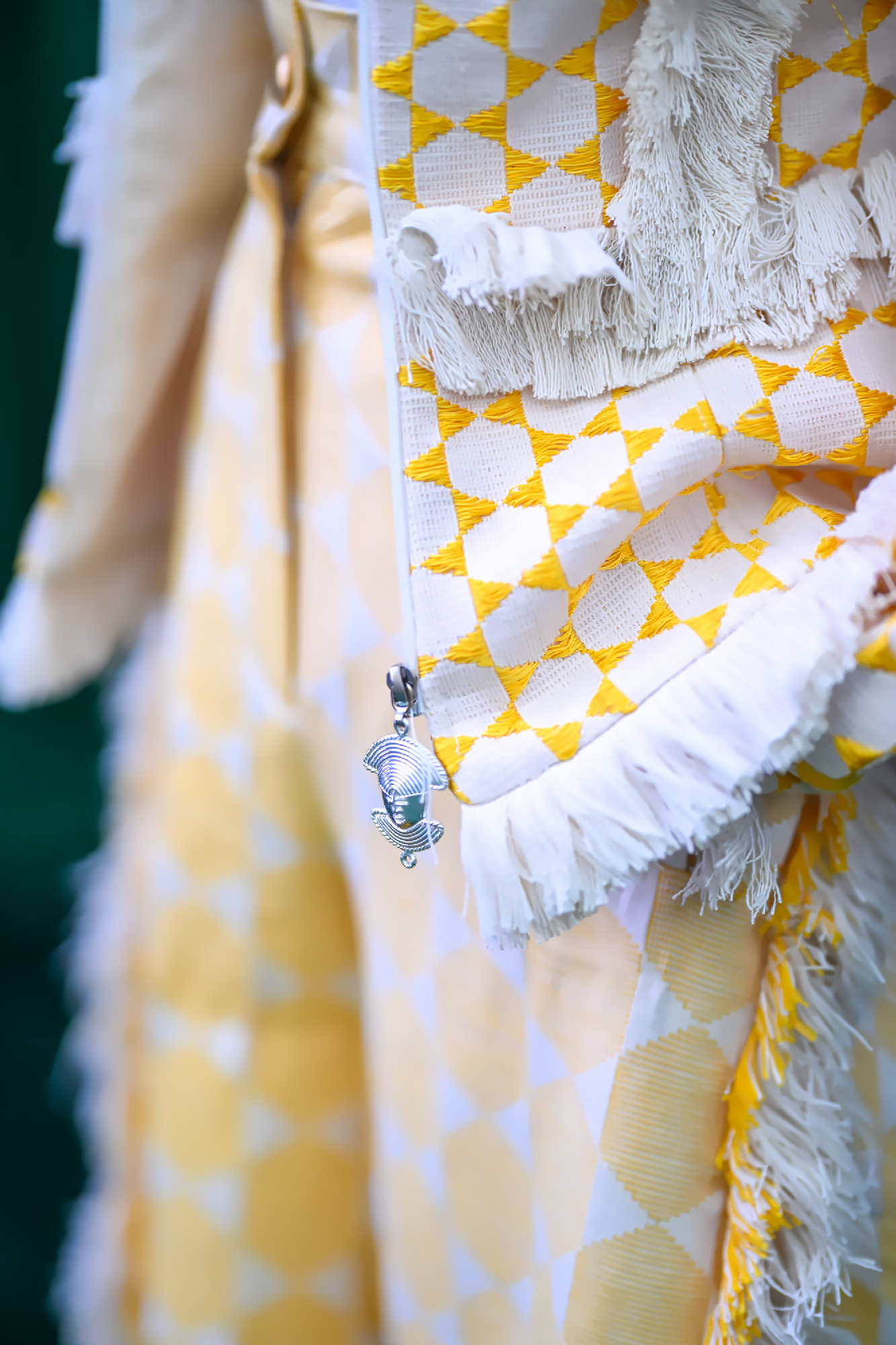
“One of the goals behind this work was to link traditional craft techniques, which are already mastered in their creation processes, to clothing design, in order to offer products with genuine traceability and made in Africa,” Moukagny and Vanié say. “Orun can lead us to become an established brand that has a positive impact on both our creative community and our societies, while respecting our values and our identity.”
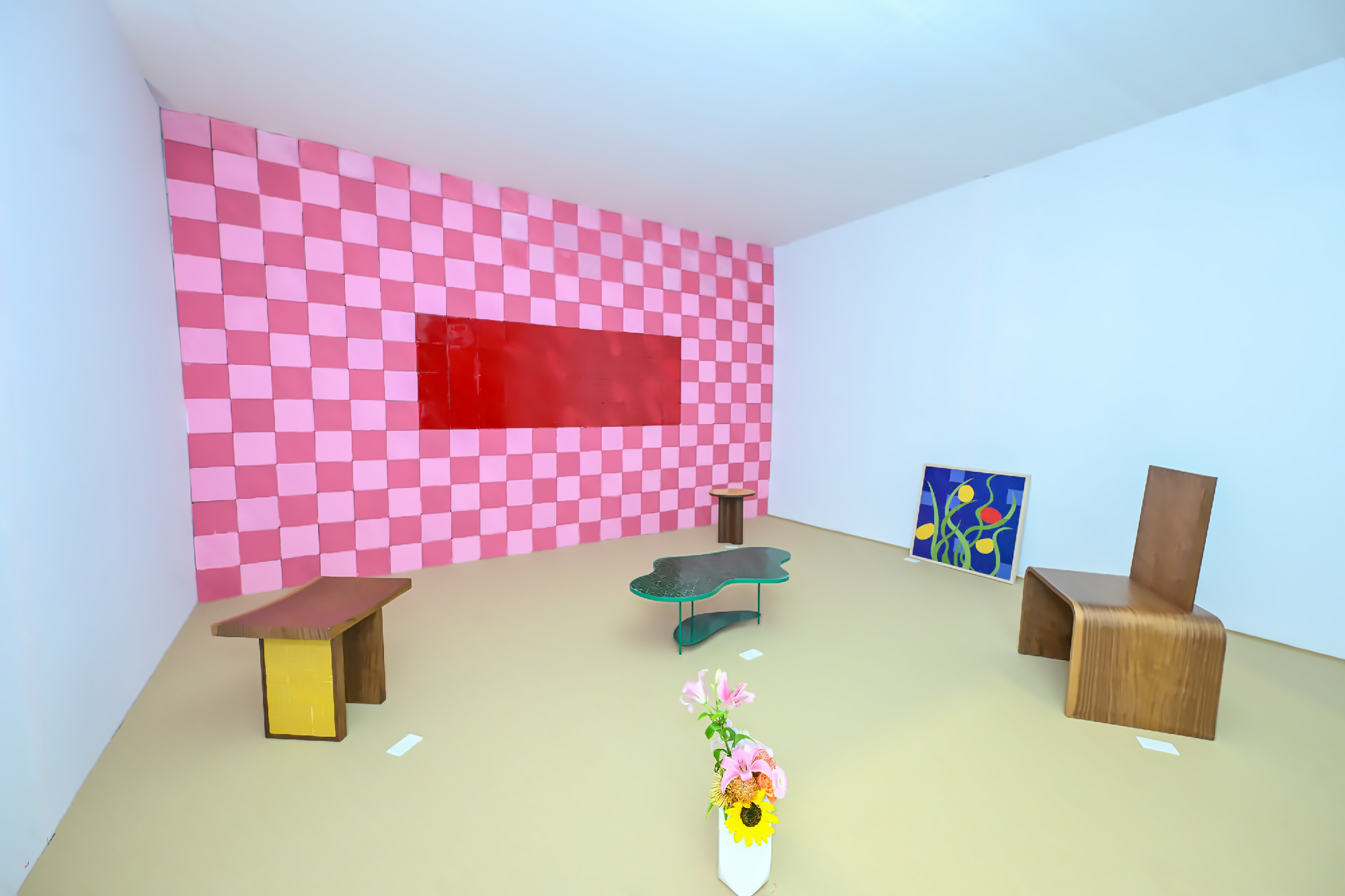
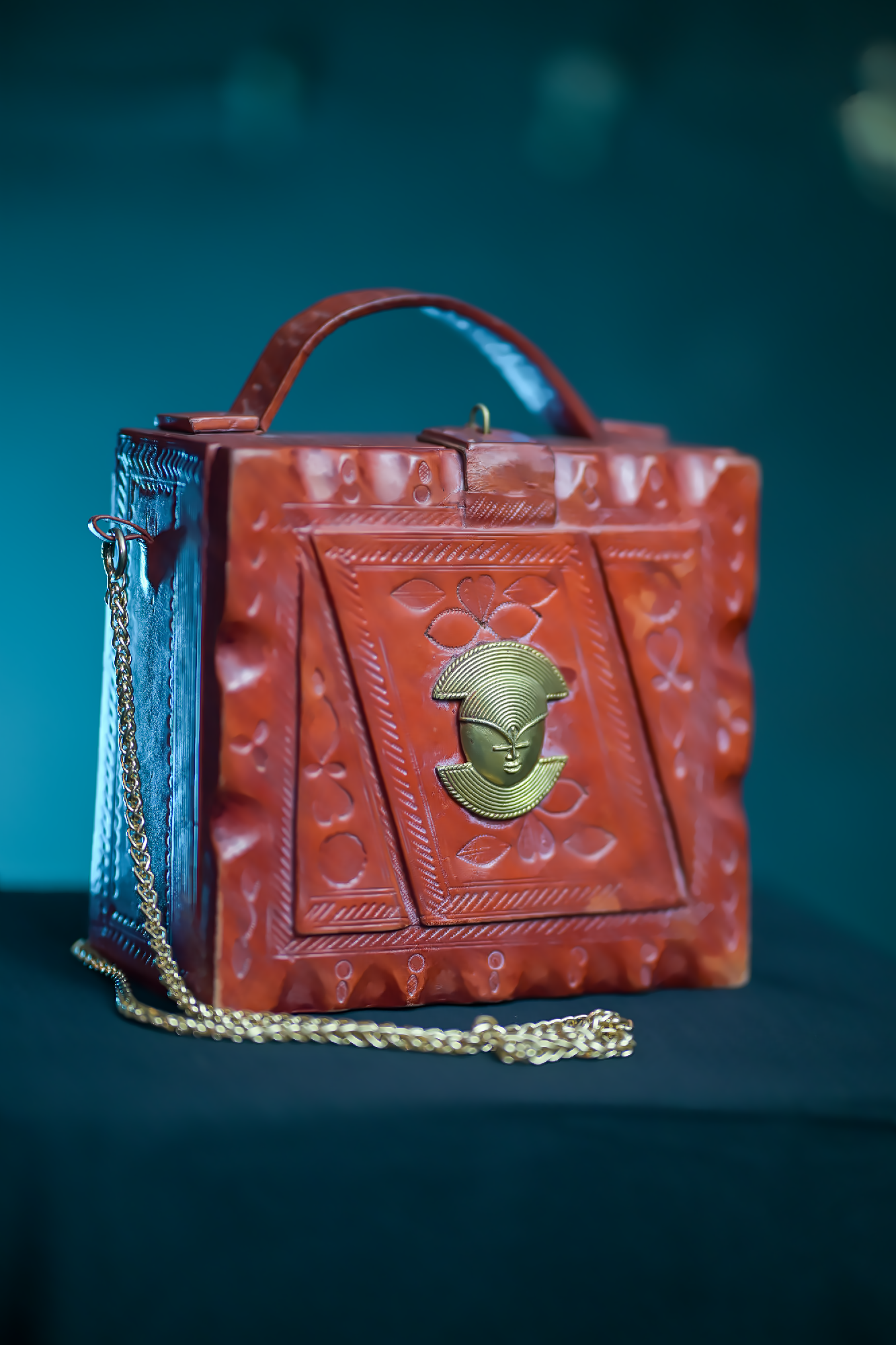
As the installation continued, we encountered the House of Tannery where Sonia Ahmimou of ASWAD (Morocco, France) presented her sturdy handcrafted leather rucksacks and pouches and Lucette Holland of CeeCee (France, Senegal) stepped forward with dainty heels and sleek trainers made in Dakar from surplus materials. And at the House of Ceramics, Kamil Hajji of Fen (Morocco) elevated the art of clay with his series of ergonomic tables featuring shimmering zellige mosaic tiling alongside checkerboard wall art and walnut woodwork.
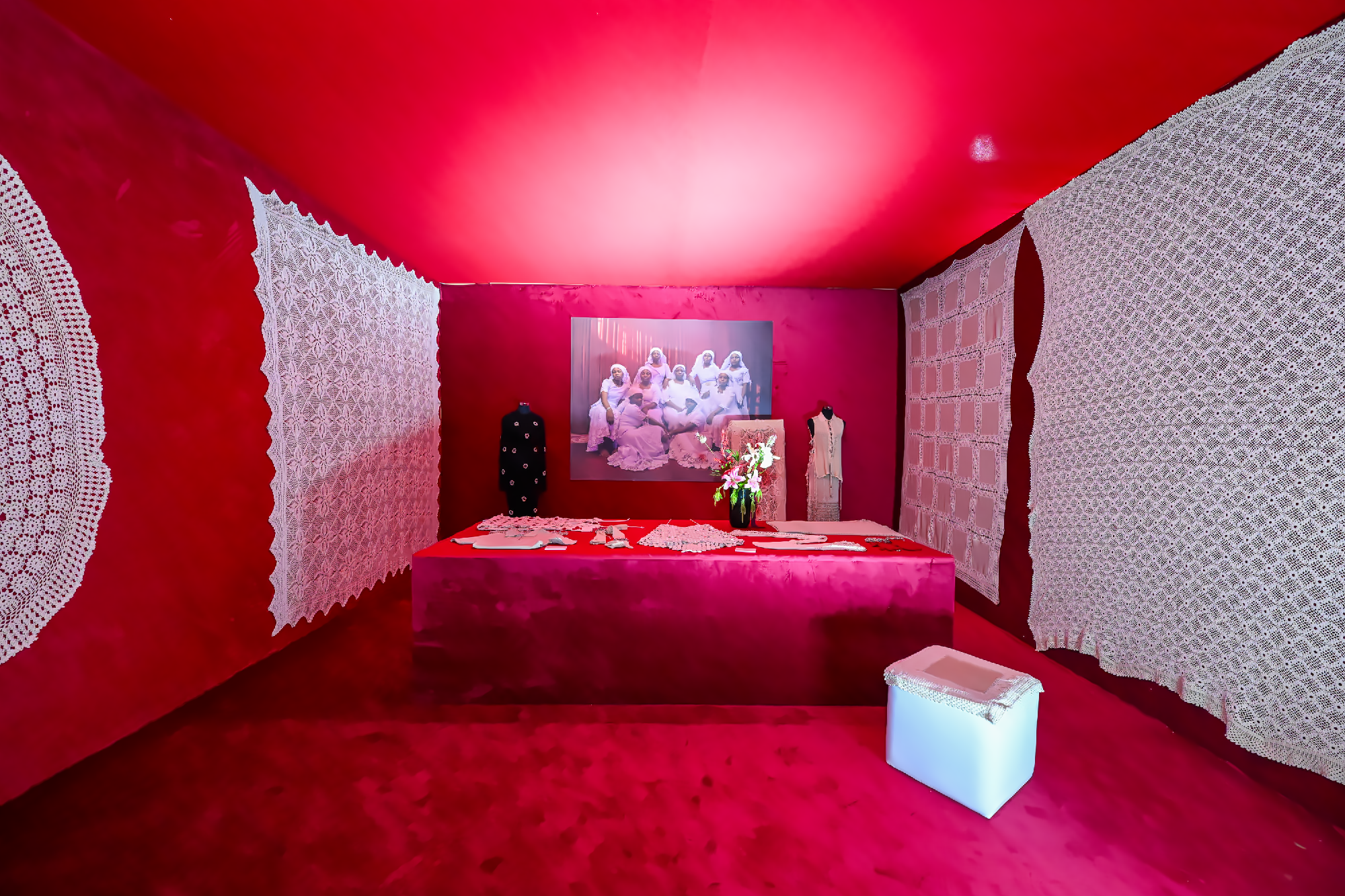
Completing the journey, the House of Crochet was hosted by Anil Padia of Yoshita 1967 (Kenya, France) whose sensual designs are made in collaboration with artisans in Nairobi and tell the stories of his Indo-Kenyan heritage. Adorned with silver bells and mirror crochet, these piece twinkle and chime to their own rituals. “I work with the Crochet Sisters, three single mothers who head up a team of 15 women,” Padia says. “From thread to finished piece, so much energy goes into handmaking each garment. It is an intense process for the artisans, who all pour so much hope into their work. So, what we’ve done together has been pure alchemy.”
The installation led onto an evening of celebration that expanded upon the Orun universe through live music, dance and the film debut of ‘Built to Outlast Time’, a manifesto piece taking us through the digital landscapes of past and future Africa. Although this is just the beginning, Thiero is proud of the seeds being sewn. “The event demonstrated that African and global audiences want meaning, lineage and continuity. They want stories that remind us that greatness is not self-declared, but inherited, embodied and passed on.”
Going forward, Orun will continue to facilitate mentorship and curated encounters. And by 2030, its ambitious goals include having incubated 50 brands, trained 1,000 artisans and established 10 production hubs across the continent. After that, it comes down to legacy. “Orun is meant to outlive individuals. Success is when a designer trains another designer. When an artisan builds a workshop that employs others. When a filmmaker retains ownership of their work and reinvests locally,” she asserts. “For those involved, success will mean stability and recognition without compromise. If Orun contributes to making that possible in a lasting way, then it will have achieved its purpose.”