
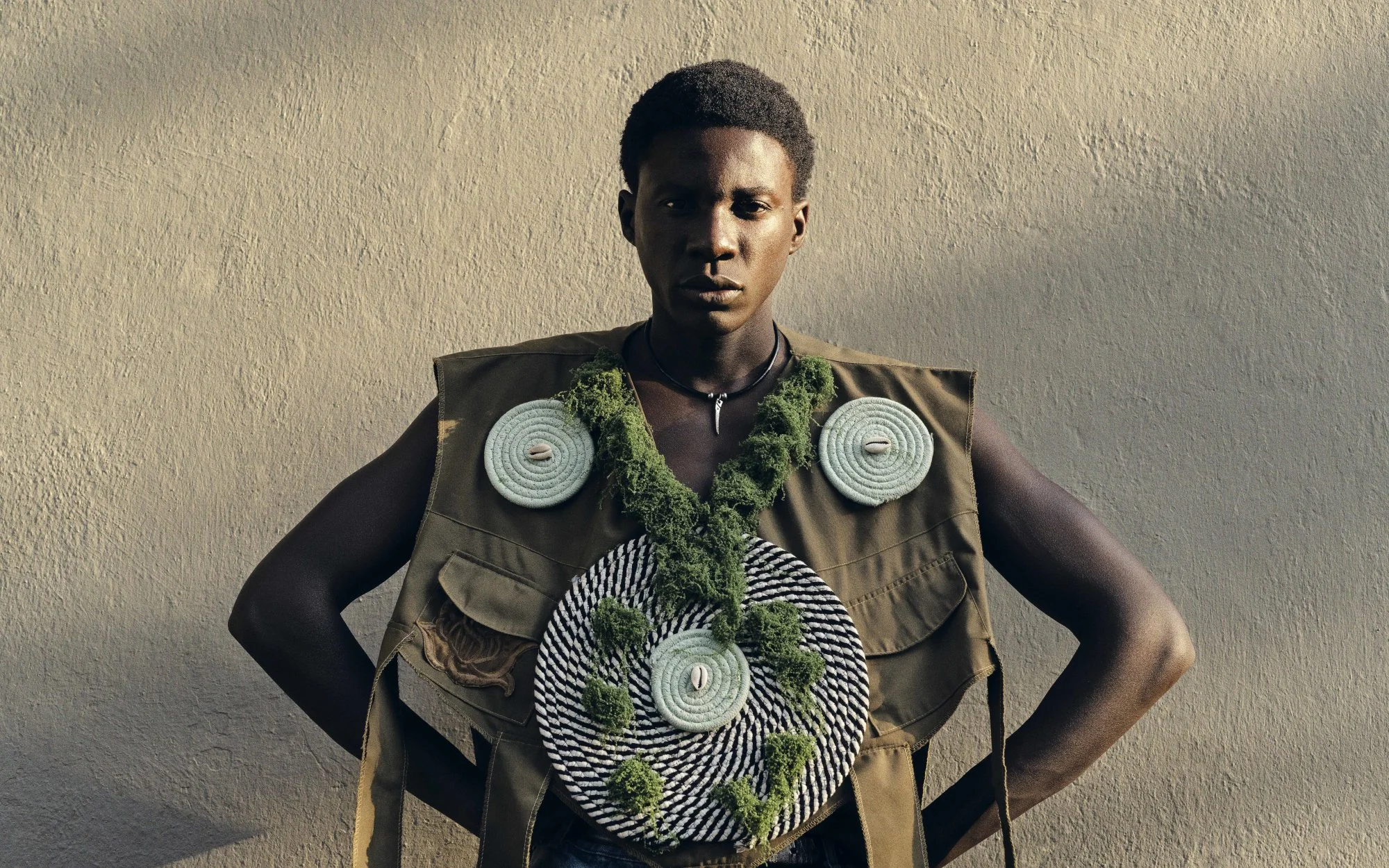
NATAAL reports from Zimbabwe Fashion Week as it continues to nurture the country’s budding fashion landscape
“It’s the joy I see. That’s what motivates me to keep pushing Zimbabwe Fashion Week forward,” says Priscilla Chigariro, glowing backstage as her 2026 edition rounds out in Harare. “There’s no other major events championing the fashion industry here so I get gratification from giving designers a platform and seeing how much everyone loves and needs it.” Having originally established ZFW in 2009 with just 10 designers, it’s become one of Africa’s most enduring fashion weeks, now showcasing well over 50 talents. “Plus, we’ve seen a real step up this year, from the designers and models to the photographers, all working hard to get where we’re at,” Chigariro continues. “But a fashion week alone isn’t enough. We also need to build a viable local industry.”
To that end, this year’s theme ‘Sown’ went beyond the catwalk to explore Zimbabwe’s storied relationship with cotton as a vital cultural and commercial resource. By tracing the journey from verdant soils through to desirable fashion collections, ZFW aimed to signal how homegrown textiles and talents can better build its still-nascent creative landscape. As such, ZFW kicked off with a series of educational business talks delving into the current value chain and the pathways to a more integrated African fashion eco system via investment, infrastructure and ownership. Hot topics included the ethics driving AI technology, gaining visibility within international media and sustainable sourcing strategies.
In addition, exhibition and retail spaces allowed audiences to get up close to key brands such as Soleil by Ropafadzo Mapira. Fresh from representing Zimbabwe at the British Council’s Creative DNA showcase during Africa Fashion Week London, the designer displayed ‘Memories of Harare’. “The collection is about building your life here, being a free spirit and remaining strong through the happy times and the hard times,” Mapira explains. Her conceptual range, made from linen, hemp and deadstock upholstery fabrics, paired dramatic kimonos and cloaks with beautifully pleated trousers. “Harare is constantly absorbing global influences and translating them through its own culture – and Soleil does the same. It’s about allowing our own experiences and histories to shape what they become,” she adds.
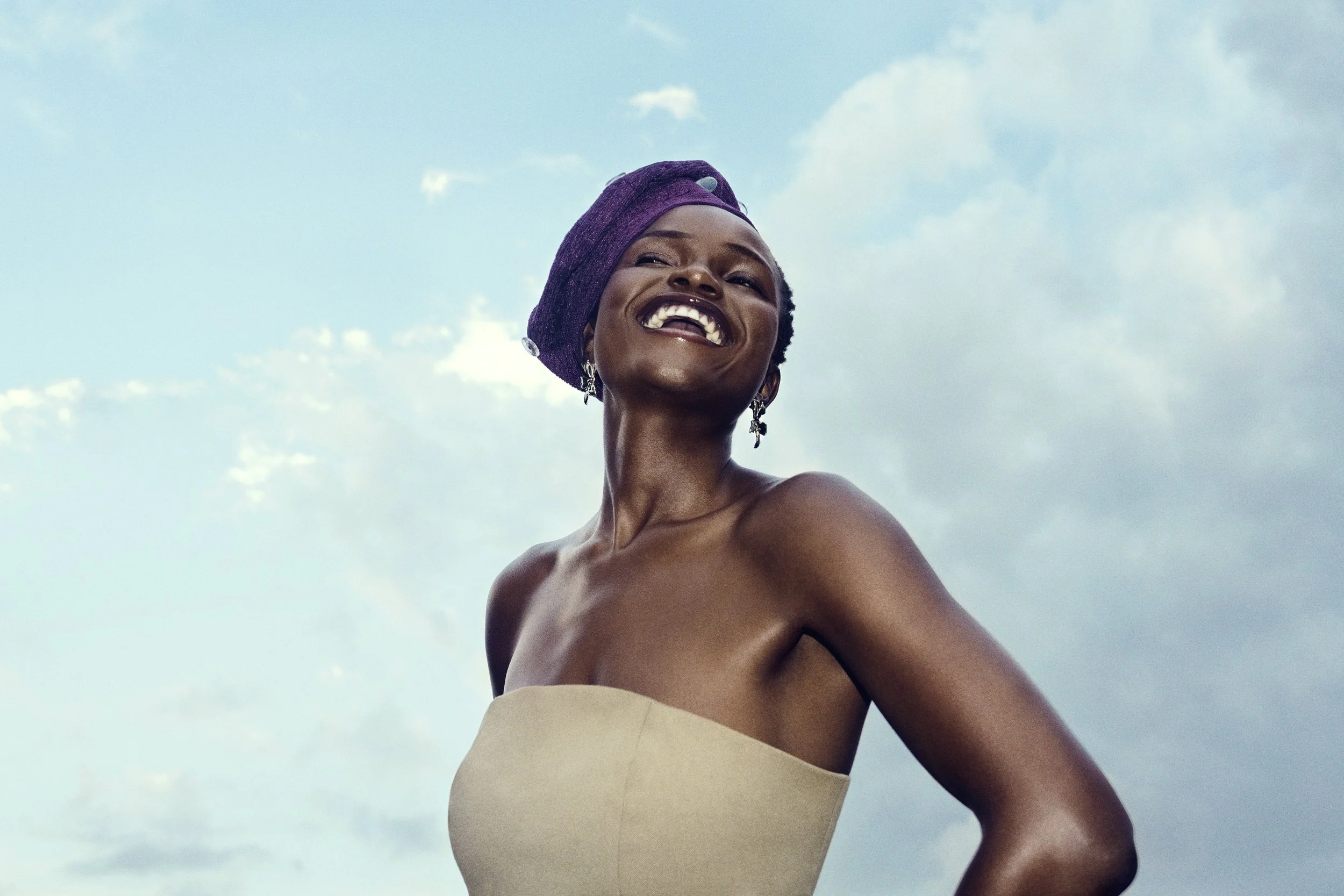
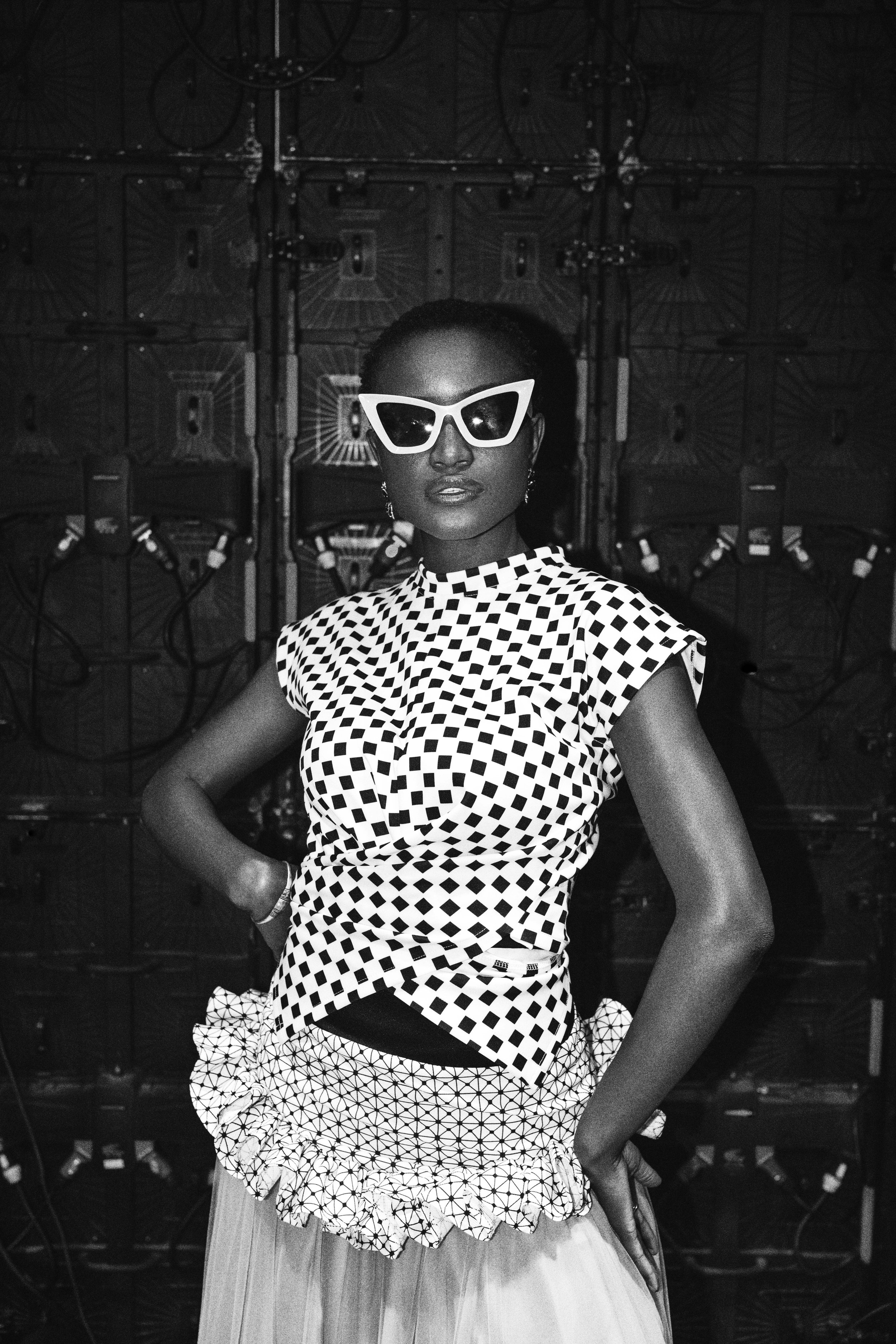
“I get gratification from giving designers a platform and seeing how much everyone loves and needs it"
Priscilla Chigariro
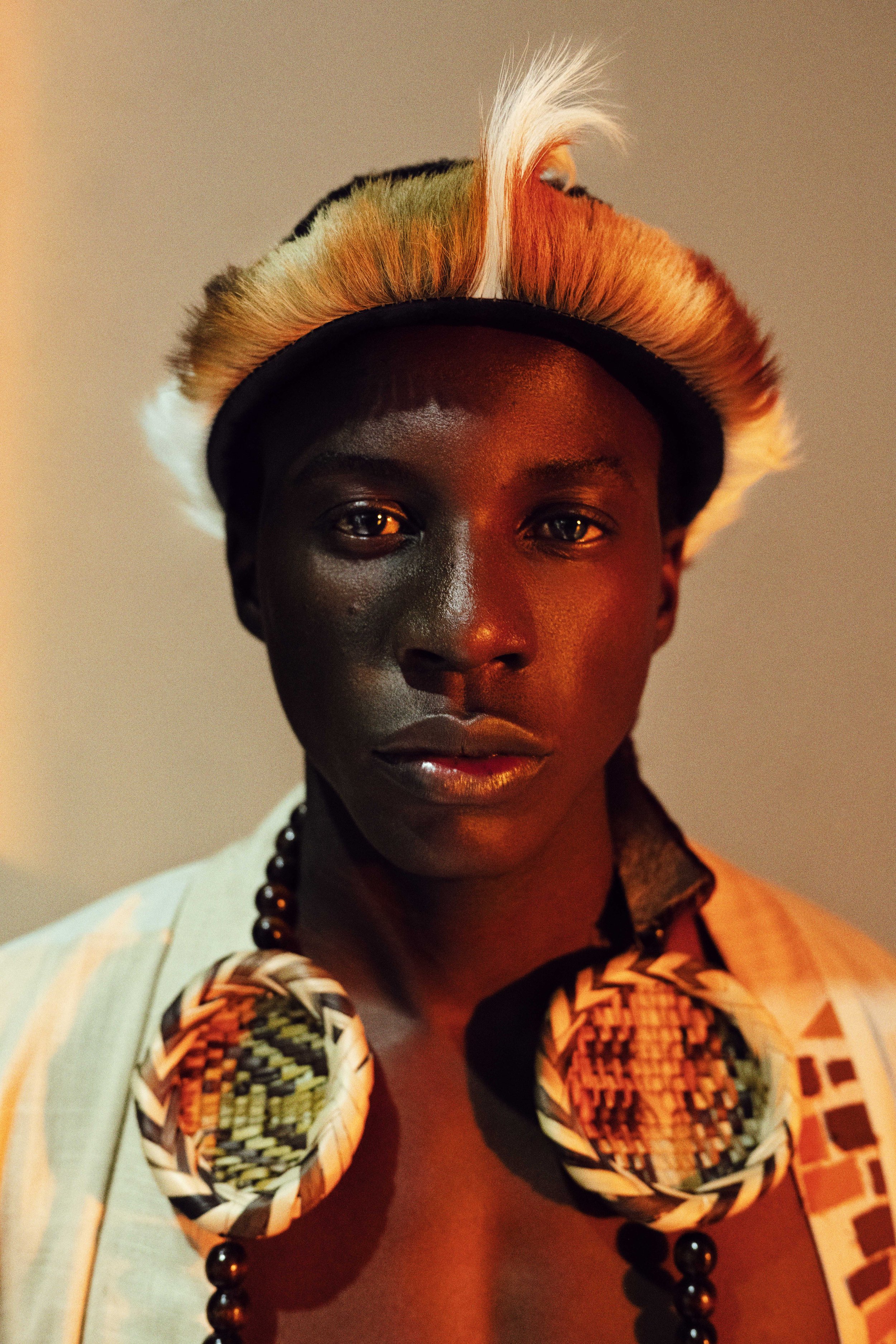
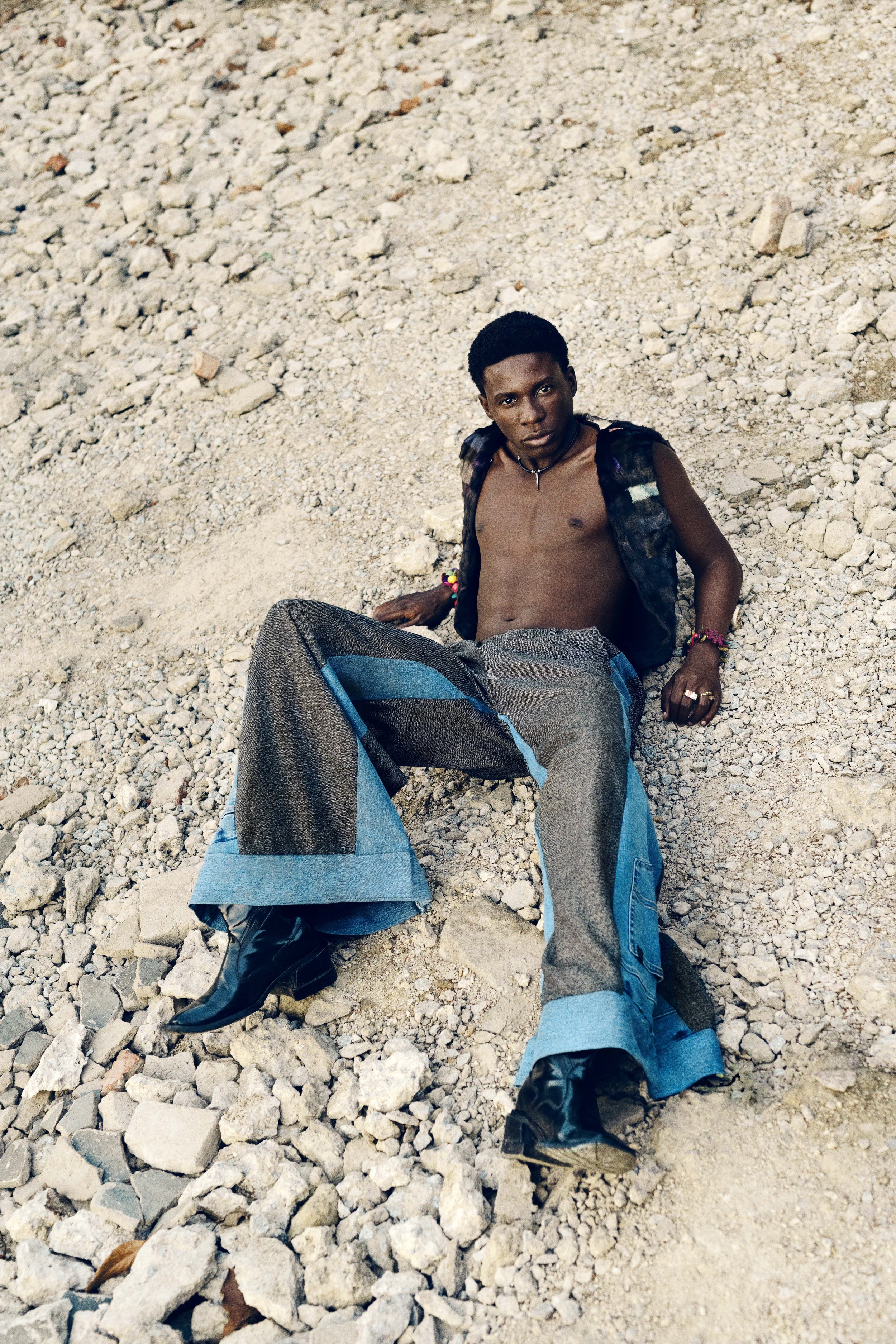
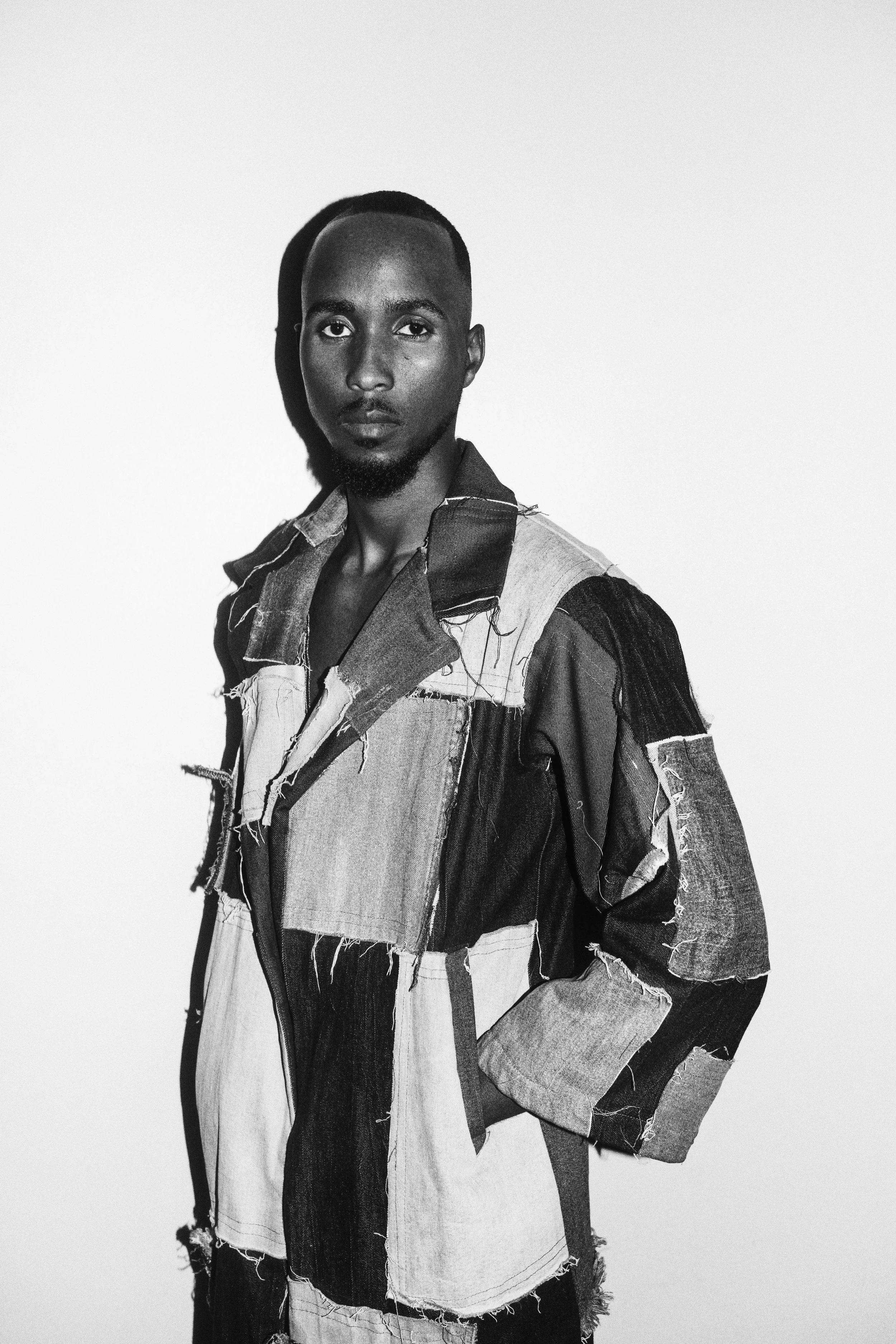
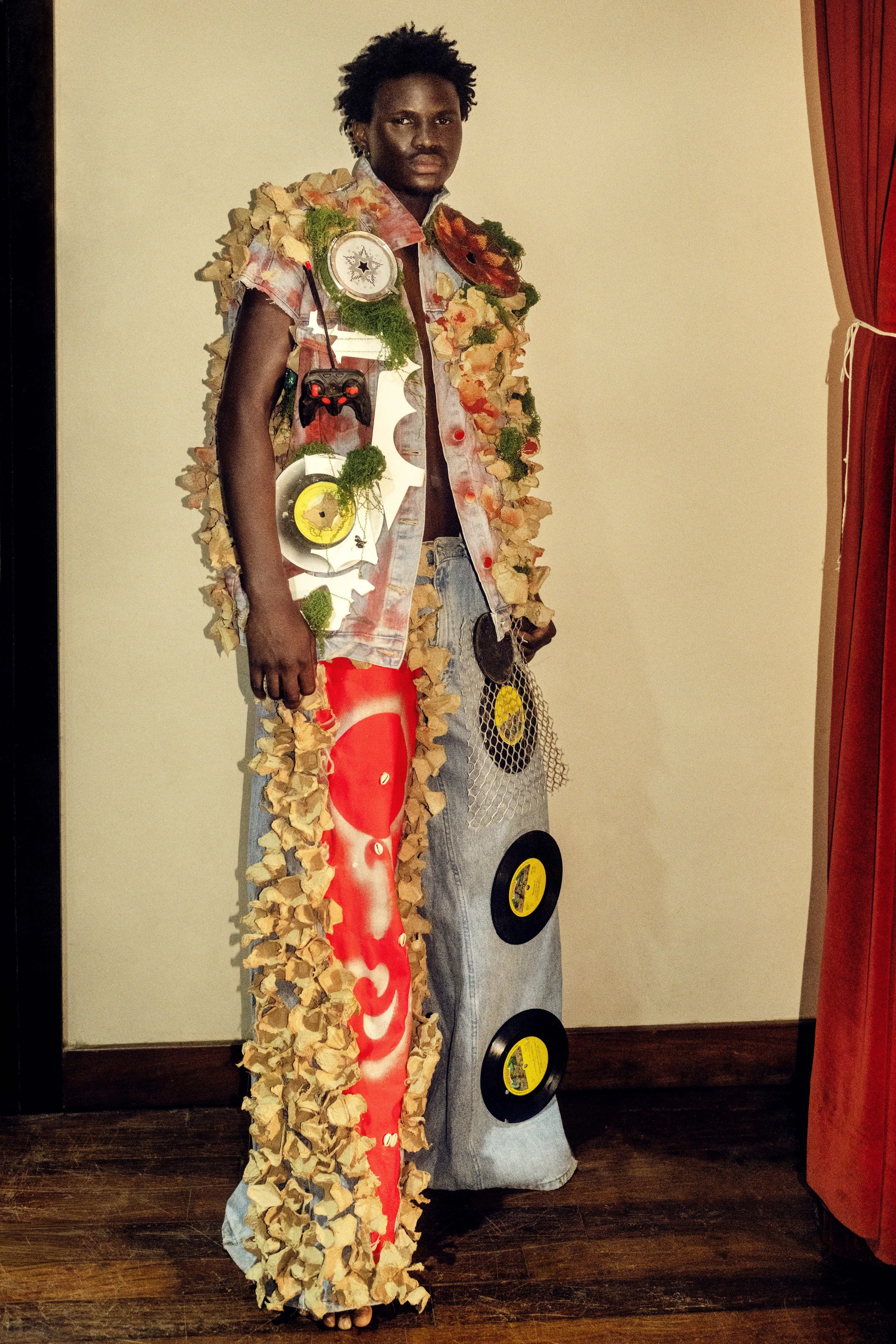
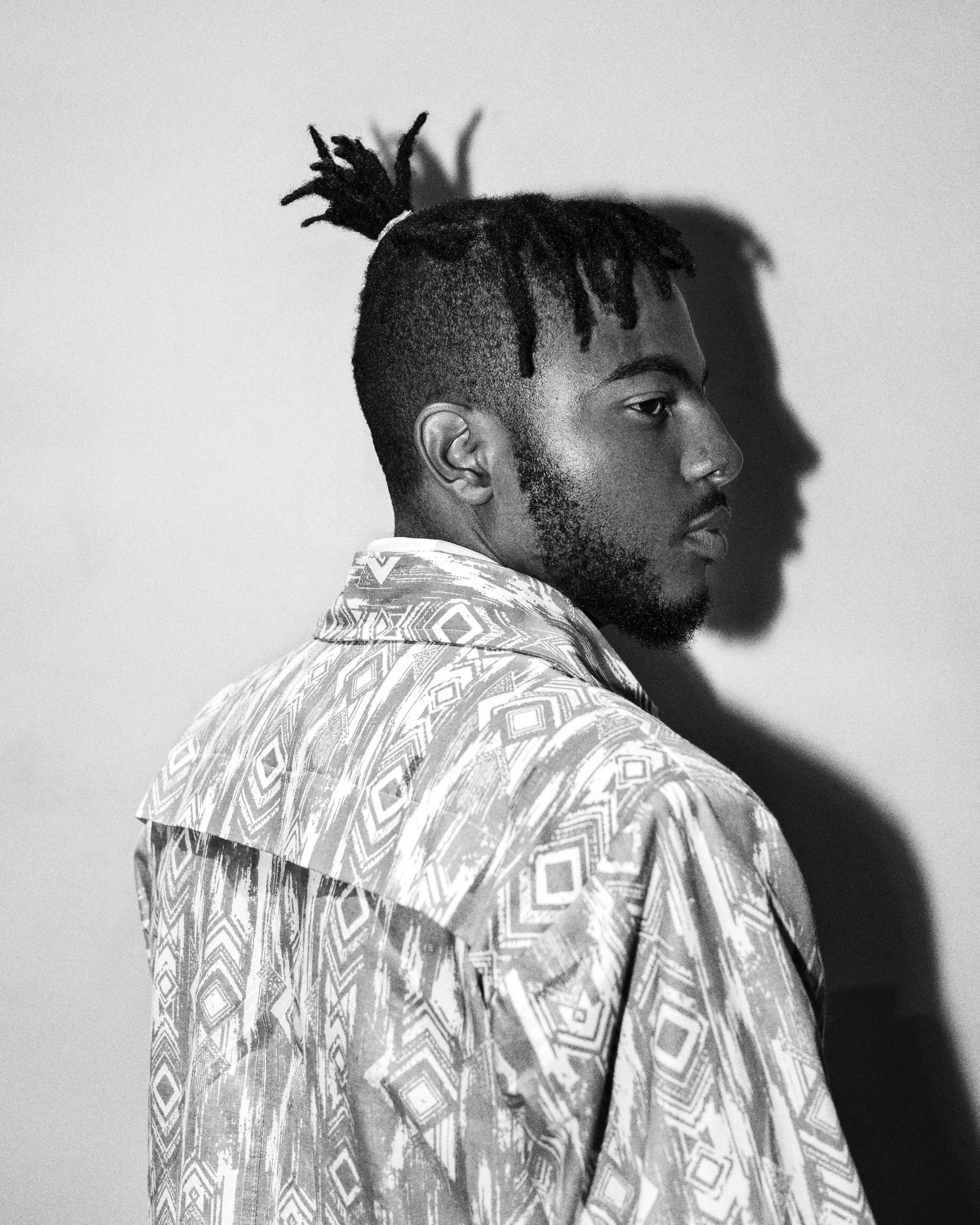
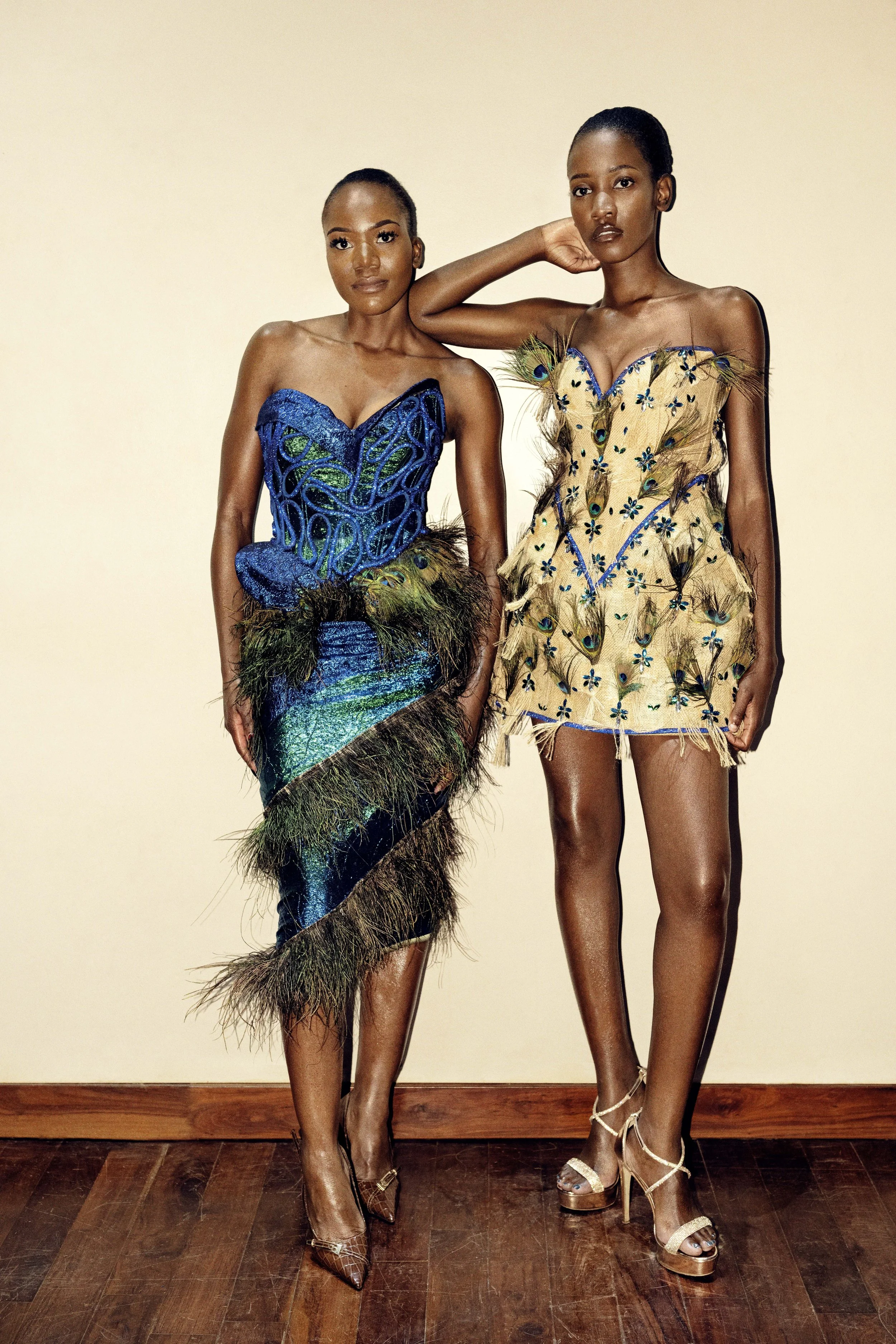
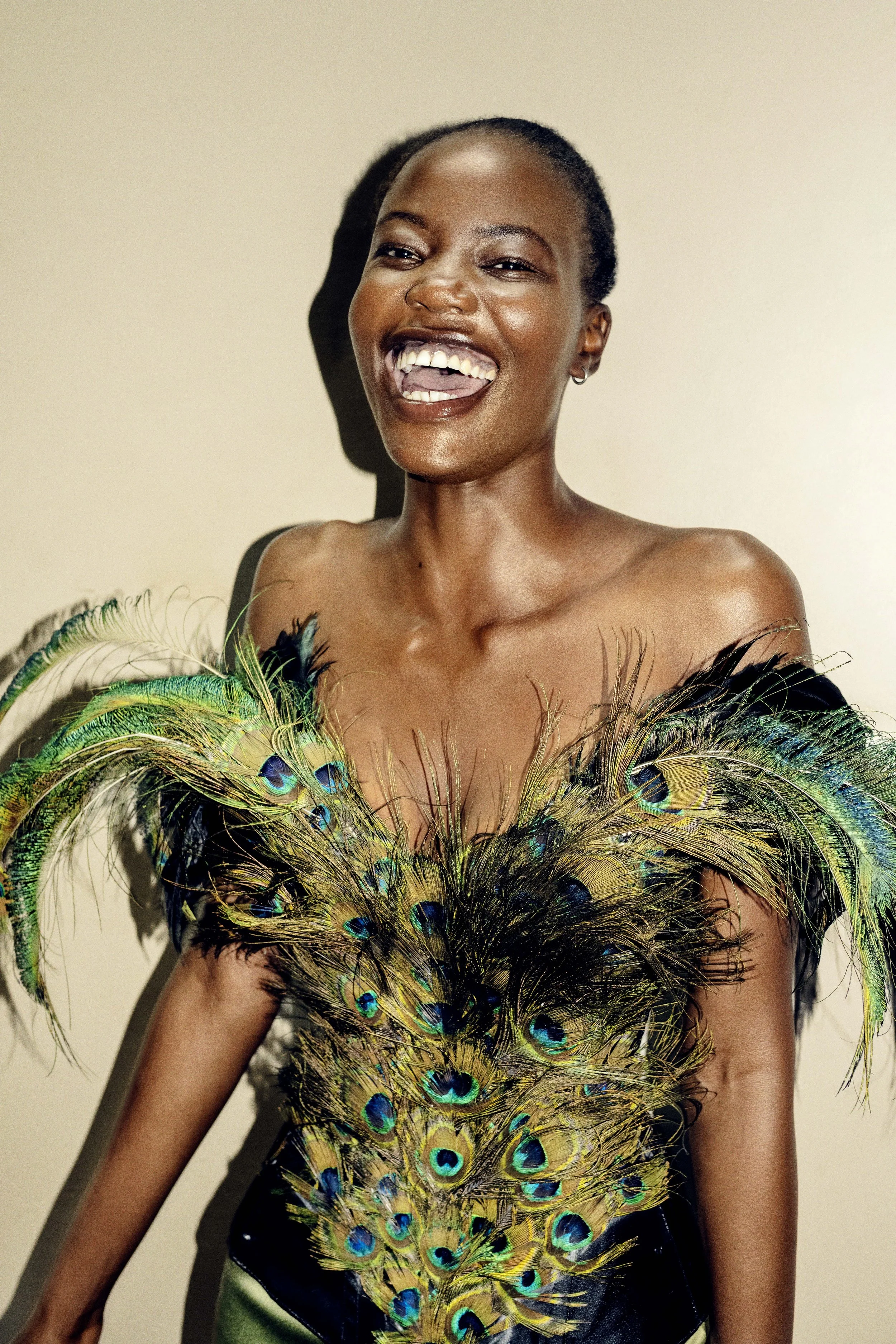
Then onto the catwalk, where three evenings of shows brought together both emerging and established names to run the gamut of artistic expression from the region. David Whitehead Textiles hosted a collective of designers who put its locally-produced cottons to the test. Chief among them was Seguru Denims by Afro-fusion musician Philip Ganizani aka Segulm, who sent out an army of fearless warriors in upcycled looks festooned with spray paint, cowrie shells, safety pins and patches. Other standout streetwear moments came courtesy of Satclo’s safari suits and #ByBakari’s logo-emblazoned shorts. Meanwhile, elevated eveningwear was thrown into focus by some of Zimbabwe’s most esteemed names. Tapfumanei Munenge’s hourglass creations shimmered with ostrich feathers and lamé. Neve Atelier’s dresses called to the wild with their wing-like arms, vampire collars and bamboo skirts. And Esther Austin offered regal gowns fit for African queens.
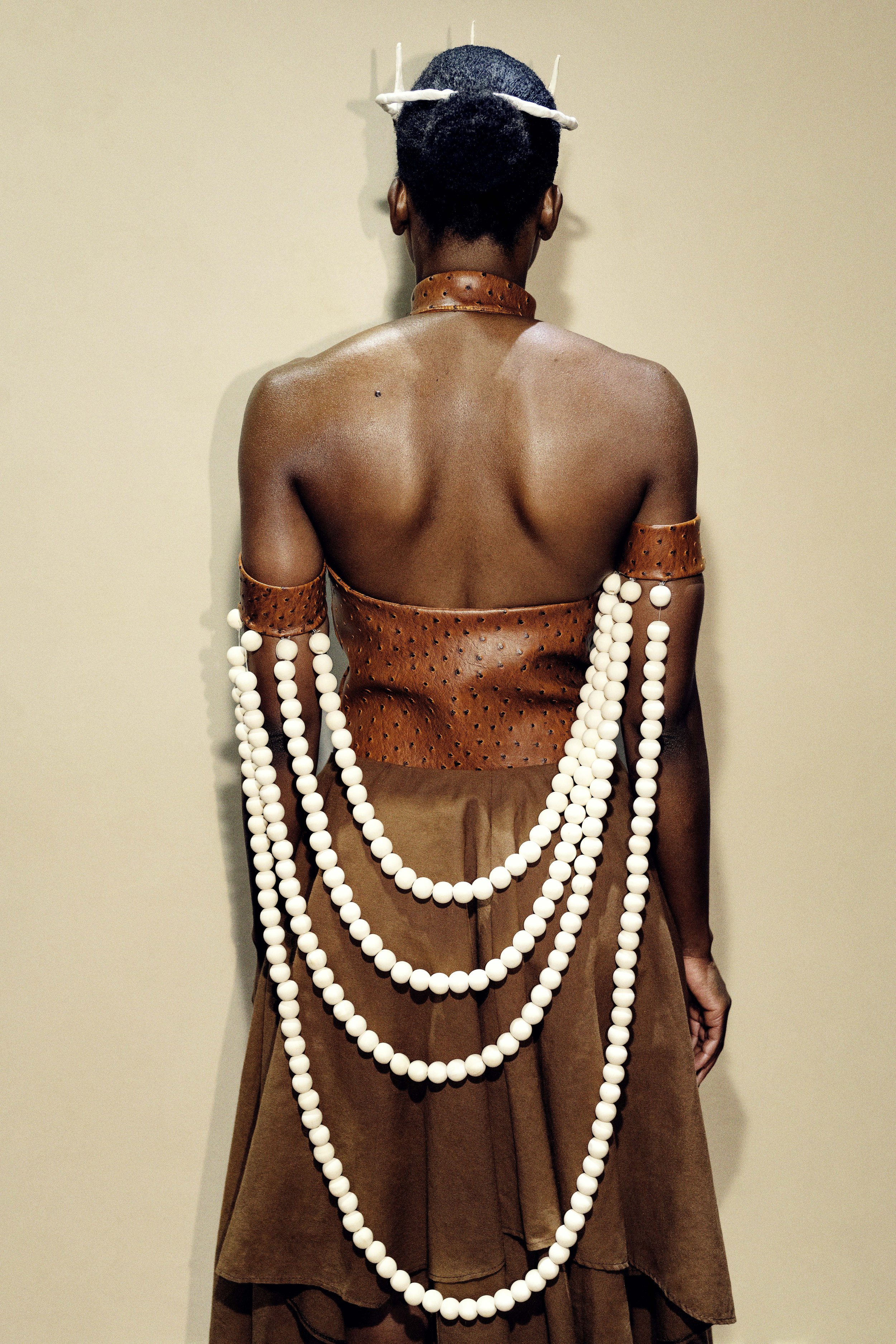
An equally strong thematic thread was felt in the work of designers who proudly put their heritage into every stitch. Machuma Africa (accessories) joined forces with Ceca Couture (womenswear) and PatCh Maoko (bags) for a celebration of the “Zimbabwean woman and the culture she carries through everyday life.” Inspired the mbira, reed mat, tswanda, firewood and beads, the collection uplifted local craftsmanship and weaving communities through each earth-toned ensemble. Similarly, Ruby’s Touch dedicated its collection of embroidered robes to the spirit of Ubuntu (I am because we are). And Golden Touch’s monochromatic pieces were wrought through with subtle wax prints.
Going beyond borders, Zambia-based Empowerment Design Studio returned for its second year at ZFW. Founded by Austrian-born Pia Hintz and part of the Life Trust NGO, the brand works with women artisans in Kabwe to imagine, create and make its ethical collections. “We eat together. We live together. We design together. And from that relationship, something natural and organic grows,” Hintz says, whose ‘Community of Common Destiny’ collection evoked the romance of the rainy season. “We closed our eyes and asked, what do you see and feel when the rain starts? At that moment when you’re sheltering under the mango tree, who do you form impromptu relationships with? The rain becomes democratising as the school girl, bank manager and market vendor all come together. It’s that inter-dependence that becomes our wealth,” she adds.
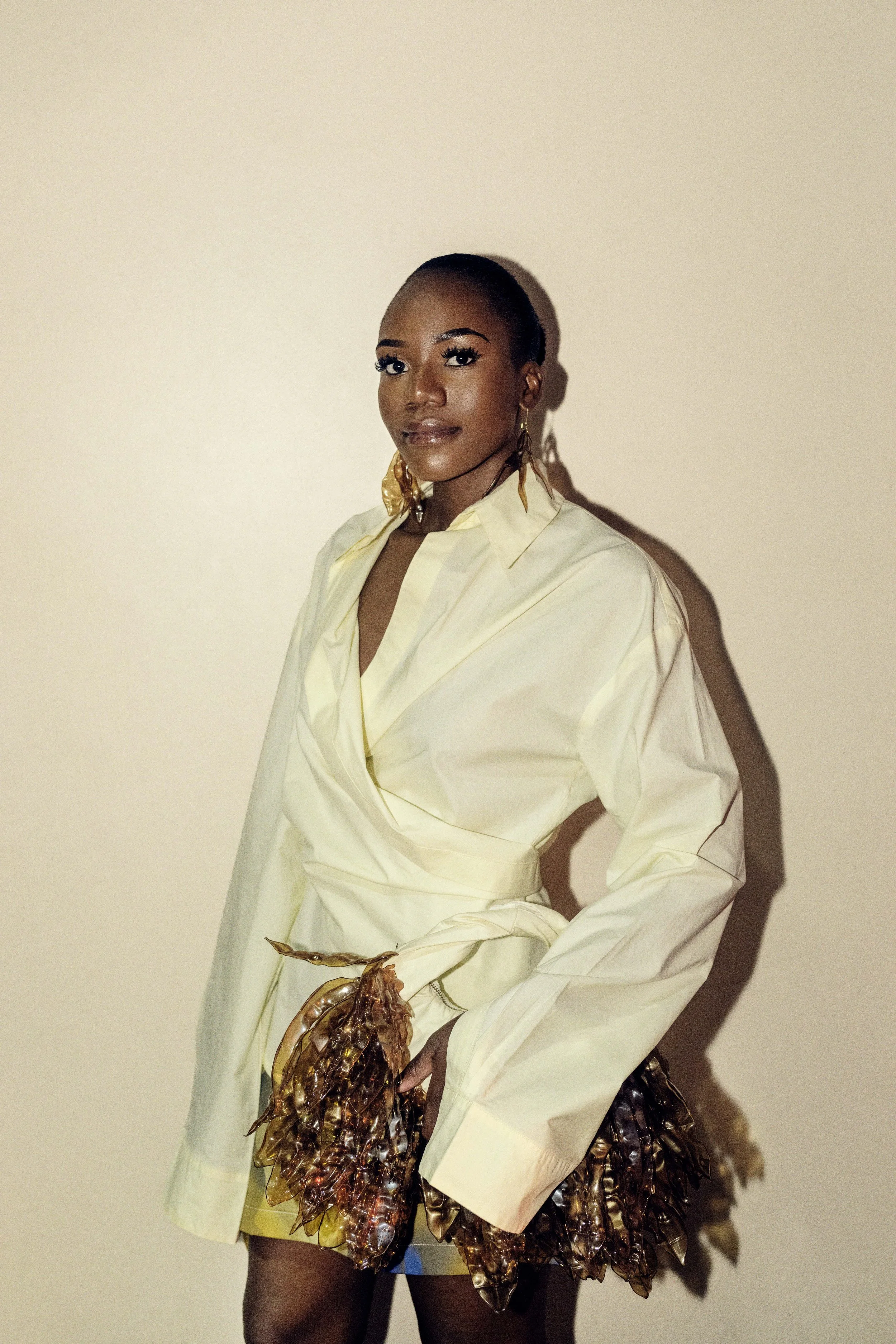
Looks merged into one another as references to workwear and uniforms all surrendered to the storm. Pinstriped trousers melted to the floor. Boxy chiffon jackets dripped with inky blue beading. And draped silhouettes rustled with golden leaves made from plastic bottles. “There is no fashion week in Zambia. We’ve shown in Vienna but we want to collaborate locally, and as soon as we touched own at ZFW we could feel its genuine heart.”
“As soon as we touched own at Zimbabwe Fashion Week we could feel its genuine heart"
Pia Hintz
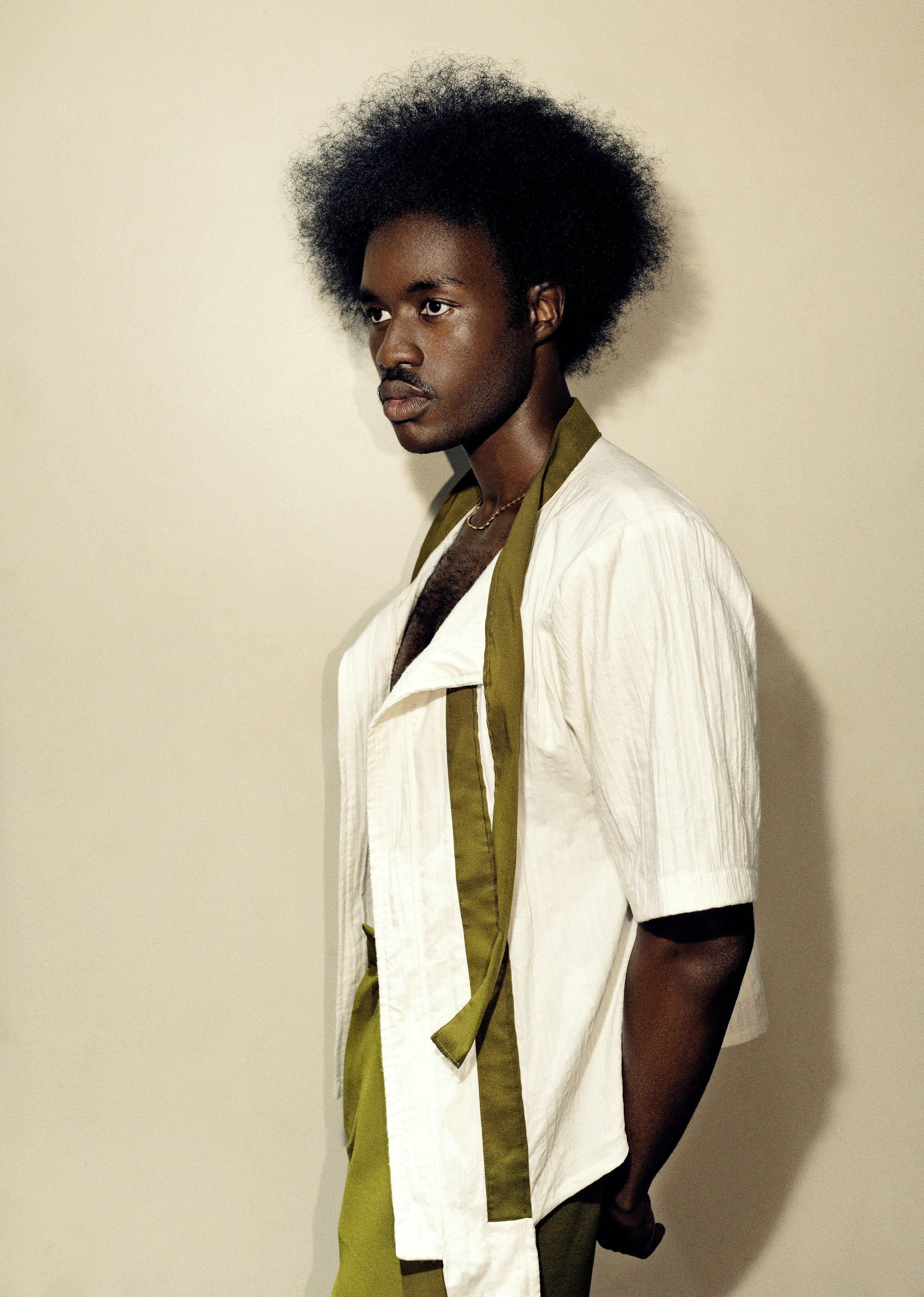
Another highlight came from Osley Chaza of Elizaé Couture. Her quietly confident ‘Roots’ collection comprised handkerchief skirts, combat trousers and strapped shirts in cream and olive linen. “The collection is inspired by my growth in fashion over this past year and going outside of my comfort zone,” the young designer says. “I used fabrics that feel soft but have a strong texture, which speaks to resilience.” Fellow fledgling designer Bethany Magaya of Mawoko presented a selection of demure, day-to-night looks ranging from pinafore dresses to silky trouser sets. Since studying in Australia, Magaya has returned home determined to be part of transforming attitudes. “Unlike countries such as South Africa and Nigeria, the general population in Zimbabwe doesn’t accept the notion that our own fashions can be luxury. But we’re on the verge of something new and ZFW is part of that movement. We have a way to go but we are stepping up.”
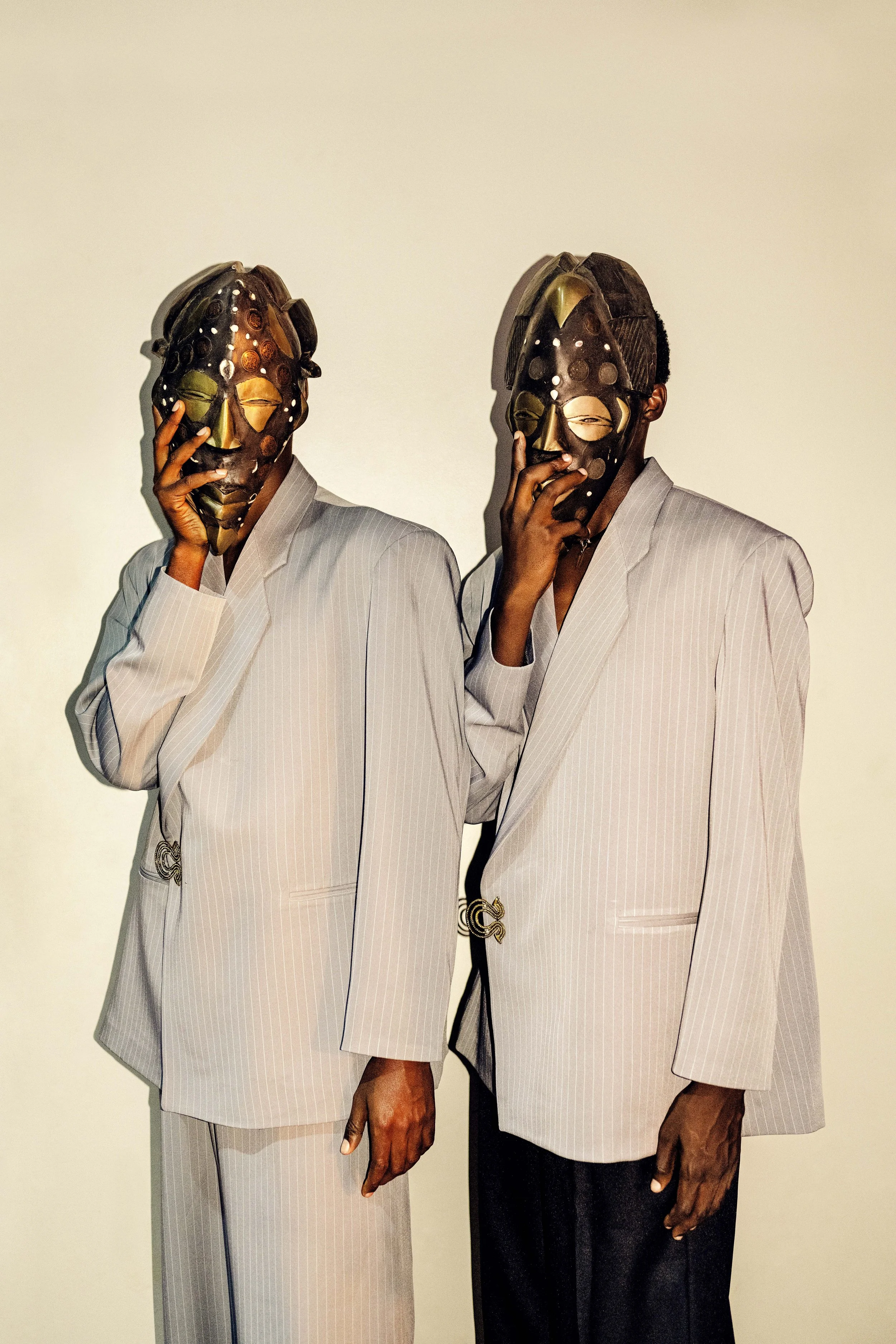
Zimbabwe’s fashion future is in the hands of this next generation of Zimbabwe talent, and none more so that 15-year-old Evelyn Mubochwa. Following in her father Thembani Mubochwa’s footsteps, the family brand AfroJumbo wowed ZFW with its oversized suiting that became increasingly louche as the show progressed. “I wanted something playful but also sophisticated that mixes global trends with an African sensibility,” she says. “My dream is to take the brand to Milan and Paris but I’ll never lose my roots. No matter where I go, I will always represent Zimbabwe as something we can all look up to.”
“We’re on the verge of something new and ZFW is part of that movement. We have a way to go but we are stepping up”
Bethany Magaya
Words Helen Jennings
Photography Tatenda Chidora
at Lampost Creative
Retouching JP Hanekom
Visit Zimbabwe Fashion Week
Published on 26/10/2026