
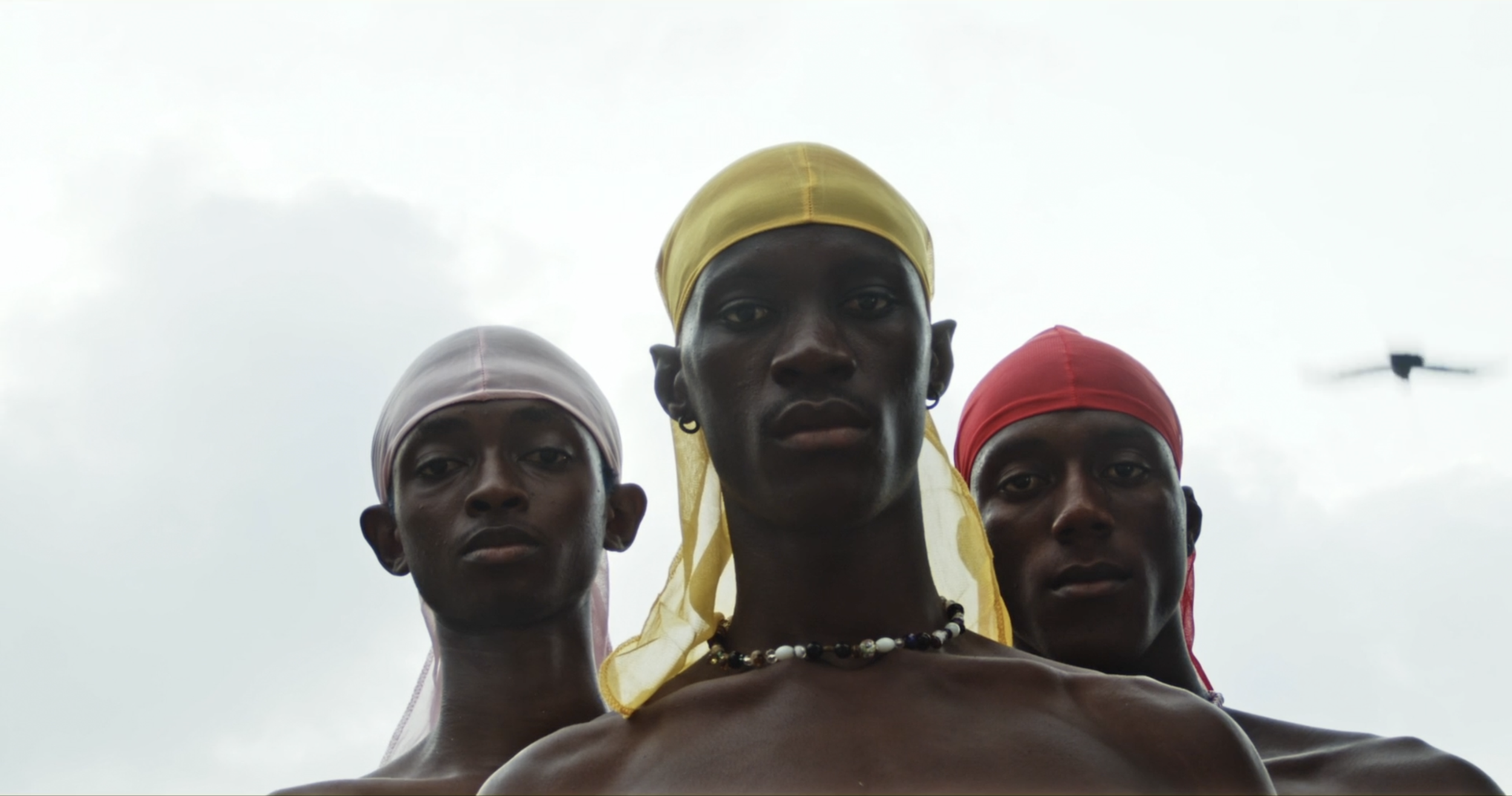
Priscillia Kounkou Hoveyda’s latest short film explores love and freedom in Sierra Leone
“My work as a human rights lawyer was really in the margins,” says Priscillia Kounkou Hoveyda, recalling years spent securing the release and reintegration of child soldiers in conflict zones. Working closely with communities rarely seen in global narratives pushed her toward filmmaking as a way to tell those tales differently. “I kept thinking, why do we only hear one kind of story about Africa?” Now that question sits at the heart of her filmmaking. Complicating what we think we know about Black life on the continent and in the diaspora, she rejects the narrow, simplified and predictable. “Most narratives about Africa are either normative or told through a Western three-act structure,” she adds. “Yet some experiences demand their own format. Not all stories should be forced into the same mould.”
Born Congolese-Iranian, partly raised in Iran, she studied law and business in France and the US and gained experience in the field before moving to Sierra Leone in 2021. “Freetown shaped a lot,” she says, without hesitation. Here, she has folded herself into a creative, fluid, largely queer community that exists beyond rigid societal lines. “There’s something magical about it. I wanted to celebrate the Freetown I know, the vibrant one that isn’t usually centred.”
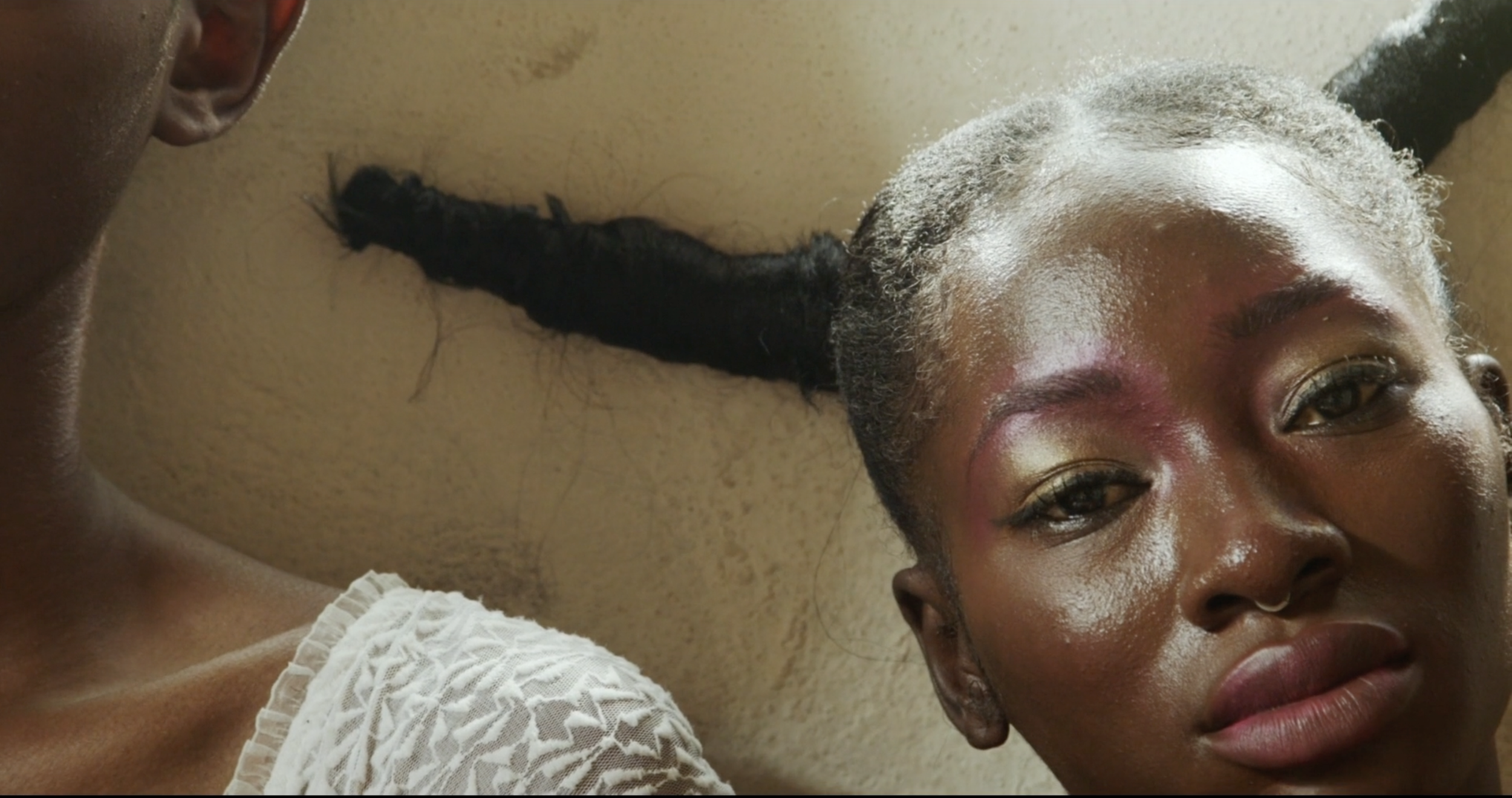
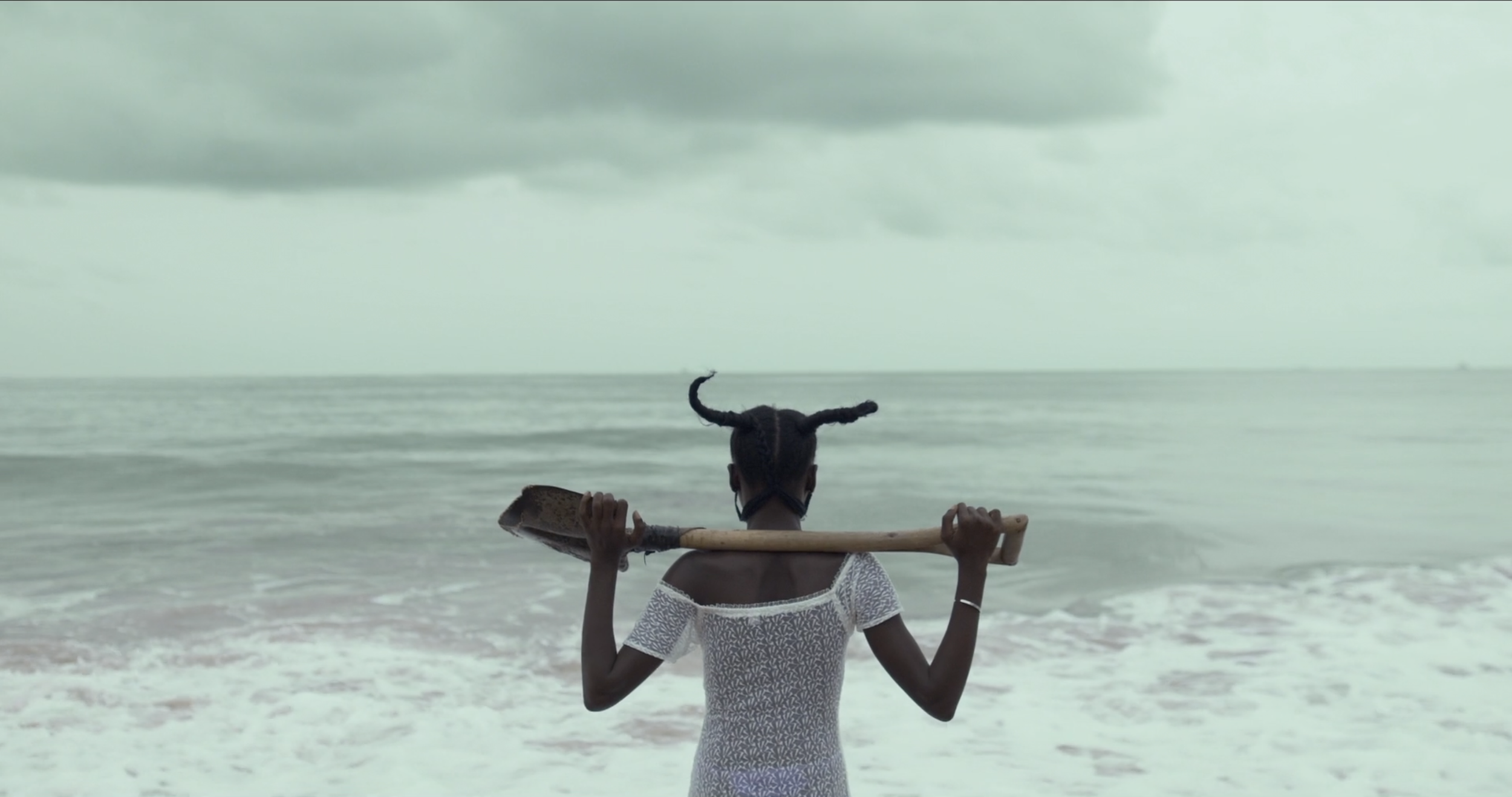
This desire gave roots to her latest short film ‘We Will Be Who We Are’, which introduces us to a lavender marriage between a young couple named Boi and Aya. In Sierra Leone, where being openly queer is not socially safe, such arrangements can offer protection. “They love each other deeply so it’s not deceit between them. If anything, they’re deceiving a society that already deceives them,” she explains. “That choice is not tragic. It’s radical. “It’s creative. It’s an act of living, not just surviving.”
“I wanted to celebrate the Freetown I know, the vibrant one that isn’t usually centred"
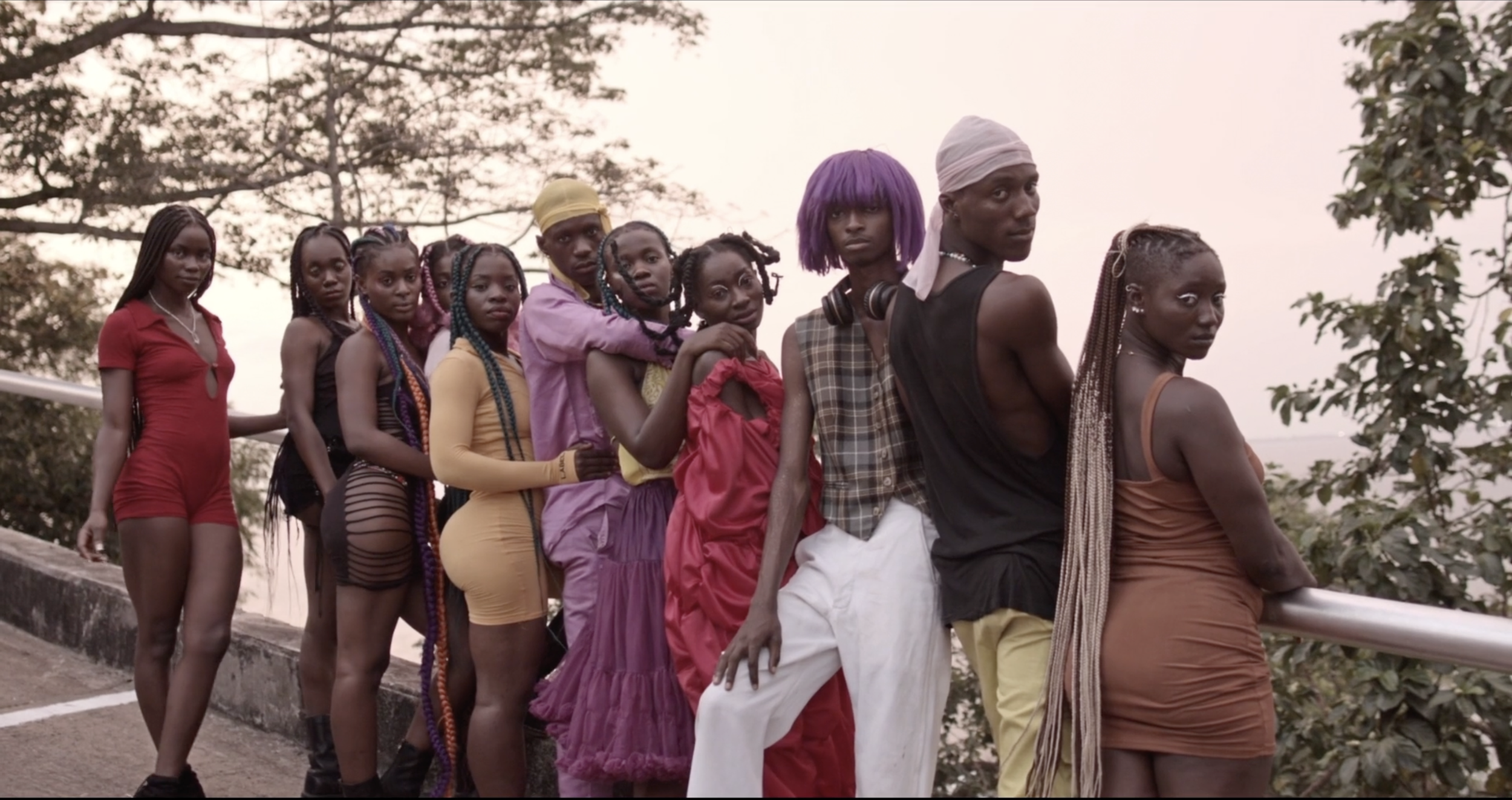
The film isn’t didactic. Its symbols are subtle. Purple, a quiet nod to lavender, is an unsaid thread throughout. Characters move in space like they’re carving out territory of their own making. And movement, particularly dance, becomes a language. Growing up in Iran, she remembers how sharply women’s bodies were policed. Dancing, singing, and even cycling could draw punishment. Later, living as a Black queer woman in other countries, she noticed similar scrutiny. Eyes that measure bodies and whispers about gender expression. “Dance is freedom,” she says simply. “It’s reclaiming the body. It’s joy.”
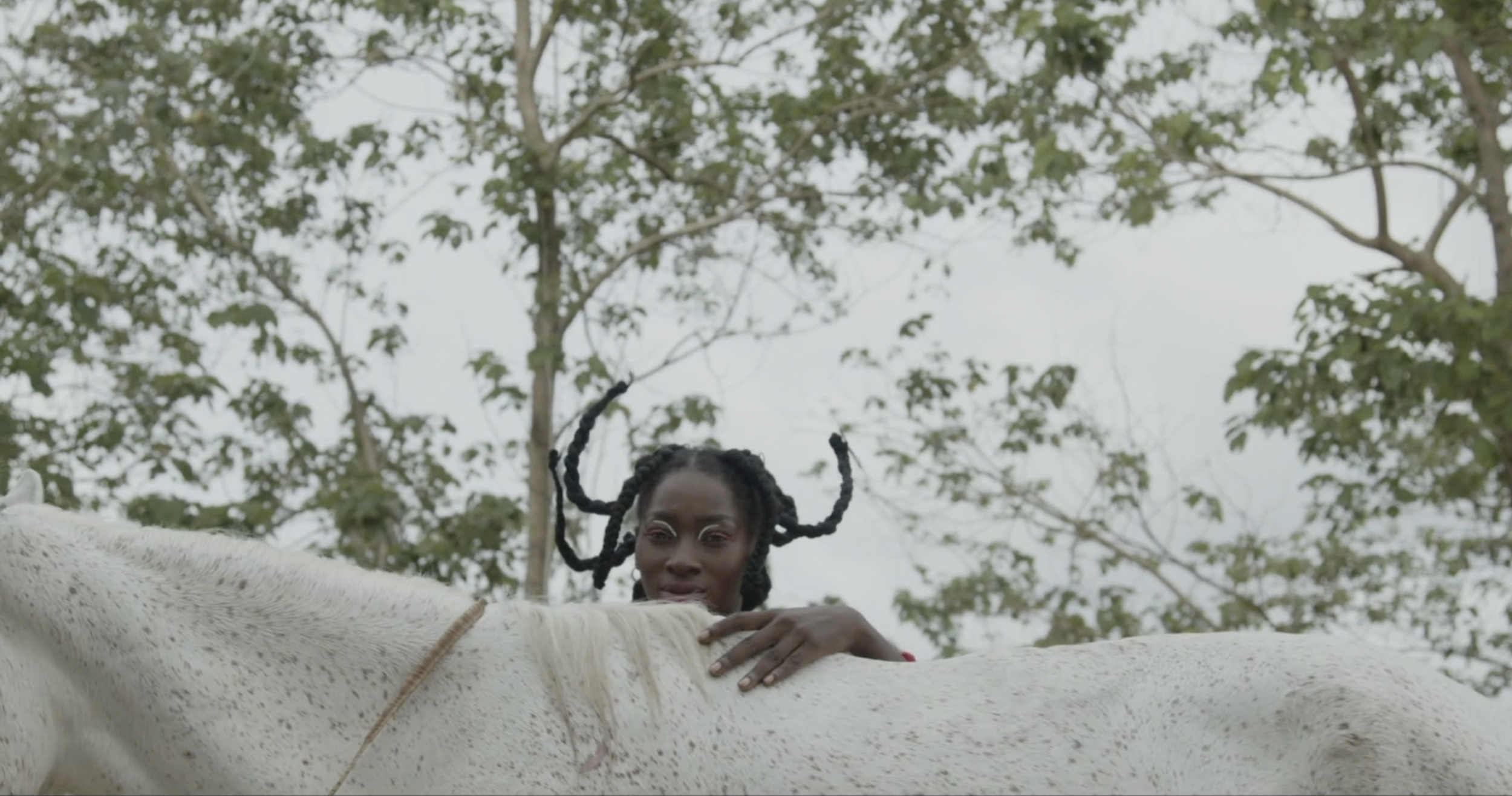
Hair fulfils a similar function in the film. Words are woven nto reality and turned back on the gaze that seeks to diminish them. “In one scene, Aya has ‘Free’ braided into her hair and in another scene, ‘Pussy’, reflecting how society reduces her, but she reclaims that narrative.” Hair becomes disruption: a refusal of polite erasure.
“Dance is freedom. It’s reclaiming the body. It’s joy."
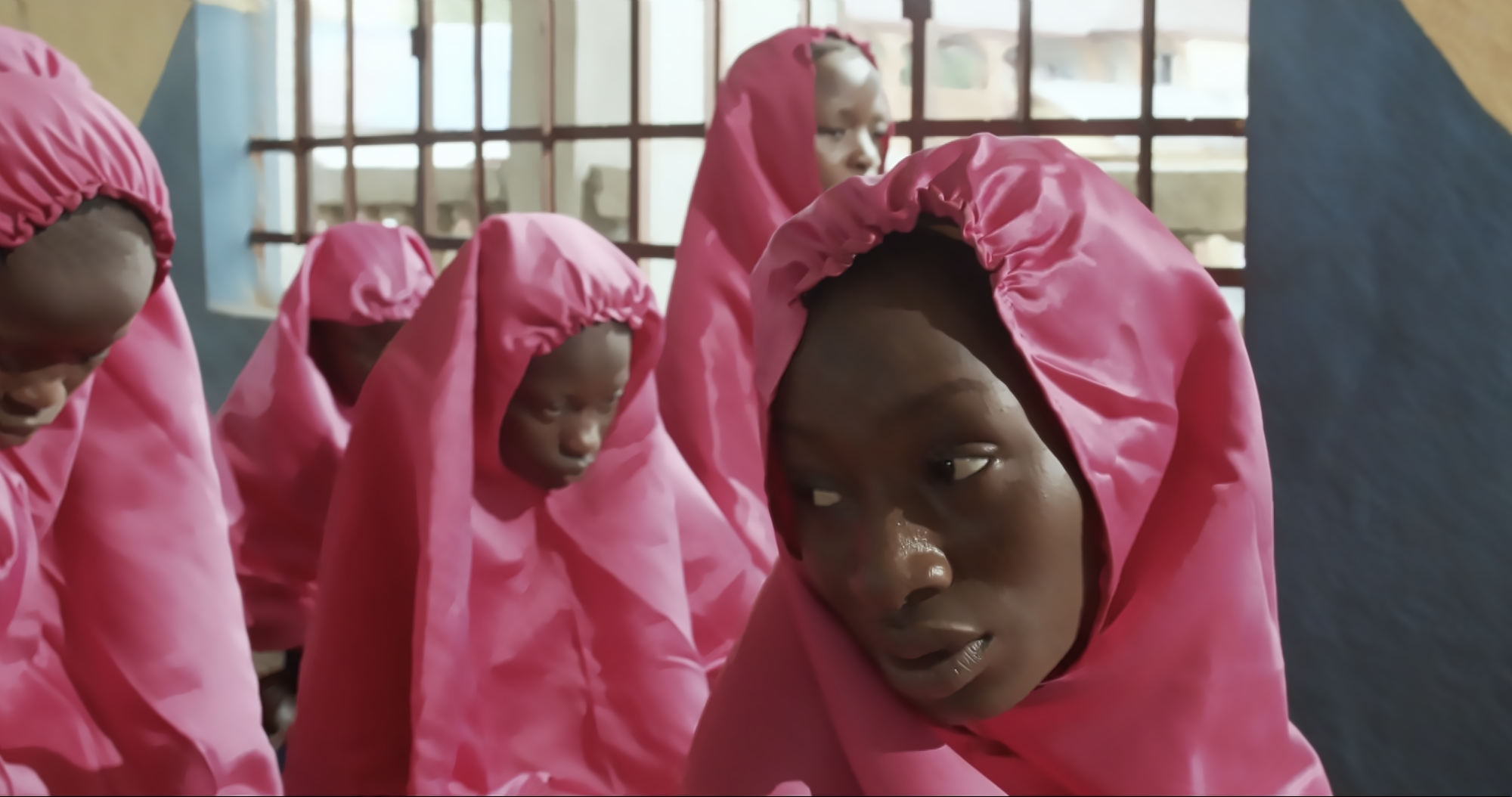
Celebration, however, does not blind tension. At one point in the narrative, Aya returns to religion and speaks to an Imam. It feels like a pullback into expectation. “Religion in society has a heavy hold on us. African, Middle Eastern, Western. It’s always there.” When Aya prays and turns her head to close the ritual, flashes of her fluid self again interrupt the stillness. The message isn’t that one force wins. It’s that both coexist.
Kounkou Hoveyda, a self-confessed “film school drop-out”, worked with a self-taught local crew to produce the film. In Sierra Leone, filmmaking is learned online, through experimentation, through trying and failing and trying again. “Being self-taught makes you more open,” she reflects. “You’re less bound by how things are ‘supposed’ to be done.” Of course, that freedom also comes with its own pressures with lack of infrastructure posing major challenges in the country. “Filmmakers do everything, they produce, fundraise, market, organise screenings,” she says. In addition, equipment is scarce and electricity is unreliable making every production decision a hurdle. “You spend energy solving problems that shouldn’t exist,” she says. “But these stories have to be told. We’ll always find solutions.”
All of this hard work is paying off. Her first lyrical short film ‘Where My Memory Began’ received critical acclaim at film festivals worldwide. And this, her second film, won Best Experimental at Aesthetica and was selected by Photo Vogue for its ‘Women by Women’ open call. Currently undertaking a PhD at Cape Town University with a focus on Blackness in Iran, she’s also a 2026 Berlinale film Talent and working on two new documentaries.
As for ‘We Will Be Who We Are’, Kounkou Hoveyda is confident that it continues to resonate as it reaches wider audiences. “I hope it pushes toward eliminating rigid moulds altogether. I hope it expands imaginaries of family, belonging, gender and expression,” she says: “At the end of the day, it’s about life. Bodies moving, colours shining and people being who they are with no apologies. That’s what I want to see on screen.”