
Greentea Peng, Mádé Kuti, Barrington Levy, Dare Balogun and more bring joy to a field in Wiltshire
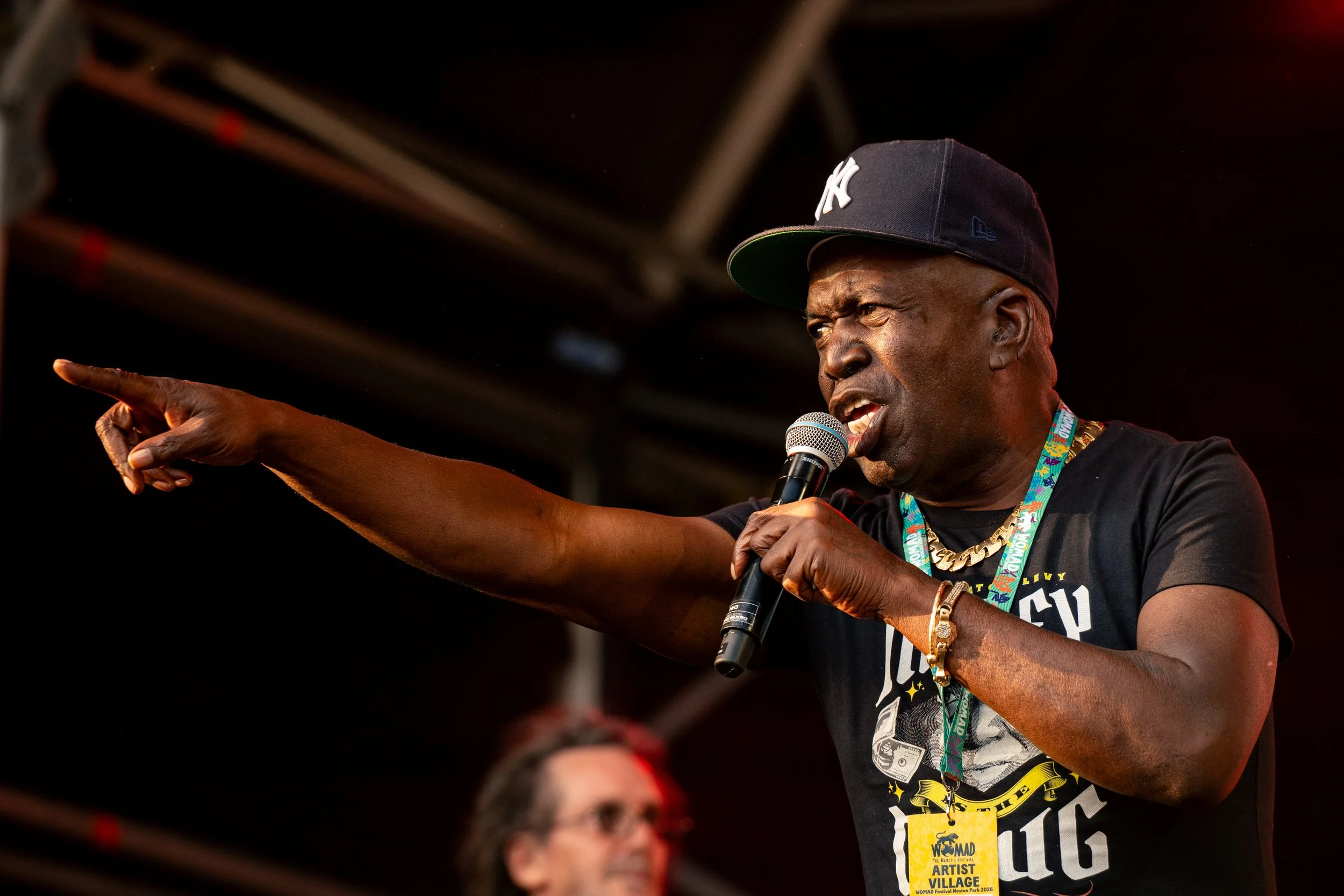
“Don’t invite me to your festival and tell me to get off the stage!” commands Barrington Levy towards the end of his bombastic Womad 2026 set. Also rightly reminding us that he’s “a living legend”, everyone’s favourite reggae master isn’t going to be rushed. And as the opening bars of ‘The Godfather’ ripple across the crowd and he explodes into ‘Murderer’, instant pandemonium lets loose. His voice still carries that unmistakable rasp, his smile remains mischievous and his timing as impeccable. "Don't need no cocaine to mess my brain," he declares before, seconds later, asking the audience if anyone has a spliff. One moment he's making us laugh, the next he's telling us that music should help people live positively. Few artists switch so effortlessly between preacher, philosopher and merrymaker. And watching him, we’re reminded that charisma doesn't age.
The same could be said of Peter Gabriel’s legendary festival, now over 45 years old and yet still a place where rules need not apply. Here you’re encouraged to wander. Get distracted. Follow the sound of a trumpet drifting across a field. Let curiosity, not the programme, decide your destiny. And after a fallow year and a move to its new home at Neston Park in Wiltshire, Womad hasn’t lost any of its magic. Instead, it has rediscovered it.
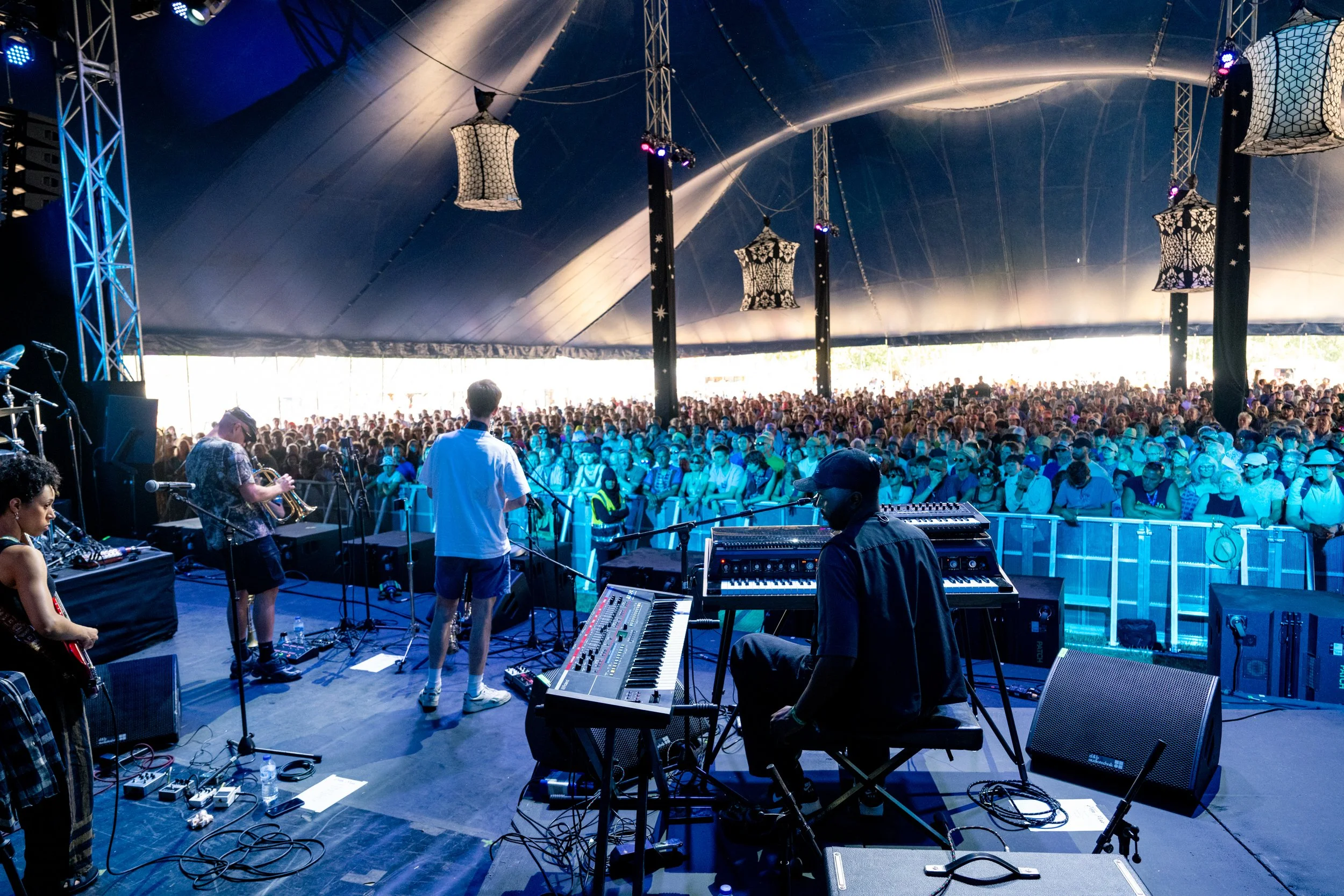
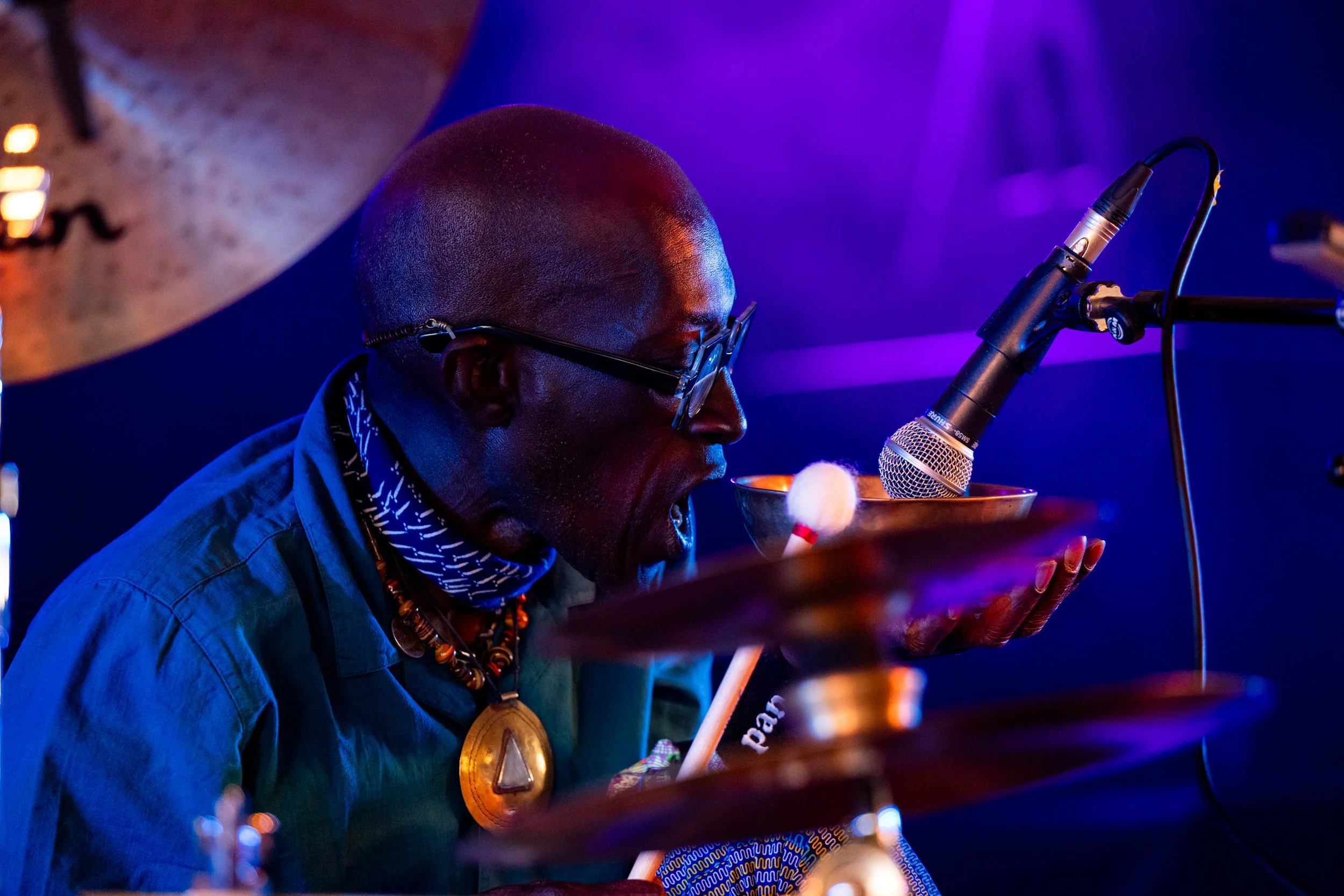
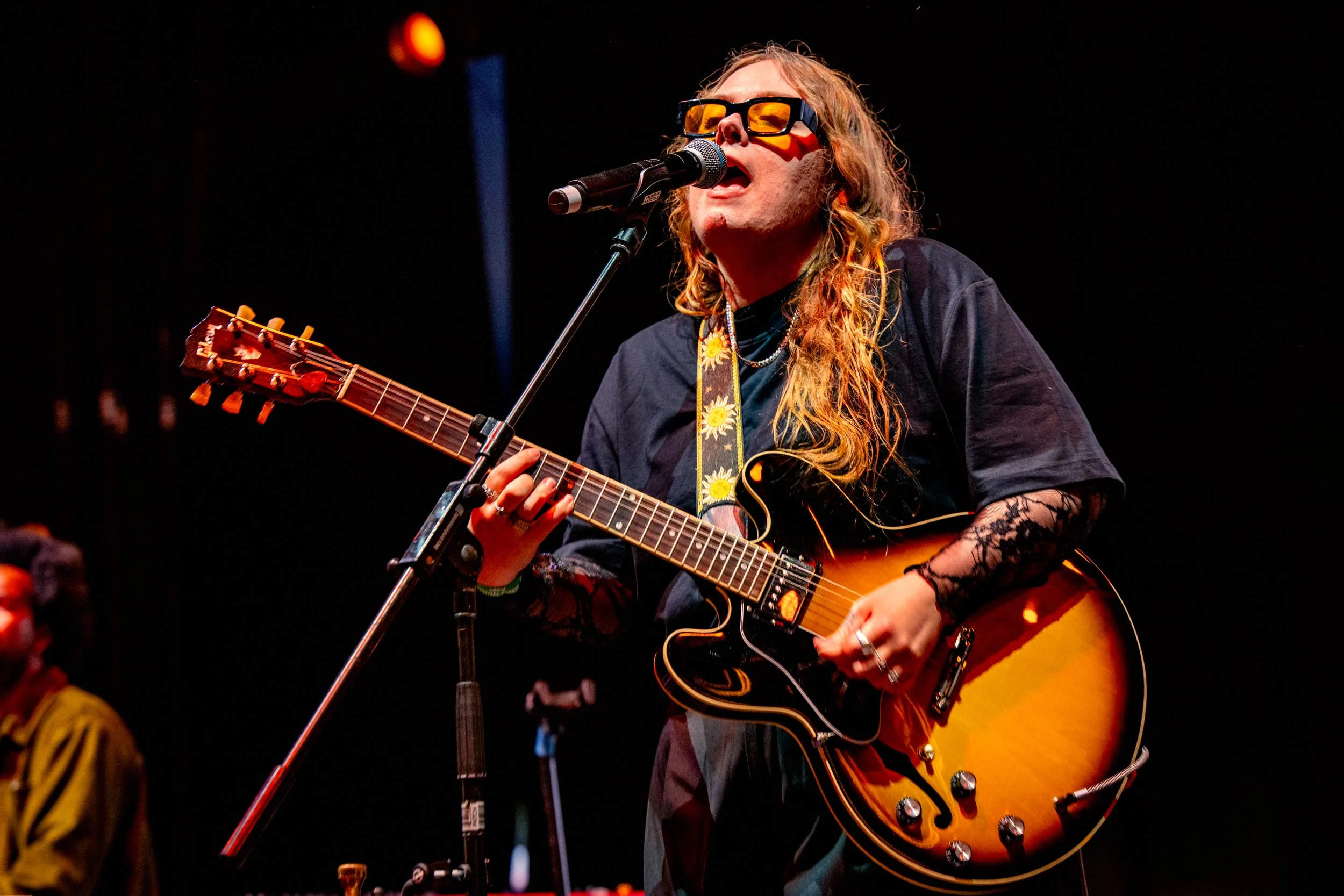
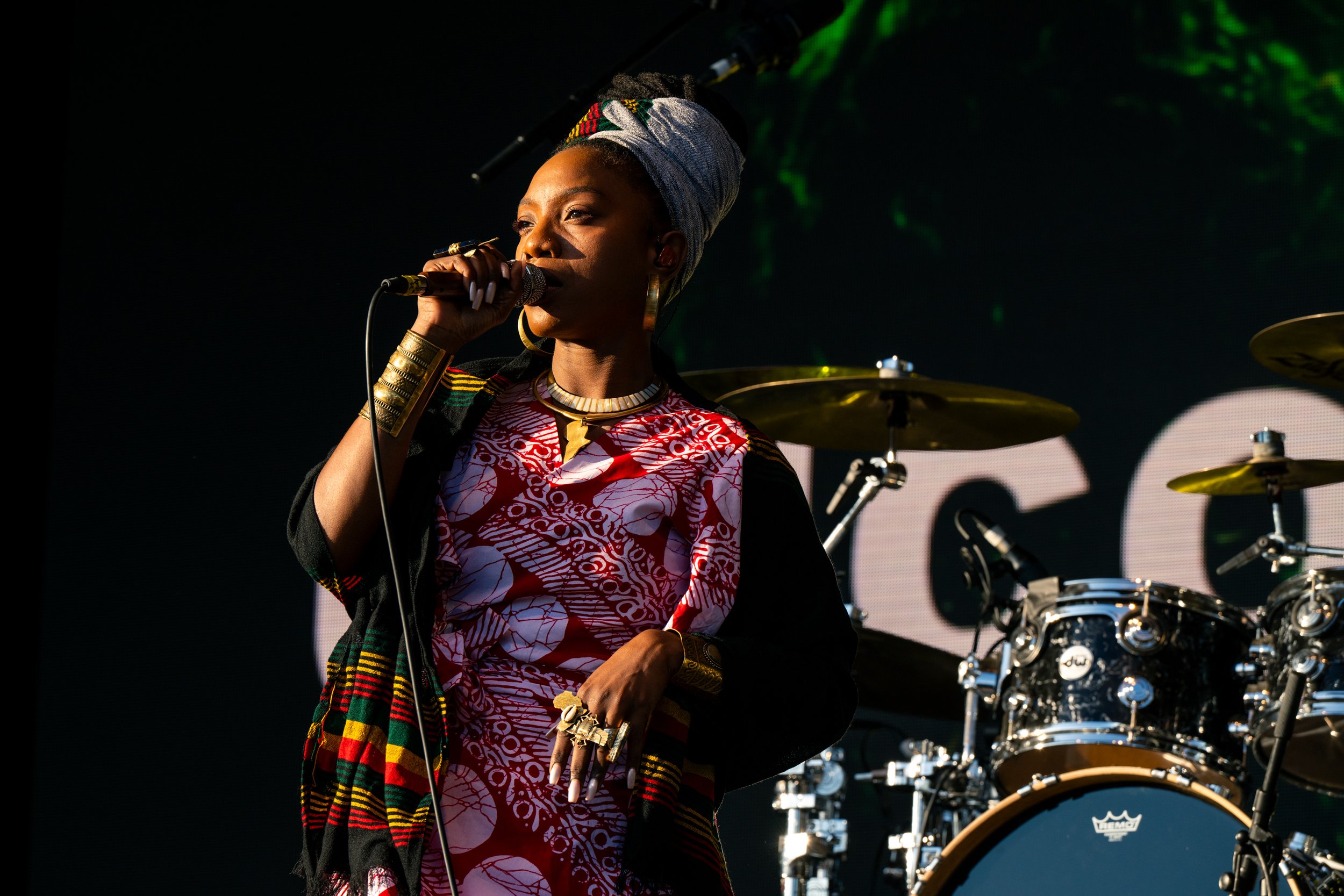
There’s an unmistakable sense of joy in the air throughout the weekend. Families sprawl across the grass as kids dart around the beautifully curated World of Children zone. Restful souls blanche themselves in hot tubs at the wellness spa. And drumming workshops blend into inspiring talks featuring the likes of Green Party leader Zack Polanski and The Lincoln Project’s Rick Wilson, who passionately deconstructs the MAGA-sphere. And that is its quiet rebellion. In an age where algorithms serve us more of what we already know, Womad still believes in surprise.
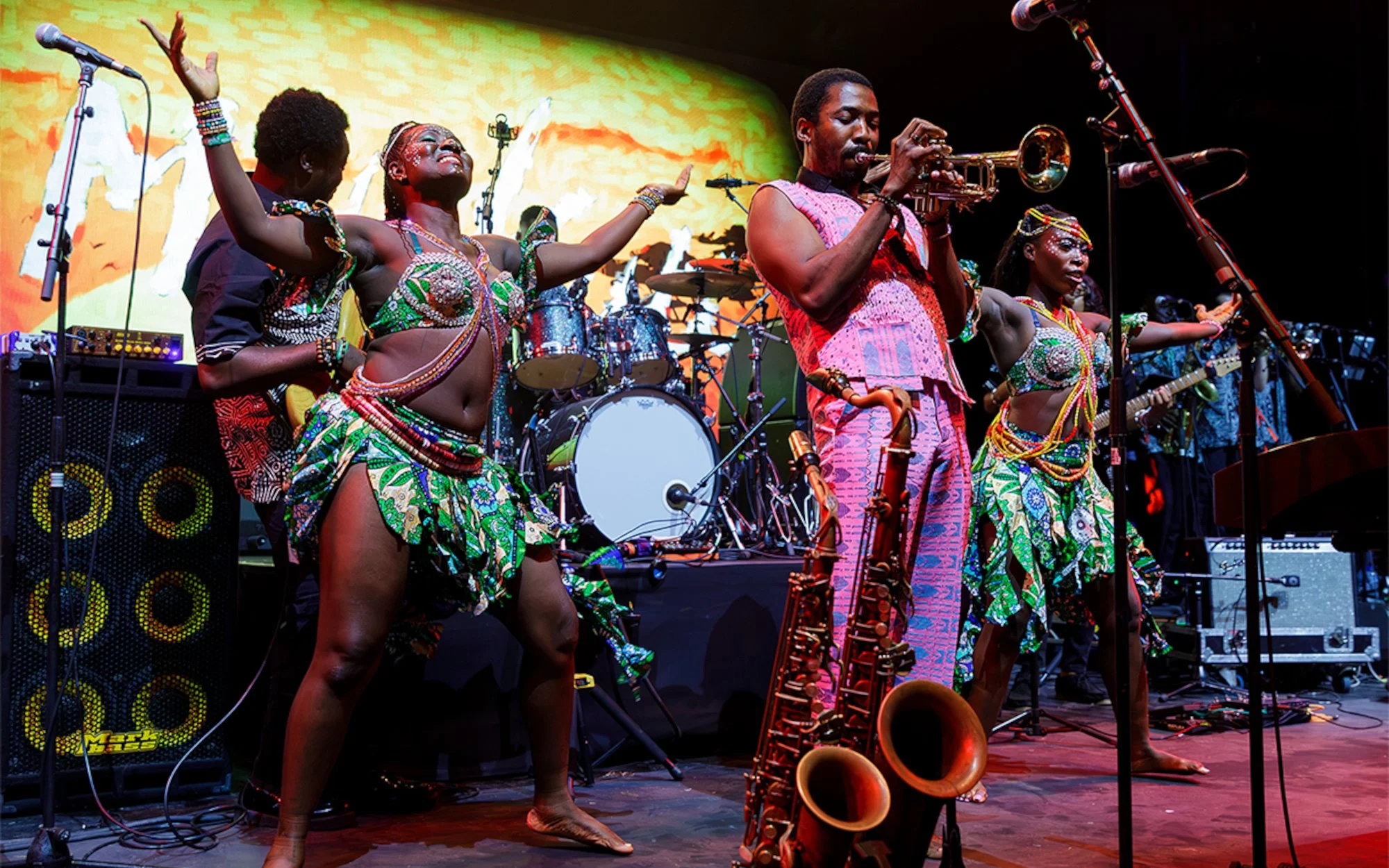
If Barrington Levy’s performance represented history, Mádé' Kuti’s embodied inheritance. Introduced as the grandson of Fela and son of Femi (with whom he’s played Womad before), he walks on stage not facing the audience, but his band , The Movement. Trumpet raised, back turned, he conducts them into life before turning to acknowledge the crowd. Then the drums arrive. Impossibly tight. Brass bursts from every direction. Dancers flood the stage. Within minutes, rural England has disappeared. In its place stands Lagos. "It is Nigeria," Kuti declares. "It is afrobeat."
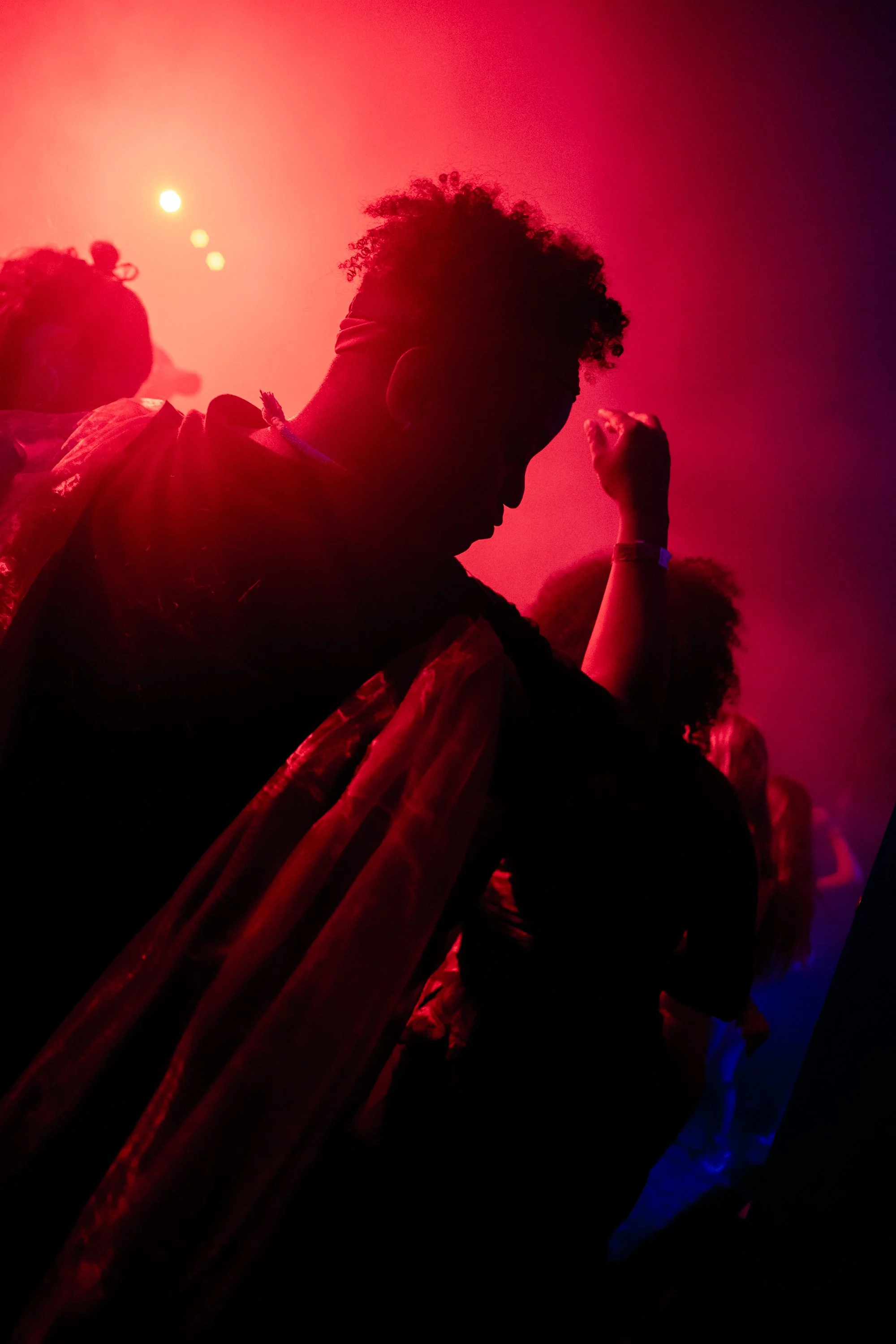
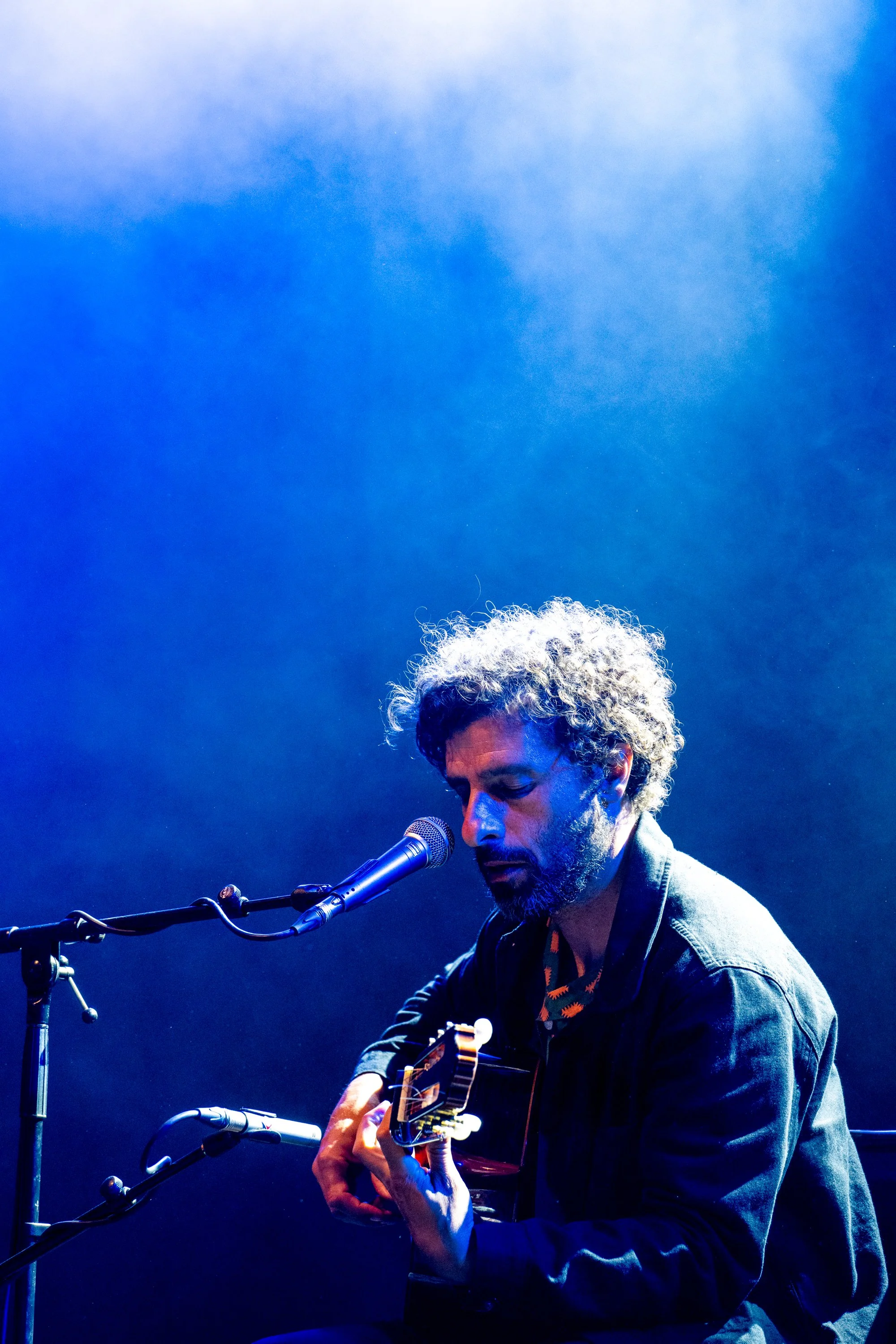
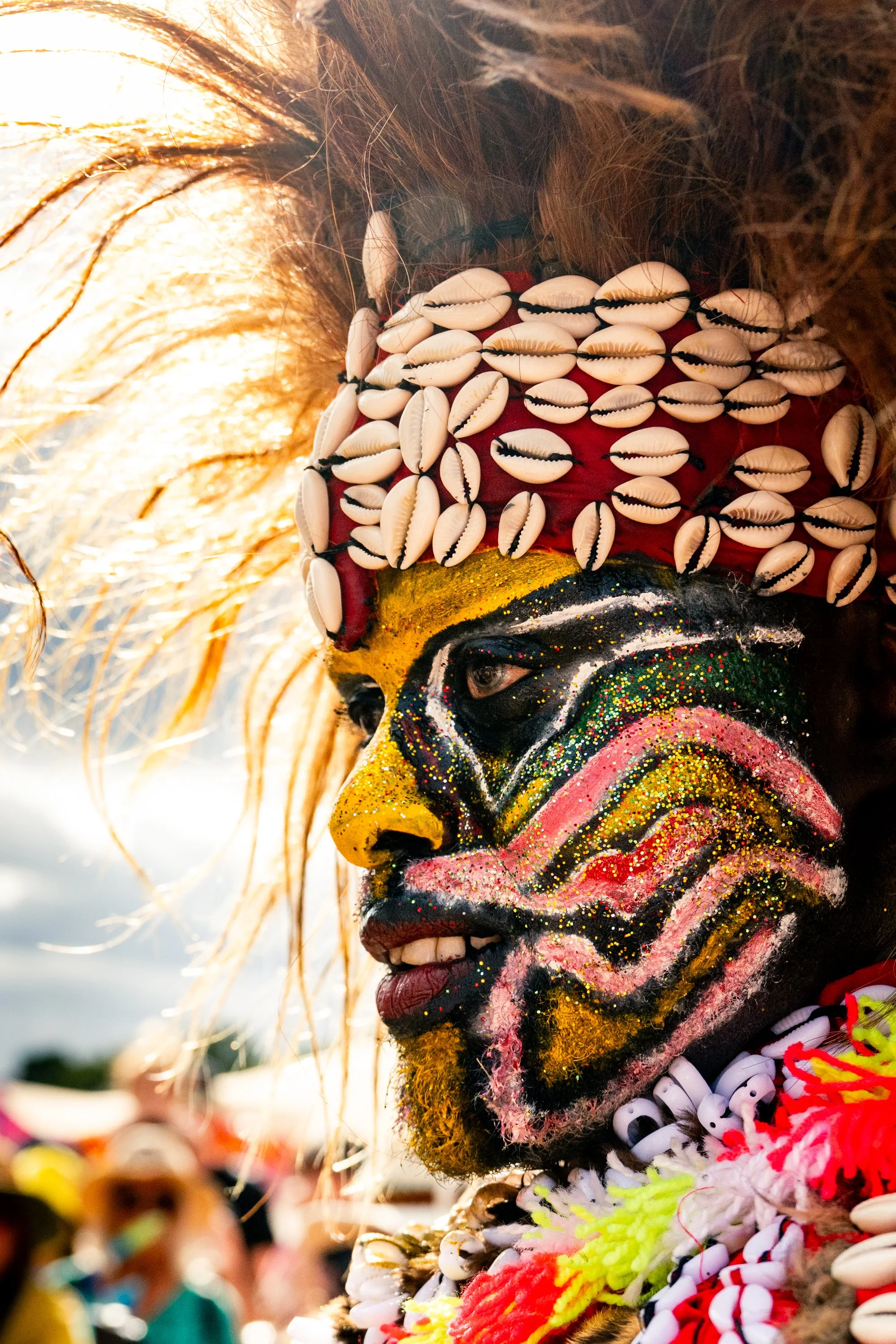
For the next hour, that's exactly where we are. His musicianship is breathtaking. Singer. Trumpeter. Saxophonist. Dancer. Conductor. Bandleader. Yet what impresses most isn't his virtuosity but his restraint. Unlike his famously flamboyant father, Mádé's authority comes from the music itself. His showmanship comes directly from talent. And his strength from speaking truth to power, such as on the song ‘Many Crimes’, which lists the names of children who have been kidnapped in Nigeria in the past three years. Afrobeat is reloaded but still at its finest.
Keeping us in Nigeria is Dare Balogun who walks onto the NTS Radio takeover stage (the festival’s main spot for late night revellers) carrying a shopping bag straining at the seams with original vinyl. He proceeds to leisurely take us on a vintage journey from the Niger Delta and out across the African continent via palm wine, highlife, soukous, juju, makossa and much more. The selector’s sets begin with research rather than trends. A forgotten record label. A musician. A city. A chance discovery. So instead of seamless mixing, we’re given passion, knowledge and joy. We’re given extraordinary, almost lost music by artists who reassure us that there’s still some things in life worth feeling hopeful for.
An equally captivating universe is created by Friday’s headliner Greentea Peng. Flutes drift through thick basslines. Dub collides with jazz. Psychedelic soul dissolved into hazy R&B. Her music feels simultaneously dreamy, rootsy and intergalactic. And after a surprise all-female brass section take to the stage, tracks like ‘Raw’ have never sounded so good. Yet midway through the set she still stops to dedicate a moment to the people facing suffering in Palestine, Congo and elsewhere around the world. "I'm not articulate enough..." she says, struggling to put her pain into words. So, instead she communicates through song and we hear her loud and clear.
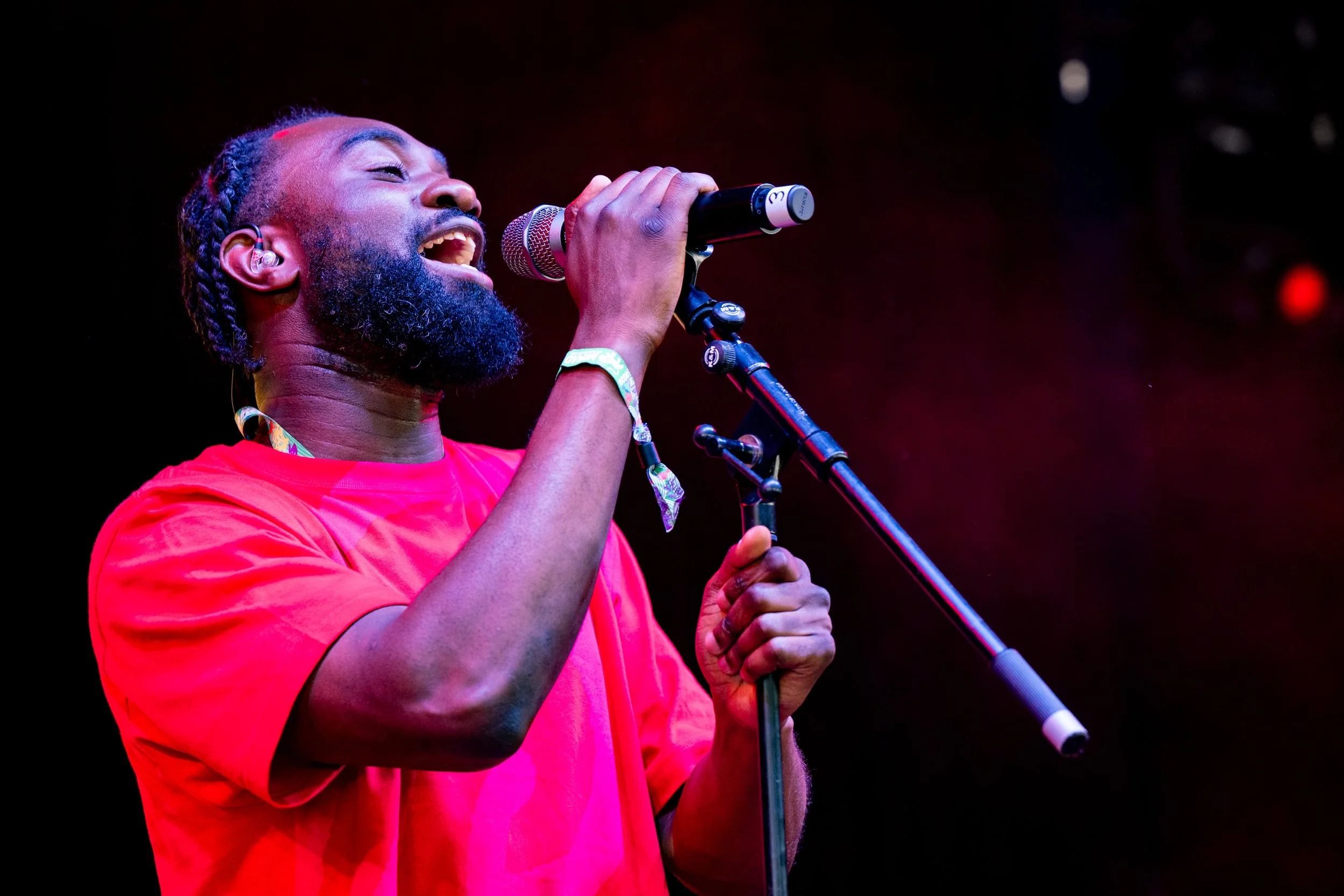
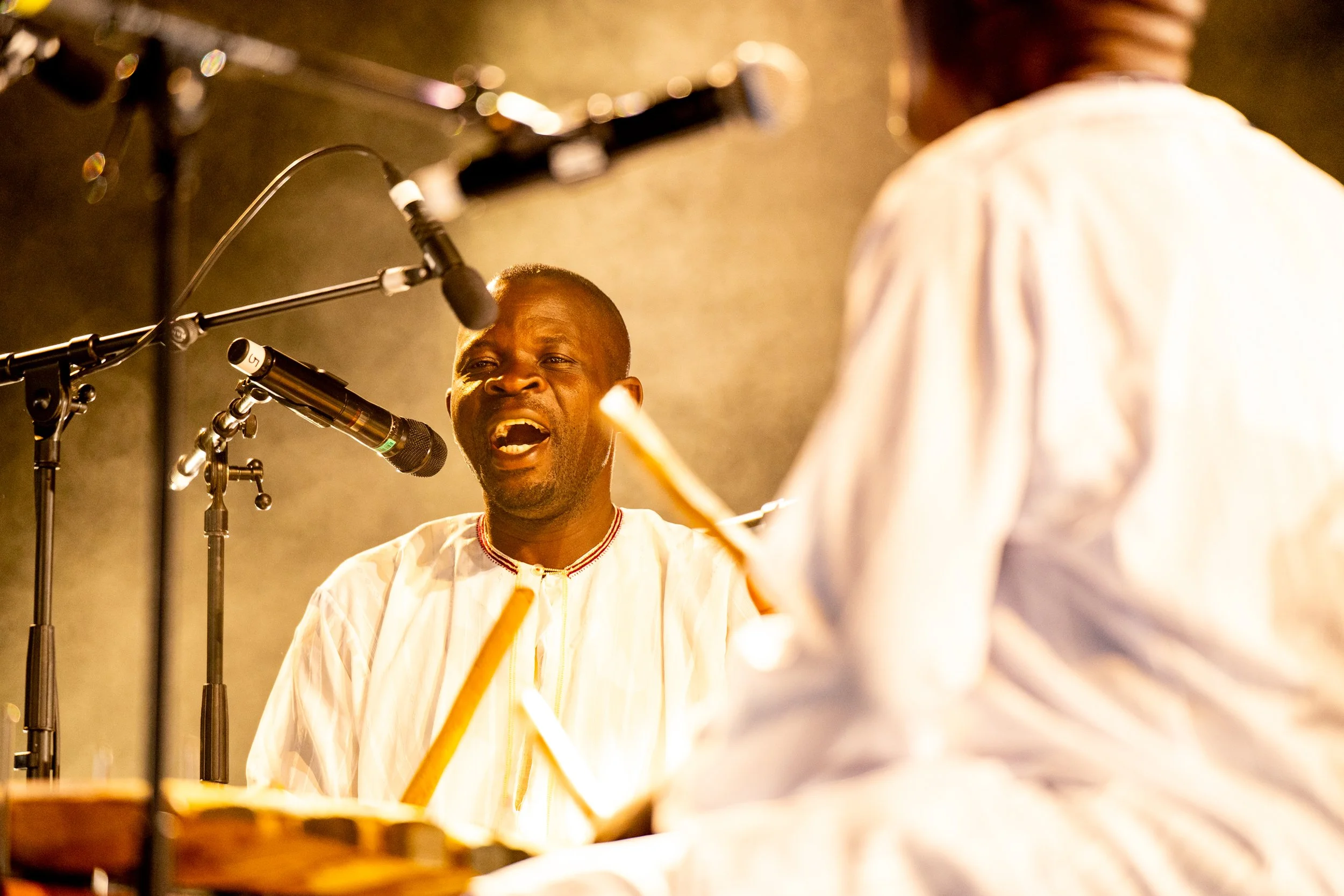
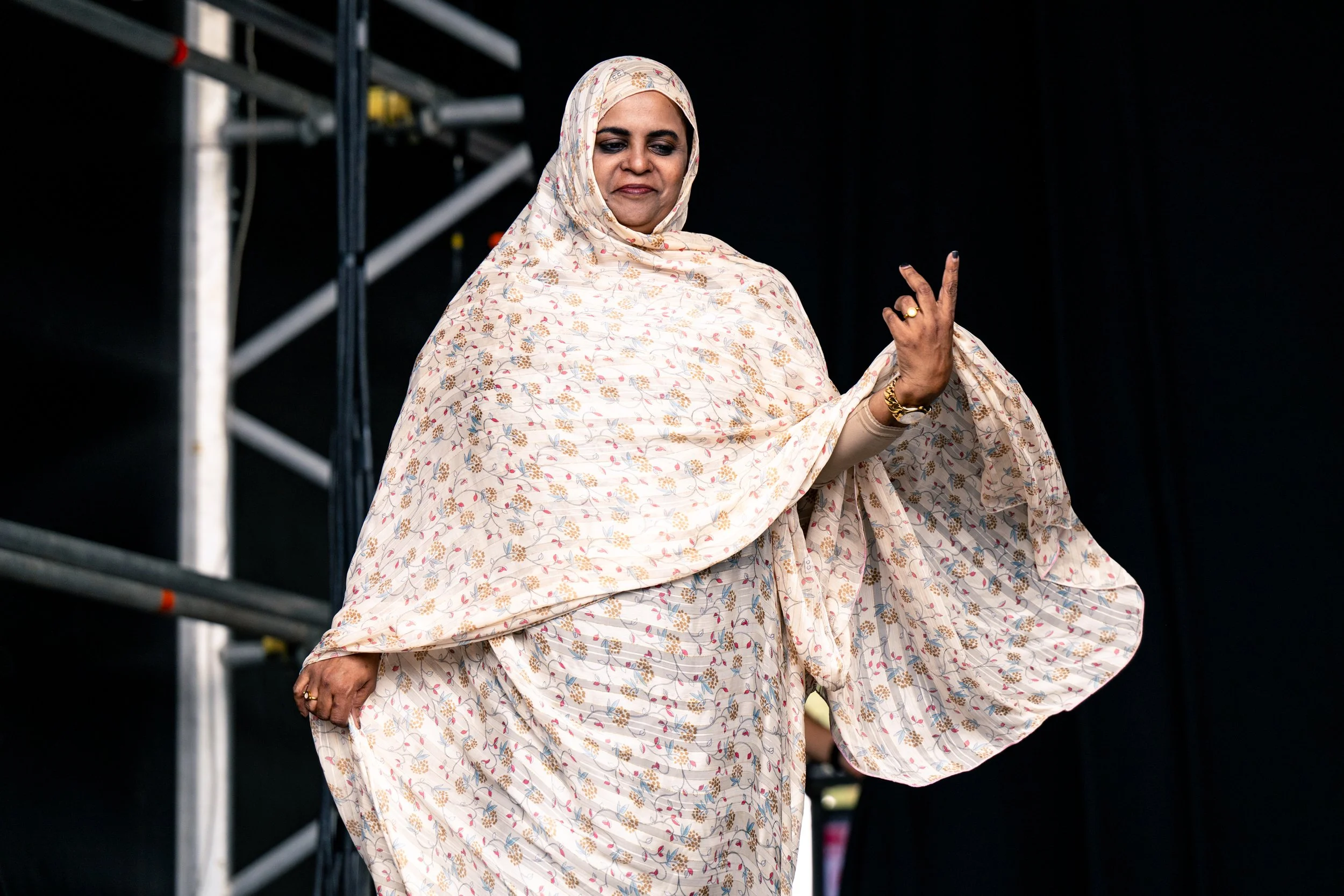
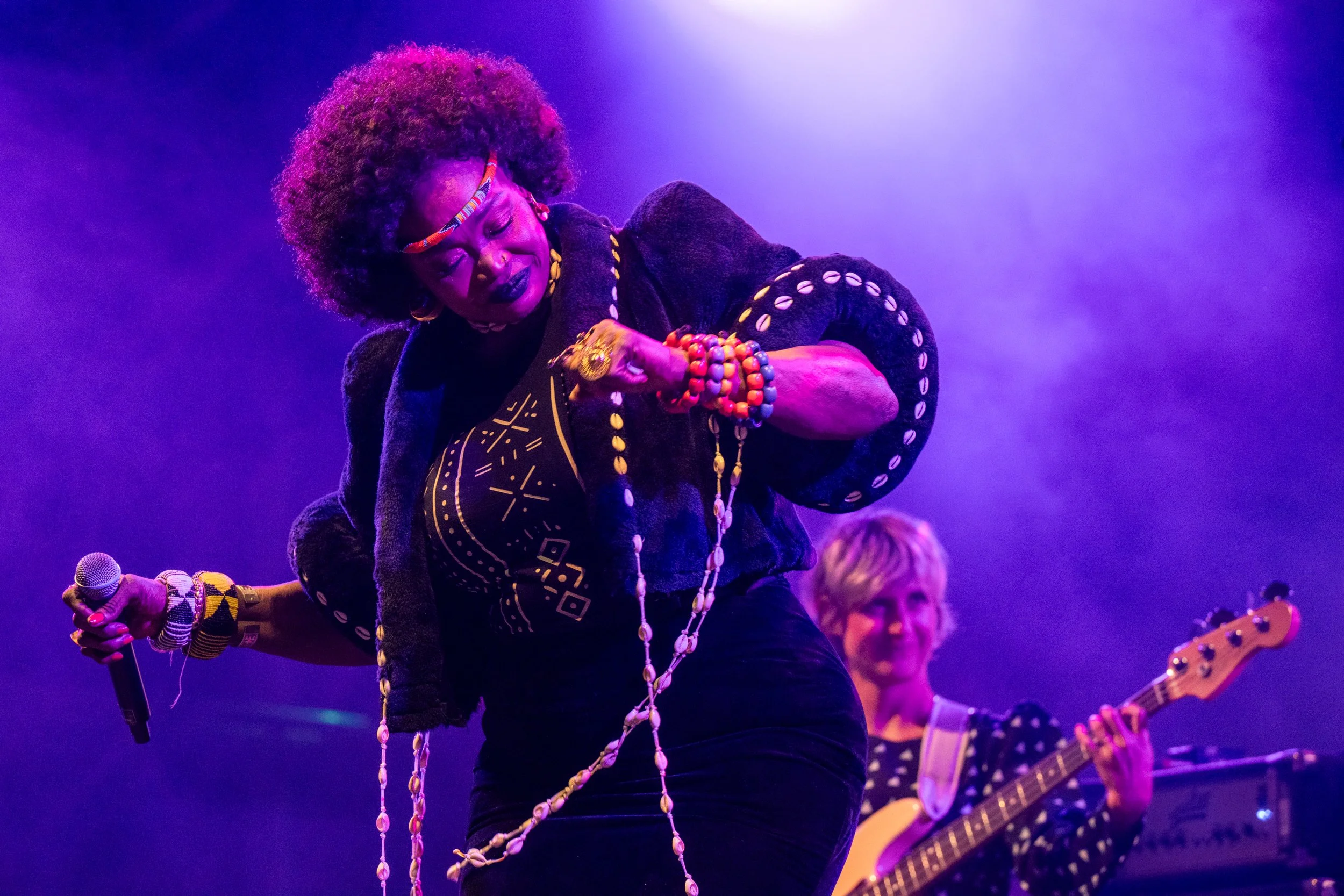
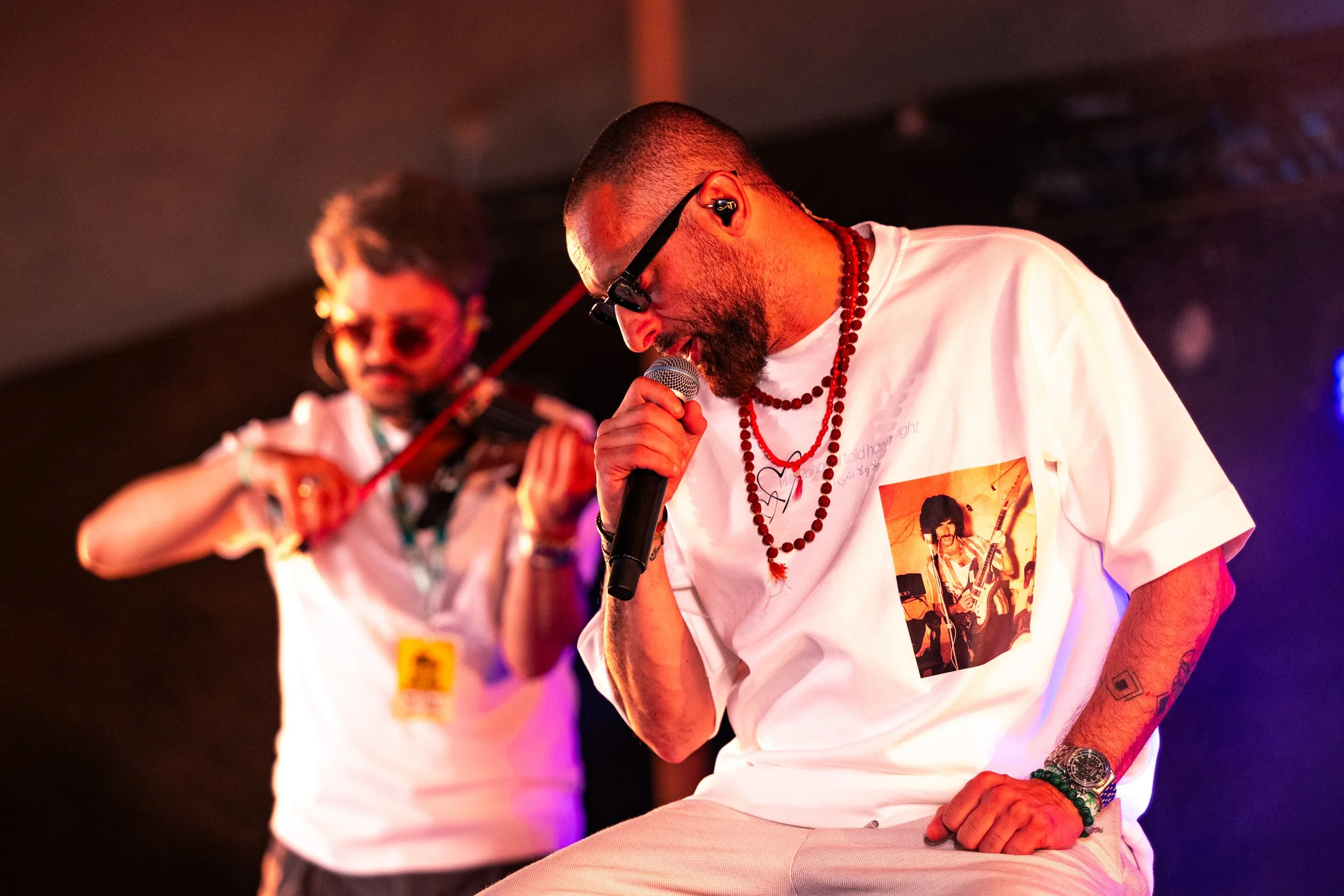
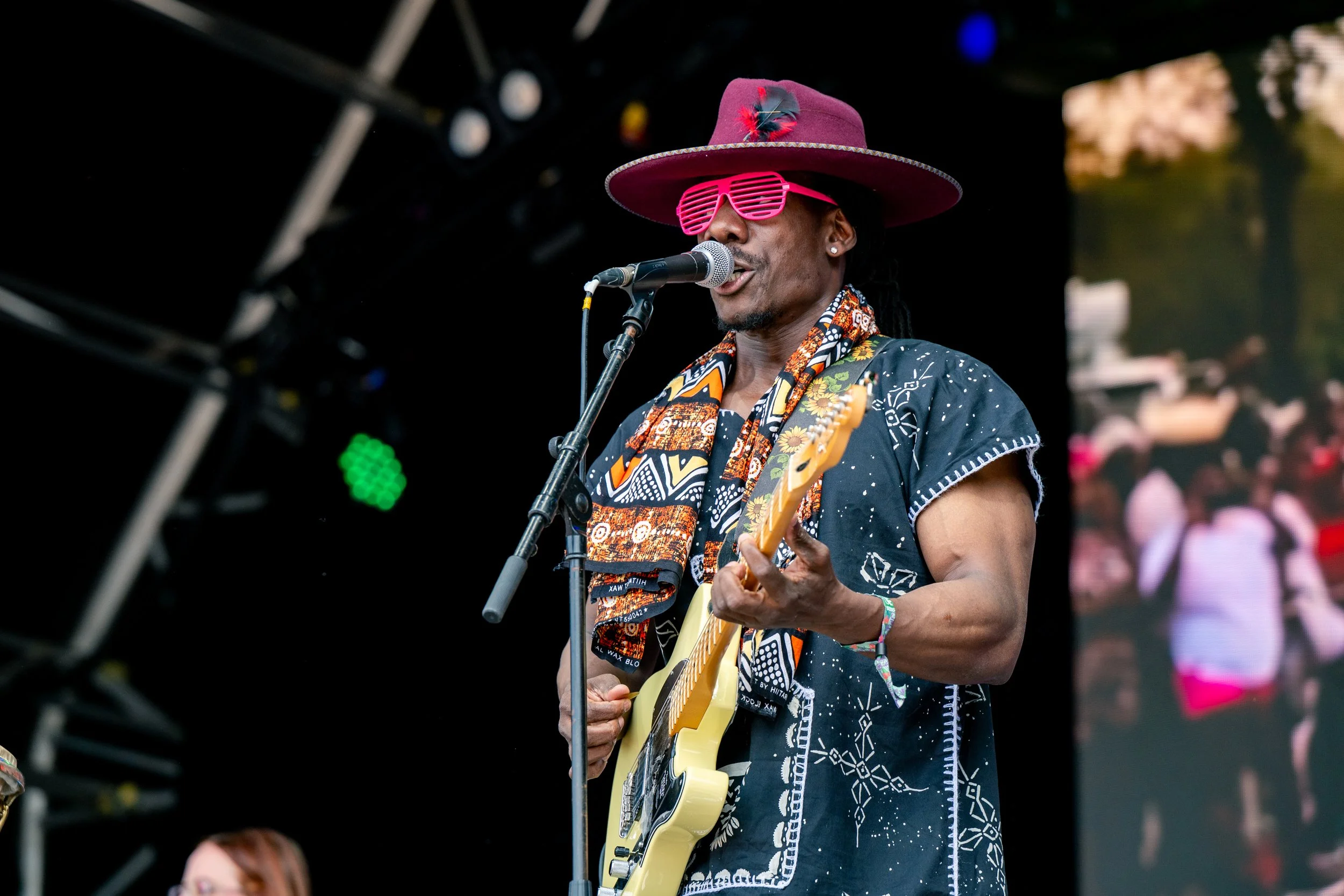
Throughout the weekend, delights are discovered at every turn as 460 performers from 38 countries shared their wisdoms. One minute we’re standing mesmerised by the soaring, guttural beauty of Mauritanian singer Noura Mint Seymali. The next we’re dancing carnival-style to Mixanteña de Santa Cecilia's glorious brass band. Benin International Musical bring soaring harmonies, hypnotic percussion and songs steeped in tradition. The emotional pull is undeniable as their music born from resilience finds space for elation. Alfa Mist wraps warm Rhodes chords around exquisite trumpet solos and jazz harmonies so rich they practically melt in the sunshine. Emma-Jean Thackray proves that virtuosity and groove are perfect partners. Tunisian DJ Cheb Mimo’s set twists from multi-tonal SWANA pop through to 90s dance classics. And Mali’s Oumou Sangaré rounds out Sunday with a show befitting of her true icon status.
But by far our silliest moment comes from Shanghai Restoration Project who delight the crowd with their cute travel stories and wonky dance routines. Barcelona-based (by way of NYC) Chinese-American duo Dave Liang and Sun Yunfan and Soweto-based (by way of Lesotho) rapper Tebze Majaivana draw on costume and chaos to make us all smile. Their glimmering set feels exactly like Womad itself, an ecstatic collision of places, histories and ideas. And that’s why this festival is so necessary. Nobody here is interested in flattening cultures into neat categories or convenient playlists. We are transported to Lagos, Kingston, Nouakchott, São Paulo, Shanghai and London, blowing apart glib notions of ‘world music’ in the process. And as we head home, after three days spent wandering through rhythms from every corner of the globe, we’re not left humming just one song. We leave listening differently.
CONVERSATIONS AT WOMAD
Mádé Kuti
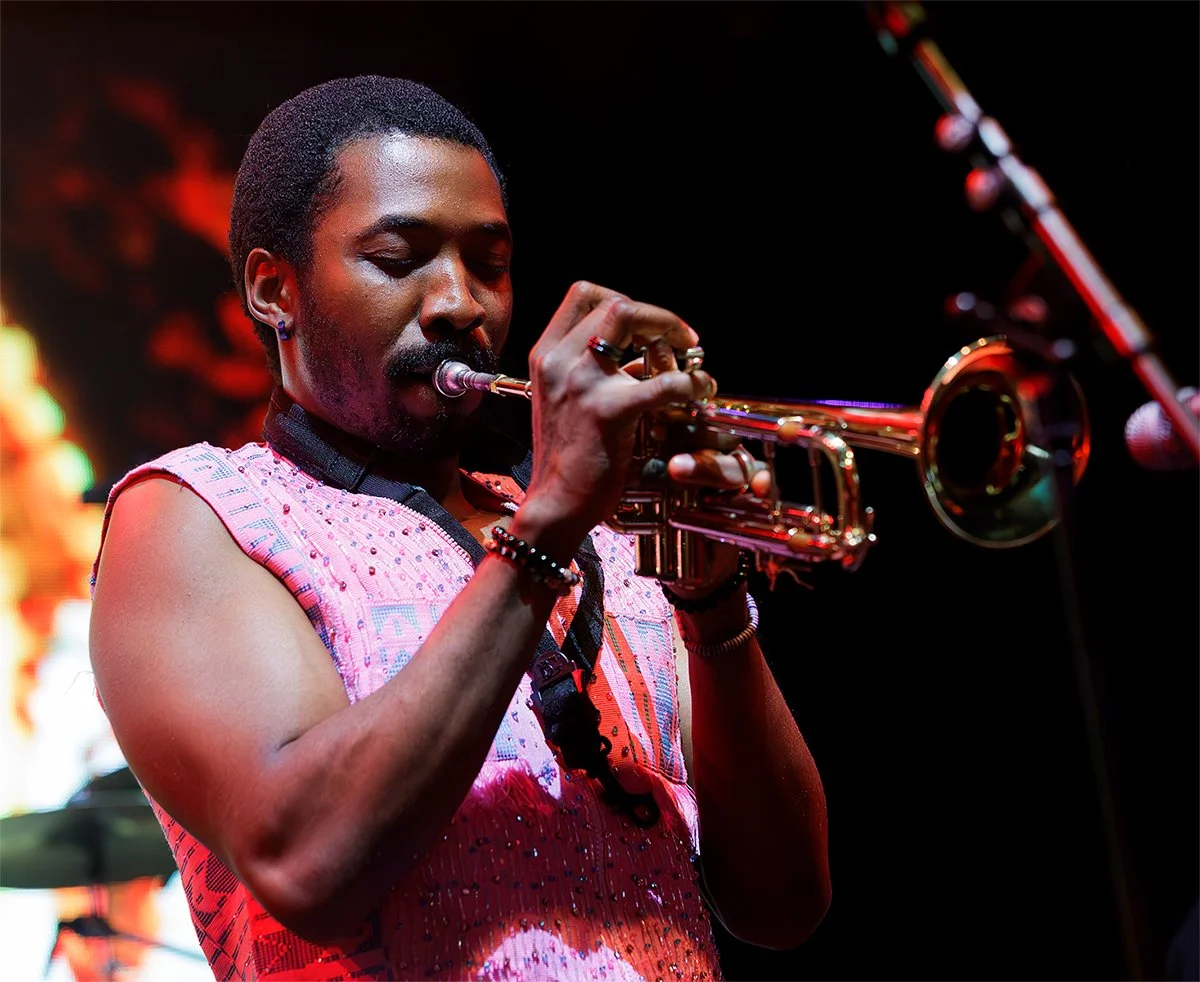
Mádé Kuti WOMAD 2026
The Lagos son on following in the footsteps of Femi Kuti while singing to his own tune.
This isn’t your first Womad.
No. I played here a few years ago as part of my father’s band. I think I was on the sax, so coming back now with my band is a full circle moment. Womad is a legendary festival with a level of professionalism that only comes from the unity of like-minded people, so that really moves me. It’s just a wonderful collective of people to be part of.
What was it like to grow up in the New Afrika Shrine?
I used to wake up for school on Friday mornings and still catch my father on stage from Thursday night – that’s when he’d play for seven hours straight, four times a week. It was strange because at school it was very strict in terms of rules I had to oblige. Then I’d step into The Shrine, which was a liberating space where I could be conscious of how I wanted to think about myself, my family, the music. It’s also somewhere that brings you back to reality. Once you’re inside everyone is equal regardless of your class or how much money you have, and that’s what makes it so special.
“Womad’s level of professionalism comes from the unity of like-minded people" Mádé Kuti
Was music your destiny?
I always think it could have gone one of two ways. Either you’re inspired by everything happening around you or completely put off. Thankfully it was the former for me. Going on the road with my father, to festivals like Glastonbury, being in the studio and seeing his creative process, then seeing how people react to the final product, is how I got hooked.
How have you handled the pressure of succession?
I’ve had more leeway than my father did. He had to deal with a lot of negativity around Lagos because he decided to pursue his independent career while Fela was still alive. So that created a clash of heads. But he proved to the industry that he could be an afrobeat musician while not being a replica of Fela. So that has given me almost complete freedom to do and pursue Afrobeat how I choose. You have to pay tribute, but you have to make it your own. So, on the first album, I chose to play every single instrument myself. For the second I’ve worked with my band, The Movement. And next one will be something different.
Your last album was called, ‘Where does happiness come from?’ What’s your answer?
At the time I was writing the album, I thought the answer was really from the self, from understanding who you are. But now I think it's more from connection, from people and community. I'm happiest with my wife and with my family around me. We all live in one compound of homes with my aunt and father and every Thursday we meet and talk and those are the most important moments.
Dare Balogun
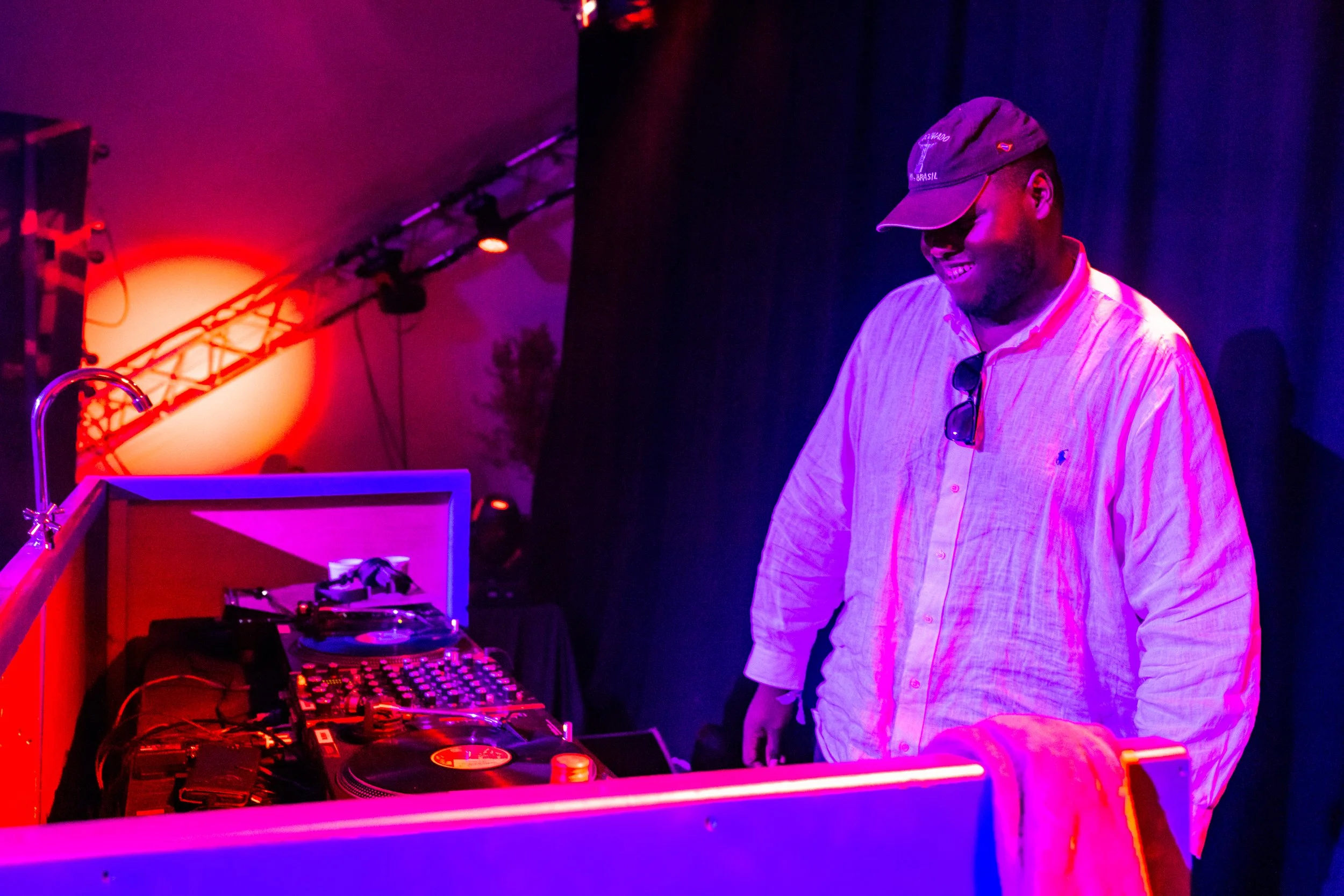
Dare Balogun
The British-Nigerian DJ, selector and archivist on music as therapy.
Your Instagram bio reads ‘palm wine music specialist’. Discuss.
There’s an album by S.E. Rogie, an artist from Sierra Leone, and on the cover, he calls himself the international palm wine music specialist. He was someone who pushed a sound that has influenced a lot of what I play – high life, soukous, makossa – so palm wine is a good capture of it.
We read that your journey changed direction in a Nairobi record shop.
Yeah. I was travelling across Africa for work so I’d seen a lot of places but nothing like this. It was a record shop in the middle of a market next to stalls selling things like meat, and the guy in there was just so knowledgeable. I stayed for four hours and he really showed me the value of my own music. It made me think, if he’s taking this music so seriously, then why shouldn’t I? At that time, I was predominantly playing electronic music, which I love. But it was time to rewind and truly commit to sounds from where I’m from. And since then, it’s become a lot more intentional and research-driven.
“The music I play is therapy. It has changed my outlook on life. It gives me hope" Dare Balogun
What do you want to give people from your sets?
Archiving is important. It’s personal to me and it’s making sure that this music continues to live. But at the end of the day, music is therapy, and this music has changed my outlook on life. I'm a lot more optimistic, I'm believing more in myself and in other people. For example, in high life you hear the idea of being content with what you have, and that speaks to having a more balanced mindset. So, I hope that when people hear me play it, they’ll go home and listen more, and incorporate the mentality that's embedded in this music. Especially now, in these fractured times, it’s even more reason to have hope and purpose.
What are you playing at Womad?
It’s the dancefloor stuff and the fun stuff. It’s the same bag of records I’ve been playing for a couple of months because I want people to recognise them and build that awareness. The biggest banger is a Wazuri Oshoma record that is just so dramatic and hypnotic and shotgun, you know.
What is your take on the contemporary music scene in Lagos?
It’s exciting. A lot of artists have that pressure to be commercially successful, which means they’re not necessarily making the most true music. But they’re entertaining people closest to them who need that form of escapism the most. Then there’s underground rap and electronic music and artists taking traditional styles and making indie pop, so there’s a diversity of genres, which is very freeing. At the same time, I still wish more played the old sounds so people could find the connections and the roots between music.
Greentea Peng
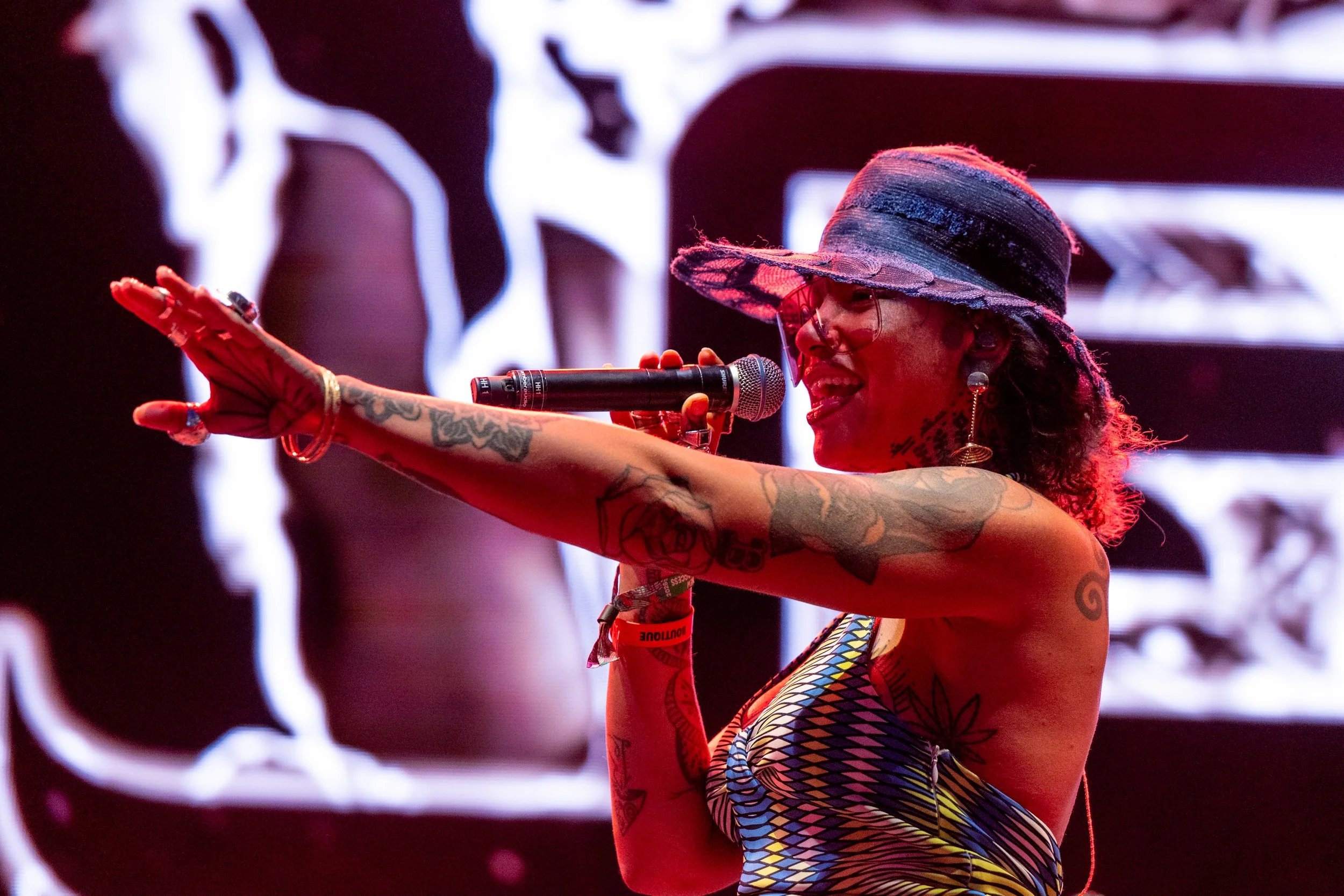
Greentea Peng
The London via Lisbon chanteuse on finding quiet in the chaos.
Tell us about your Womad show.
It was daunting going on after Barrington Levy but it was nice, man. We came out with a brass section, which was a last-minute decision so we only rehearsed the night before. That meant we could perform a couple songs we’ve hardly ever played live before, which felt epic. The struggle is fitting all the music into a one-hour set because we have so much now. I need one of those Aba Shanti six-hour slots!
How has the Womad experience been for you?
I’m here with my kid, my mum and my sister. We’re making a little family weekend of it. My daughter is nearly four and this is first festival. She’s loving it, even though she actually fell asleep during my show. So, we might make this a little annual tradition.
You took a moment during your set to speak up for those living in conflict around the world.
It can feel a bit performative but at the same time, I would feel like a hypocrite if I didn’t reflect on how I'm honestly feeling, which is in a state of like moral injury.
What’s next for you?
I’m dropping a seven-inch before the end of summer, because I can’t go a year without putting out music and I hate leaving songs behind. I have an Australian tour in November and then next year I’m going to take some time off to learn to play the bass and make a record. I feel like I’ve been on tour since 2018 so I’m neglecting my spiritual development. But life is a balancing act and I’m grateful. It’s about curating my life in a way that I'm kind of just following the sun and soil.